The Prodigy of Salzburg: The Dawn of a Musical Legend
Wolfgang Amadeus Mozart stands as an undisputed titan amongst composers of the Classical era, a figure whose legacy continues to resonate through centuries of musical innovation. Born in Salzburg, Austria, on 27 January 1756, within a city steeped in Habsburg tradition and burgeoning artistic patronage, Mozart’s extraordinary talent emerged from infancy, captivating audiences with performances that defied his tender years. His father, Leopold Mozart, recognized his son's prodigious abilities early on, meticulously crafting a curriculum designed to hone his skills and nurture his innate musical genius. This upbringing instilled in Mozart not only technical mastery but also an unwavering dedication to artistic excellence—a characteristic that would define his entire life’s work.
His musical journey began with a whirlwind of performances across Europe, showcasing an unparalleled virtuosity on the keyboard and violin. He captivated royalty and nobility alike, earning acclaim for compositions that demonstrated an astonishing grasp of harmony, melody, and form—concepts far beyond what was expected of someone barely past adolescence. These early engagements exposed him to influential musical figures like Johann Christian Bach, whom he regarded as a mentor and whose style profoundly shaped Mozart’s own developing aesthetic. The Mozarts' travels fostered not only Mozart's artistic growth but also instilled in him an understanding of diverse cultural traditions, creating a sensitivity that would enrich his later compositions with a universal appeal.
Viennese Triumph and the Height of Creative Mastery
The relocation to Vienna in 1781 marked a pivotal moment, establishing him as a central figure within the Viennese musical scene and propelling him toward unparalleled creative heights. It was here, amidst the vibrant intellectual and artistic ferment of the era, that he penned some of his most celebrated operas and symphonies. Mozart’s work during this period represents the pinnacle of the Classical style, characterized by a perfect balance of clarity, elegance, and emotional depth. His ability to weave complex harmonic structures with melodies of breathtaking simplicity allowed him to transcend the boundaries of mere entertainment, reaching into the very soul of his listeners.
The breadth of his output is nothing short of staggering, encompassing a vast repertoire that includes:
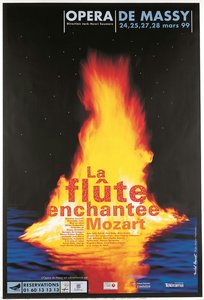
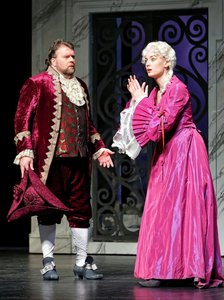
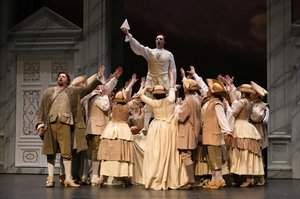
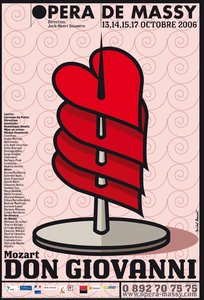
- Masterful operas such as The Magic Flute and Don Giovanni, which redefined the dramatic potential of the genre.
- A profound collection of symphonies that pushed the boundaries of orchestral texture and development.
- Intricate chamber works and piano concertos that remain cornerstones of the classical repertoire.
- Sacred choral works that demonstrate a divine command of polyphony and spiritual resonance.
A Lasting Legacy of Harmonic Perfection
Though his life was tragically short, ending in 1791 at the age of thirty-five, Mozart’s impact on the trajectory of Western music is immeasurable. He did not merely participate in the Classical era; he defined it. His innovations in orchestration, his psychological depth in operatic characterization, and his mastery of form provided a foundation upon which future composers, from Beethoven to Brahms, would build. The complexity of his harmonic language, often bordering on the experimental for his time, continues to challenge and inspire musicians and scholars alike.
Today, Mozart remains a symbol of pure, unadulterated genius. His music possesses a rare quality—a sense of effortless perfection that masks the profound intellectual labor behind every note. To listen to Mozart is to witness the intersection of mathematical precision and raw human emotion, a feat that ensures his place as one of the most significant figures in the history of human expression. His life, though marked by the pressures of fame and financial struggle, remains an eternal testament to the power of art to transcend time and mortality.