The Rhythm of Faith and Canvas: The Multidimensional Journey of Joseph Ward Simmons
In the vibrant tapestry of American cultural history, few figures embody the intersection of rhythmic innovation and spiritual devotion as profoundly as Joseph Ward Simmons. Born on November 14, 1964, in the energetic streets of Queens, New York, Simmons emerged from a landscape steeped in the burgeoning sounds of hip hop to become a global icon. While the world first recognized him through the heavy beats and legendary persona of DJ Run, his life’s work represents a much deeper, more complex narrative—one that weaves together the pulse of street culture with the profound serenity of religious conviction.
The early years of Simmons were defined by the sonic revolution taking place in Hollis, Queens. Alongside his creative counterparts, he helped forge the foundation of Run-DMC, a group that would fundamentally alter the trajectory of music history. Through this collective, Simmons mastered the art of storytelling, using rhythm and rhyme to capture the essence of urban life. His musical evolution was never static; he moved with a restless curiosity, exploring genres ranging from reggae to gospel, always seeking new ways to communicate the human experience through sound. This period of his life was marked by monumental achievements, including the iconic crossover success of “Walk This Way,” which bridged the gap between hip hop and rock, cementing his place in the pantheon of musical pioneers.
A Spiritual Metamorphosis
As his musical career ascended, a profound internal transformation began to take shape. The transition from the high-energy stage of a rap icon to the pulpit of a Pentecostal minister is a journey of immense spiritual weight. Known to many as Reverend Run, Simmons embraced his ordination with a grace that mirrored his artistic versatility. This duality—the ability to command a concert stage and lead a congregation—has become the hallmark of his identity. His work as a minister is not a departure from his musical roots but rather an extension of them; he continues to use the power of voice and narrative to foster connection, much like the lyrical storytelling that first brought him fame.
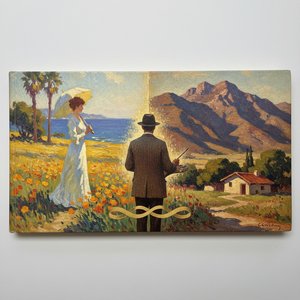
This spiritual evolution has deeply influenced his broader artistic perspective. Beyond the microphone, Simmons possesses a profound appreciation for the visual arts and the way they can serve as vessels for intellectual and spiritual growth. His connection to institutions such as the Mary Ward Centre in London reflects a commitment to the idea that art, education, and culture are inextricably linked. For Simmons, the canvas and the pulpit both offer opportunities to explore the depths of human curiosity and the enduring power of faith.
Legacy and Cultural Impact
The historical significance of Joseph Ward Simmons lies in his refusal to be confined by a single label. He has navigated the complexities of fame, family, and faith with a charismatic transparency that resonated deeply with audiences worldwide, particularly through the intimate lens of the documentary series Run’s House. His life serves as a testament to the idea that an artist can evolve, shedding old skins to reveal new, unexpected layers of purpose.
Today, his legacy is viewed through several interconnected lenses:
- The Pioneer: As a founding member of Run-DMC, he remains a cornerstone of hip hop's golden age.
- The Storyteller: Through both music and television, he has mastered the art of personal connection and cultural documentation.
- The Minister: His role as Reverend Run provides a unique perspective on how contemporary culture can harmonize with traditional spiritual values.
- The Visual Enthusiast: His appreciation for fine art and architectural history underscores a lifelong pursuit of beauty in all its forms.
Ultimately, the story of Joseph Ward Simmons is one of rhythm—the rhythm of the drum, the rhythm of the spoken word, and the rhythmic pulse of a life lived in constant, beautiful motion between the secular and the sacred.