Kin Seng Chiang & Kin-Sang Lee: Bridging Art and Performance
Kin Seng Chiang and Kin-Sang Lee, though distinct individuals pursuing separate artistic paths, share a foundational connection – a deep appreciation for Eastern aesthetics interwoven with Western innovation. Born in China (1957), Chiang’s journey into art began as an electrical engineer at City University of Hong Kong, grounding him in precision and analytical thought before unleashing his creative impulses onto canvas. Simultaneously, Lee honed his craft as an actor, captivating audiences worldwide with performances that demanded physicality and emotional depth. This dual expertise informs their artistic sensibilities, resulting in a body of work characterized by both intellectual rigor and visceral expression.
- Early Influences: Chiang’s formative years were shaped by the burgeoning Hong Kong art scene during the late 20th century, exposing him to movements like Conceptual Art and Minimalism – disciplines that prioritized ideas over traditional representation.
- Formal Training: Despite his engineering background, Chiang pursued postgraduate studies in Fine Arts at Yale University, immersing himself in Impressionism and Post-Impressionism, broadening his artistic vocabulary.
- Signature Style: Chiang’s distinctive style is marked by bold color palettes and textured surfaces—a deliberate departure from academic conventions. He utilizes acrylic paints extensively, layering them to achieve luminous effects that capture the essence of natural landscapes.
Lee's theatrical training instilled in him a keen understanding of storytelling and character development. His performances spanned genres ranging from classical dramas to contemporary films, showcasing versatility and adaptability. This experience cultivated his ability to convey emotion through movement and gesture—skills he translates into his artistic endeavors.
- Performance Roots: Lee began his acting career in Hong Kong’s Cantonese opera tradition, mastering vocal techniques and physical choreography – disciplines that instilled discipline and precision.
- Film Roles: He gained international recognition through roles in Hollywood productions like “The Karate Kid” and “Rush Hour,” demonstrating charisma and comedic timing.
- Sculptural Exploration: Lee’s artistic explorations extend beyond acting into sculpture, where he experiments with bronze casting—a technique rooted in ancient Chinese craftsmanship. His sculptures often depict figures engaged in dynamic poses, reflecting the energy of performance.
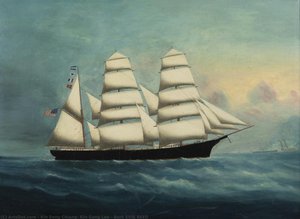
A pivotal moment in Chiang and Lee's careers arrived with their collaborative project "Bark EVIE REED," a mesmerizing acrylic painting that exemplifies their combined artistic vision. The artwork’s vibrant hues and intricate textures evoke the spirit of Hong Kong’s coastal landscapes—a testament to their ability to synthesize influences from diverse cultural traditions. This piece solidified their reputation as artists who transcend boundaries, blending technical mastery with emotive storytelling.
- Collaborative Vision: “Bark EVIE REED” represents a harmonious fusion of Chiang's textural approach and Lee’s expressive dynamism—a reflection of their shared belief in the transformative power of art.
- Critical Acclaim: The painting garnered considerable praise from critics who lauded its evocative imagery and masterful execution. It cemented Chiang and Lee’s position as prominent figures within the contemporary Asian art landscape.
Kin Seng Chiang & Kin-Sang Lee's legacy extends beyond their individual achievements—they serve as inspiring examples of artists who embrace interdisciplinary pursuits, enriching both the visual arts and performing arts with their distinctive perspectives. Their work continues to resonate with audiences worldwide, demonstrating that creativity knows no limits and that artistic expression can illuminate the complexities of human experience.