Early Life and Academic Foundations
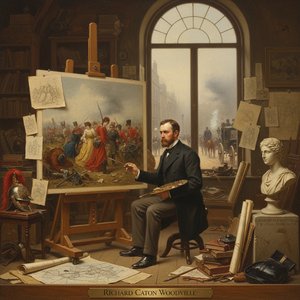
Frederick Richard Lee, born in the picturesque coastal town of Barnstaple, Devon, in 1798, embarked on an artistic journey that would beautifully encapsulate the spirit of Victorian England. Though details of his earliest upbringing remain somewhat elusive, we know he came from a family with established roots – his father, Thomas Lee, was a resident of Barnstaple, and he possessed a brother, Thomas Lee Jr., who distinguished himself as an architect. This familial connection to craftsmanship perhaps instilled in young Frederick an appreciation for form and structure that would later manifest in his meticulously rendered canvases. In 1818, at the age of nineteen, Lee formally enrolled as a student at the prestigious Royal Academy in London, marking a pivotal moment in his artistic development. While surviving works from this formative period are scarce, it’s evident that he diligently honed his skills within the Academy's rigorous environment. By 1834, six dated paintings already bore his signature, signaling a burgeoning talent and a clear trajectory towards recognition. His election as an Associate of the Royal Academy (A.R.A.) that same year solidified his position within the established art world.
The Rise of Genre Painting: Lee's Artistic Context
Genre painting (or petit genre) is the painting of genre art, which depicts aspects of everyday life by portraying ordinary people engaged in common activities. One common definition of a genre scene is that it shows figures to whom no identity can b...
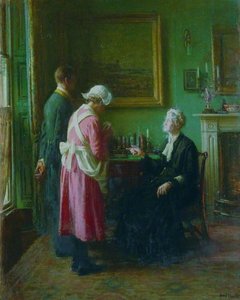
To understand Frederick Richard Lee’s work, one must appreciate the burgeoning popularity of genre painting during the 19th century. Emerging as a distinct category separate from history painting and portraiture, genre painting focused on depicting scenes of everyday life – ordinary people engaged in common activities. This wasn't merely about representation; it was about capturing a specific *mood*, a slice of existence that resonated with a growing middle class eager to see their own lives reflected in art. Unlike the grand narratives of historical paintings, which often celebrated heroism and power, genre painting offered intimacy and relatability. Artists like Jan Vermeer in the Dutch Golden Age had laid the groundwork for this approach centuries earlier, but it was in Victorian England that genre painting truly flourished. The emphasis shifted towards domesticity, sentimentality, and moral undertones – themes Lee would masterfully explore throughout his career. The distinction between a ‘genre scene’ and a portrait lay in the anonymity of the figures; while an artist might use family members as models, the intention was not to commemorate individuals but rather to portray universal experiences.
Domestic Scenes and Narrative Detail: A Closer Look at Lee’s Style
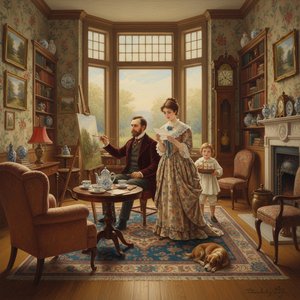
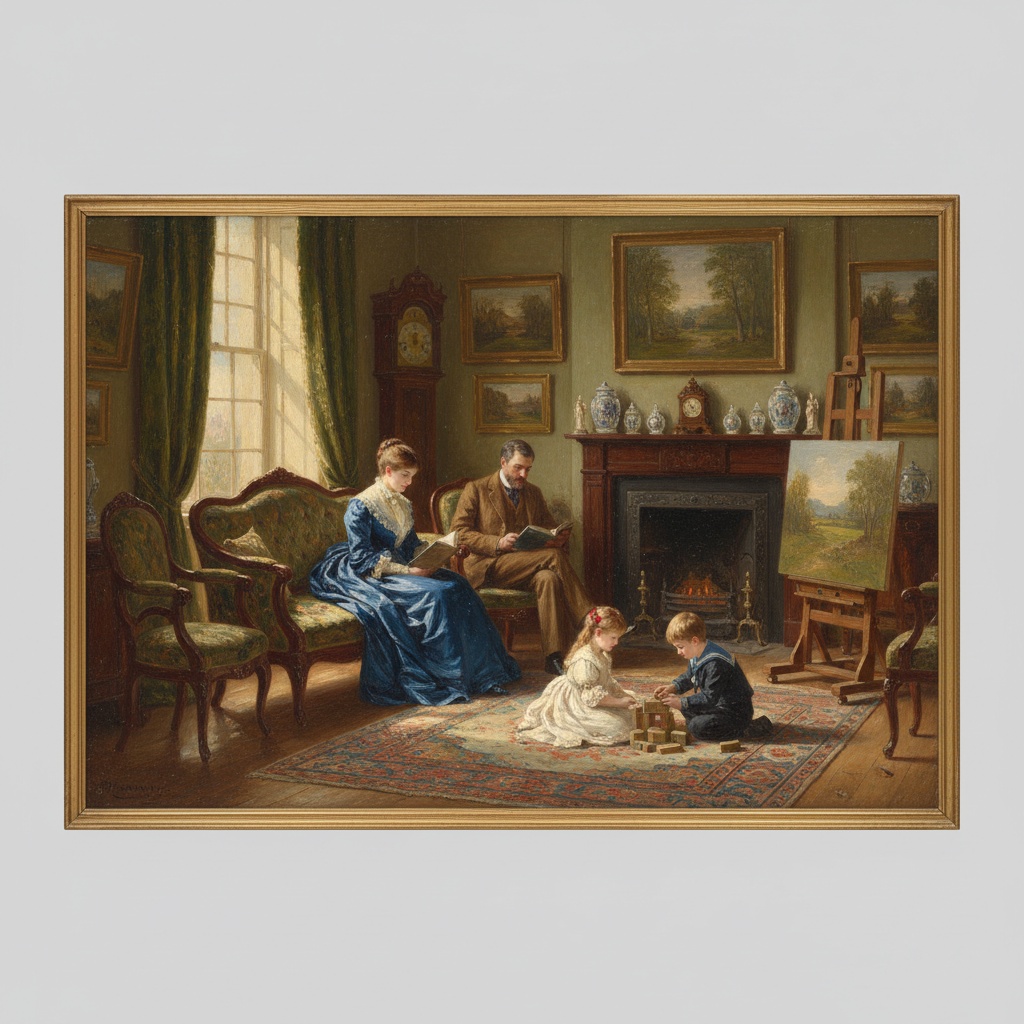
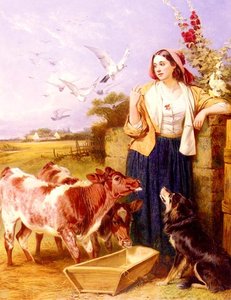
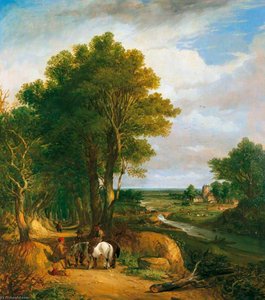
Lee's canvases are characterized by a remarkable attention to detail and a palpable sense of warmth. He excelled in portraying domestic interiors and pastoral landscapes, often populated with figures engaged in quiet moments of everyday life. Paintings like *Bringing in the Stag* (1830), held at the Tate Gallery, demonstrate his early proficiency in capturing both the physicality of labor and the serene beauty of the natural world. His technique involved a meticulous layering of oil paints on canvas, creating textures that evoke a sense of realism. Later works, such as *Sea Coast Sunrise* (1834), reveal a growing sophistication in his use of light and color, imbuing his scenes with an ethereal quality. Lee wasn’t simply recording what he saw; he was constructing narratives – subtle stories unfolding within the frame. A carefully placed object, a gesture between figures, or the play of sunlight could all contribute to a deeper understanding of the scene's emotional resonance. He possessed a gift for capturing fleeting moments, transforming ordinary occurrences into poignant reflections on Victorian life.
Collaboration and Influences: Cooper, Landseer, and the Pastoral Tradition
Lee’s artistic journey wasn’t solely a solitary pursuit. He frequently collaborated with other prominent artists of his time, most notably Thomas Sidney Cooper and Sir Edwin Landseer. These collaborations were often strategic, leveraging each artist's strengths to create more compelling compositions. Lee typically focused on the landscape elements – the rolling hills, tranquil waters, and atmospheric skies – while Cooper specialized in painting livestock and Landseer brought his renowned skill in depicting animals to life. These partnerships resulted in harmonious works that epitomized the pastoral tradition, celebrating the idyllic beauty of rural England. The influence of John Constable is also readily apparent in Lee’s work; both artists shared a deep appreciation for the English countryside and a commitment to capturing its natural splendor. However, Lee remained steadfastly true to his own style, resisting the allure of Turner's more impressionistic approach. He preferred a meticulous realism that allowed him to convey a sense of tranquility and order.
Lee’s Later Career and Legacy in Victorian Art
Throughout the following three decades, Lee continued to produce an impressive body of work, amassing over forty dated paintings alongside fifty others whose dates remain unknown. He established a home in Pilton, near Barnstaple, but his passion for the sea led him to spend considerable time aboard his yacht, exploring the coasts of France, Spain, and Italy. This wanderlust undoubtedly informed his landscapes, imbuing them with a sense of authenticity and vibrancy. Lee exhibited regularly at the Royal Academy until 1870, becoming an honorary retired academician in the following year. His paintings were consistently sought after during his lifetime, suggesting he enjoyed a comfortable level of financial success. In 1879, at the age of eighty, Lee passed away at Vleesch Bank, Herman station, South Africa, where members of his family resided. While perhaps not as widely celebrated today as some of his contemporaries, Frederick Richard Lee’s contribution to Victorian genre painting remains significant. His ability to capture the essence of domestic life with such detail and sensitivity continues to resonate with art lovers.
Collecting Frederick Richard Lee Today
For collectors seeking a glimpse into the heart of Victorian England, Frederick Richard Lee offers a compelling opportunity. His paintings are increasingly sought after for their exquisite detail, tranquil atmosphere, and historical significance. While many of his works reside in public collections across the UK – over fifty paintings are currently accessible to the public – numerous examples remain in private hands. The recent rediscovery of over 300 attributed paintings suggests that there is still potential for uncovering hidden gems. Prices vary depending on size, subject matter, and condition, but generally range from modest investments to substantial acquisitions. ArtsDot offers high-quality reproductions of Lee’s most celebrated works, allowing art enthusiasts to experience the beauty of his paintings firsthand. Whether you are a seasoned collector or simply appreciate the charm of Victorian art, Frederick Richard Lee's canvases offer a captivating window into a bygone era. Explore our collection today and discover the enduring appeal of this remarkable British artist.