Louis-François Baron Lejeune: Life and Legacy
Early Life and Military Career
- Born: 1775
- Died: 1848
- Louis-François Lejeune began his artistic journey studying painting under Pierre-Henri de Valenciennes, alongside Jean-Victor Bertin. However, the burgeoning French Revolution drew him towards a military career.
- He volunteered for service in 1792 and quickly rose through the ranks, participating in pivotal battles like Valmy. His early experiences shaped his later artistic focus on warfare.
- Lejeune served with distinction throughout the Napoleonic Wars, becoming aide-de-camp to Marshal Berthier in 1800 – a position he held for twelve years. He was wounded and captured during campaigns in Spain.
The Discovery of Lithography
- During the German campaign of 1806, Lejeune visited Alois Senefelder’s workshop in Munich – the birthplace of lithography.
- Fascinated by this new technique, he created a drawing on stone, “The Cossack,” which was printed by Senefelder himself.
- Lejeune is credited with introducing lithography to France, recognizing its potential for artistic reproduction and dissemination of images.
Artistic Development and Style
- Despite his military commitments, Lejeune continued to paint, keeping brushes with him even on the battlefield.
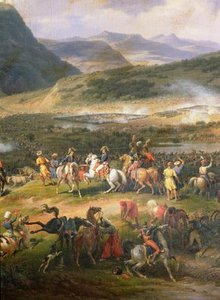
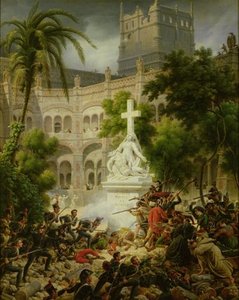
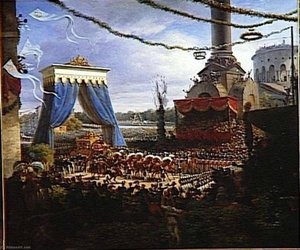
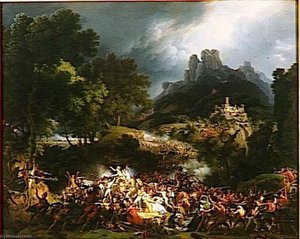
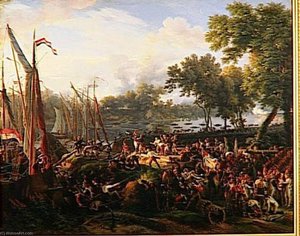
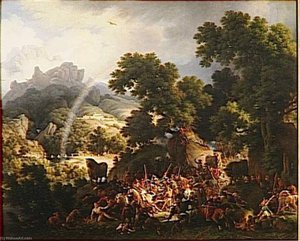
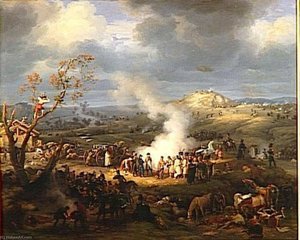
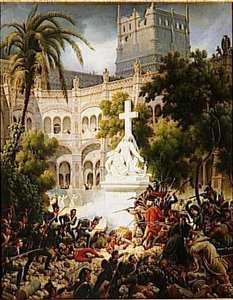
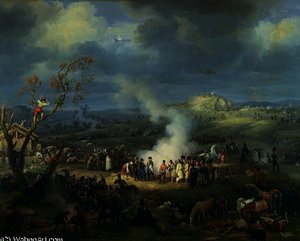
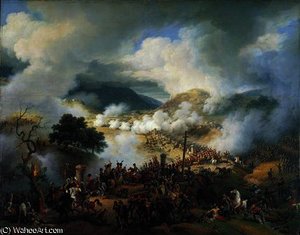
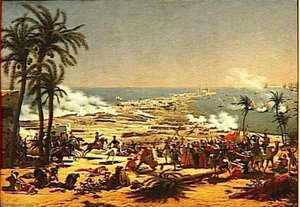
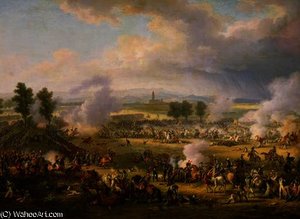
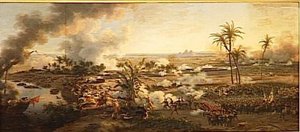
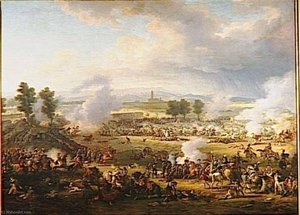
- His style is characterized by dynamic compositions, dramatic lighting, and a focus on accurately depicting large-scale battle scenes.
- He often worked from sketches made during active campaigns, lending authenticity to his work. His paintings offer a “lofty perspective,” providing a panoramic view of the events unfolding.
- Lejeune’s works fall within the Romanticism movement, emphasizing emotion, grandeur, and historical narratives.
Major Achievements and Notable Works
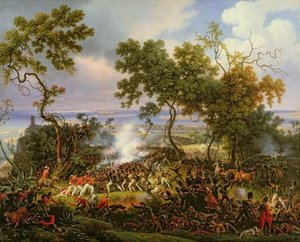
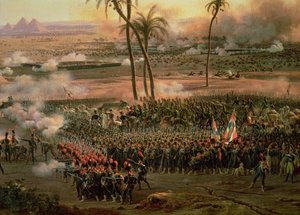
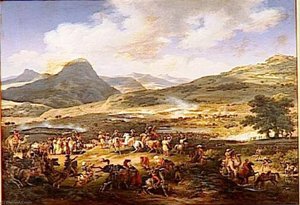
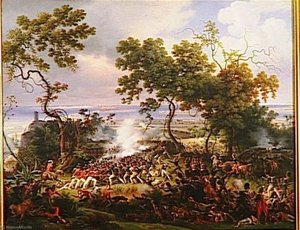
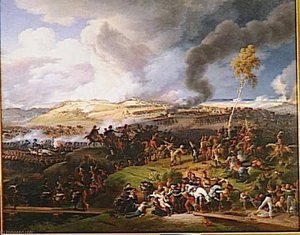
- Key Paintings: “The Battle of Marengo,” “Battle of Moscow,” “The Battle of Chiclana,” “Passage of the Rhine.” These works gained significant acclaim for their scale, detail, and emotional impact.
- His painting of “The Battle of Guirando” (1819) was particularly successful, drawing large crowds eager to view its vivid depiction of conflict.
- Lejeune also produced studies of uniforms in the French Imperial Army, providing valuable historical documentation.
- His name is inscribed on the Arc de Triomphe in Paris, recognizing his military service and contributions to France.
Historical Significance and Legacy
- Lejeune’s battle paintings provided a powerful visual record of the Napoleonic Wars, shaping public perception of these events.
- His introduction of lithography to France revolutionized printmaking and paved the way for new forms of artistic expression.
- He bridged the gap between military experience and artistic representation, offering a unique perspective on warfare and its impact.
- Although not as widely celebrated today as some of his contemporaries, Lejeune remains an important figure in French art history, recognized for his skill, innovation, and dedication to capturing the drama of his time.