The Pioneers of Color: The Legacy of McLoughlin Brothers
In the golden age of American childhood, before the digital glow of screens captured the imagination, there existed a vibrant, tactile world of paper and ink crafted by the McLoughlin Brothers. This New York publishing powerhouse, active from 1858 to 1920, did more than merely print books; they sculpted the visual landscape of an era. The firm’s origins were deeply rooted in the industrious spirit of the mid-19th century, born from the vision of John McLoughlin, Jr., a man who had mastered the delicate art of wood engraving and printing. Alongside his brother Edmund, he transformed a modest publishing venture into a legendary institution that would define the aesthetic of Victorian nursery rooms across the United States.
The magic of the McLoughlin Brothers lay in their relentless pursuit of chromatic brilliance. At a time when much of children's literature remained monochromatic or crudely hand-tinted, the brothers became pioneers of advanced printing technologies. Their early works were celebrated for their exquisite use of hand-stenciled colored illustrations, which lent a soulful, artisanal quality to every page. As technology progressed, they seamlessly transitioned into the sophisticated realms of chromolithography and photo engraving. This evolution allowed them to flood the market with books that were not only stories but sensory experiences—bursting with saturated hues and intricate details that seemed to leap from the paper.
A World of Paper, Play, and Imagination
To step into the catalog of the McLoughlin Brothers was to enter a boundless playground. Their creative output extended far beyond the traditional bound volume, encompassing a diverse ecosystem of ephemeral delights. They were masters of the "toy book," a genre that blended narrative with physical interaction. These were not merely books to be read, but objects to be handled, played with, and cherished. Their repertoire included:
- Indestructible Toy Books: Printed on durable linen to withstand the enthusiastic grip of small hands.
- Paper Toys and Puppets: Intricate cut-outs that allowed children to act out the very stories they had just finished reading.
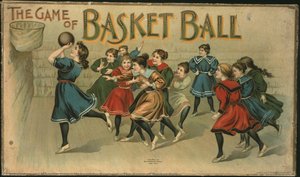
- Board Games and Puzzles: Some of the earliest and most significant American board games, which laid the groundwork for the modern gaming industry.
- Alphabet Cards and Valentines: Beautifully illustrated ephemera that turned everyday communication into a miniature art gallery.
The company’s ability to adapt classic tales—often through charmingly simplified or "bowdlerized" retellings—ensured that the legends of old remained accessible and enchanting for a new generation. By blending high-quality artistry with mass-producible techniques, they democratized beauty, bringing fine illustration into the homes of the many rather than reserving it for the elite.
Artistic Influence and Historical Significance
The historical weight of the McLoughlin Brothers cannot be overstated. Their archives, now preserved in institutions like the American Antiquarian Society, reveal a collaborative tapestry of talent. They provided a platform for significant illustrators of the period, including Enos and Frances Comstock, Palmer Cox, and Sarah Noble Ives. Through these artists, the firm acted as a conduit for the prevailing artistic movements of the late 19th century, weaving elements of fine art into the fabric of popular culture.
As the 20th century dawned, the company’s trajectory mirrored the changing tides of American industry. Following the passing of John McLoughlin, Jr., the firm eventually found itself absorbed by the titan Milton Bradley in 1920. While this marked the end of an independent era for the brothers, their DNA lived on through the McLoughlin Division of Milton Bradley, which continued to influence children's publishing well into the mid-century. Today, we look back at the work of the McLoughlin Brothers not merely as nostalgic relics, but as a monumental achievement in graphic design and publishing—a period when ink and paper were the primary vessels for the dreams of a nation.