
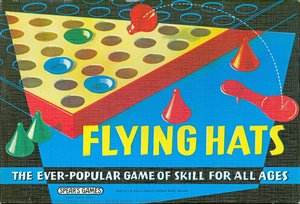
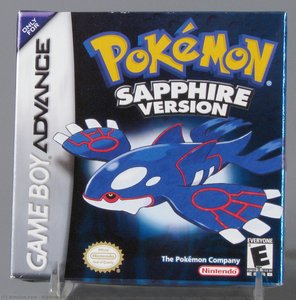
The Rise of Gaming as Fine Art: From Pixels to Prestige
 From Digital Dreams to Tangible Treasures: The Rise of Modern Fan Art
Explore the vibrant world of modern fan art! Discover its evolution, cultural impact, and growing market. From digital creations to commissioned pieces, we delve into the artistry & passion driving fandoms today.
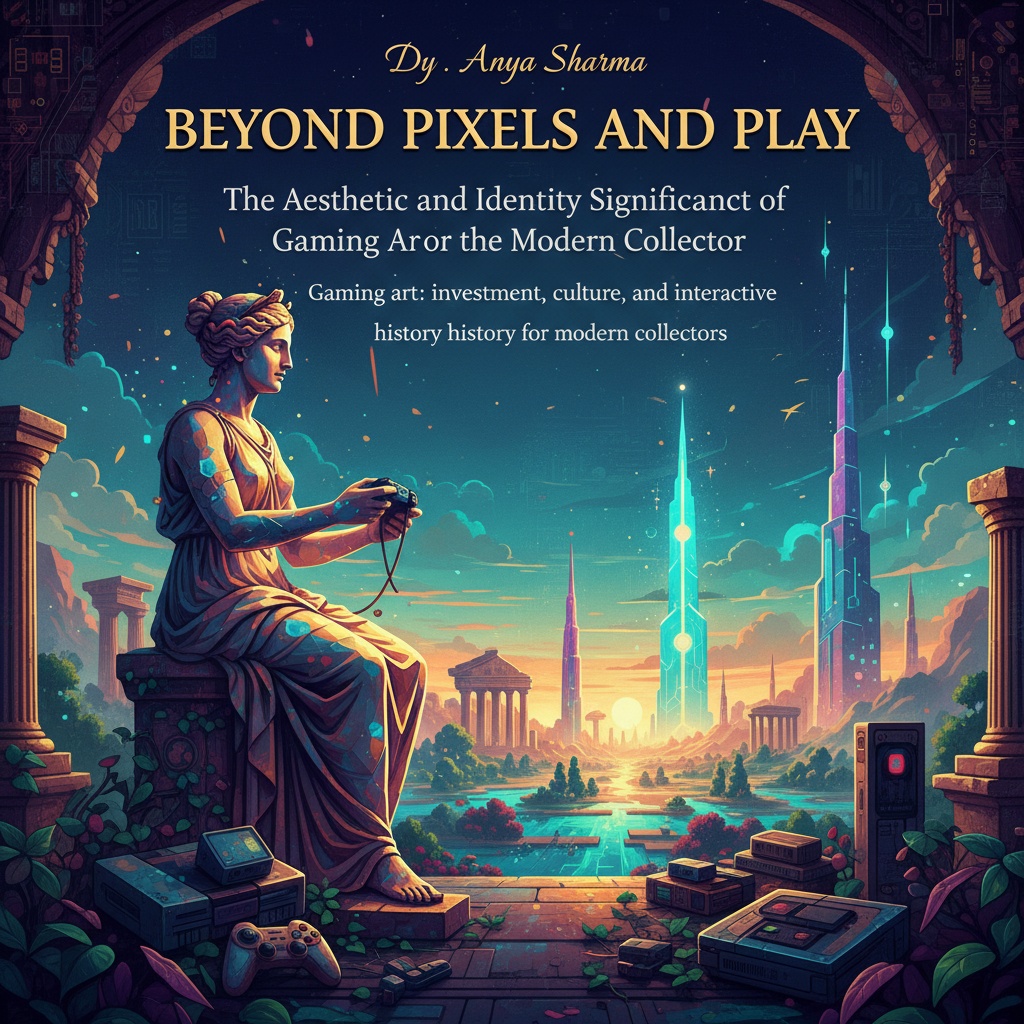
For decades, the vibrant worlds conjured by video games existed largely outside the established boundaries of fine art. Dismissed by many as ephemeral entertainment, a realm of fleeting pixels and disposable code, they were rarely considered alongside oil paintings or sculpted bronze. Yet, a quiet revolution has been unfolding. Today, discerning collectors are turning their attention to gaming – not merely as a nostalgic pastime, but as a legitimate and increasingly valuable artistic medium. This shift isn’t simply about acquiring rare cartridges or limited-edition consoles; it's about recognizing the profound aesthetic and cultural significance embedded within these interactive experiences.
The initial seeds of this transformation were sown in the early 2000s with the emergence of “art games”—titles deliberately crafted to provoke thought, elicit emotional responses, and challenge conventional notions of gameplay. Works like Jason Rohrer’s *Passage*, a minimalist exploration of life's fleeting nature rendered in stark pixel art, demonstrated that artistic power wasn’t contingent upon photorealistic graphics or complex narratives. These early pioneers proved that the very limitations of the medium could be harnessed for expressive effect, forcing developers to prioritize creativity and ingenuity. The focus moved from technical prowess to conceptual depth, paving the way for a broader appreciation of gaming as an art form.
The appeal extends beyond mere novelty. Gaming possesses a unique capacity for interactivity—a dynamic relationship between artwork and audience that sets it apart from traditional forms. Players aren’t passive observers; they are active participants in shaping the narrative, influencing the outcome, and forging a personal connection with the virtual world. This inherent engagement fosters a sense of ownership and emotional investment rarely found in other artistic mediums.
Nostalgia, Identity & The Collector's Impulse: Why We Value Vintage Games
 Evoking Echoes of Time: Nostalgia as a Dominant Vibe in Art Historical & Contemporary Practice
Explore the powerful role of nostalgia in art history & contemporary practice. Discover how artists evoke emotion, reclaim cultural memories, & create spaces that resonate with wellbeing. Expert insights & curated collections at ArtsDot.
However, to attribute this burgeoning interest solely to intellectual curiosity would be an oversimplification. A powerful undercurrent driving the gaming art market is nostalgia—a complex emotion that transcends simple reminiscence and taps into deeper cultural anxieties and desires. For many collectors, vintage games represent a portal to simpler times, a yearning for the innocence of childhood, and a fascination with the origins of digital culture.
This isn’t merely about reliving personal memories; it's about reclaiming a formative period in technological history—a time when innovation was driven by necessity and creativity flourished within constraints. The pixelated graphics, chiptune soundtracks, and simple gameplay mechanics of early games evoke a sense of authenticity that resonates deeply with those who experienced them firsthand. As the world becomes increasingly digitized, this nostalgia also reflects a broader cultural longing for tangible experiences—a desire to reconnect with physical objects in an age dominated by virtuality.
The act of collecting itself is imbued with symbolic meaning. Acquiring rare games isn’t simply about possessing valuable artifacts; it's about preserving a piece of history, celebrating the ingenuity of early developers, and connecting with a community of like-minded enthusiasts. This sense of shared passion fosters a vibrant market where collectors actively seek out pristine copies, limited editions, and obscure titles—transforming them into coveted objects of desire.
Defining the 'Art Game': Interactive Experiences and Conceptual Depth
An art game (or arthouse game) is a work of interactive new media digital software art as well as a member of the "art game" subgenre of the serious video game. The term "art game" was first used academically in 2002 and it has come to be understood ...
Central to understanding this shift is the concept of the “art game”—a subgenre deliberately designed to prioritize artistic expression over commercial viability. Pioneered by artists like Tiffany Holmes, who first academically defined the term in 2003, these games challenge cultural stereotypes, offer meaningful social or historical critique, and tell stories in novel ways. Unlike mainstream titles focused on entertainment, art games emphasize interactivity as a means of structuring narrative and provoking thought.
Rebecca Cannon further refined this definition, highlighting the competitive element inherent in many art games—a structured framework for engaging with complex ideas. Titles like *The Stanley Parable*, a meta-narrative exploration of player agency and free will, exemplify this approach. The game constantly subverts expectations, challenging players to question their own choices and the very nature of storytelling.
Art mods, modifications made to existing non-art games with artistic intent, also fall under this umbrella. These can range from altering graphics and sound design to creating entirely new gameplay experiences—transforming familiar worlds into unique artistic statements. The key distinction lies in the deliberate intention of the creator: is the primary goal entertainment or artistic expression? This subtle but crucial difference separates art games from their commercially driven counterparts.
A Visual History: Tracing the Evolution of Gaming Aesthetics
The visual language of gaming has undergone a dramatic evolution, mirroring advancements in technology and shifting artistic sensibilities. The earliest games, constrained by limited processing power and memory capacity, relied on simple shapes and colors to convey gameplay information. *Pong* and *Space Invaders*, iconic examples of this era, established a minimalist aesthetic that would later become associated with retro gaming culture.
The 1980s saw the rise of 8-bit graphics, offering greater detail and color palettes. Games like *Super Mario Bros.* and *The Legend of Zelda* introduced iconic characters and worlds that continue to inspire artists today. This era also witnessed the emergence of pixel art—a distinct visual style characterized by its blocky aesthetic and deliberate limitations.
The advent of 3D graphics in the 1990s marked a turning point, allowing for more immersive and realistic game worlds. Titles like *Doom* and *Quake* pushed the boundaries of visual fidelity, paving the way for the AAA titles of today. Modern games boast photorealistic graphics, complex character models, and stunning environments—a testament to the power of technological innovation.
Beyond Gameplay: Sound Design, Community & The Broader Cultural Impact
However, reducing gaming aesthetics solely to visual elements would be a disservice to its broader cultural significance. Sound design plays a crucial role in creating immersive game worlds and evoking emotional responses. The chiptune soundtracks of early games are instantly recognizable and evoke a sense of nostalgia for many collectors. Modern titles boast orchestral scores and complex sound effects, enhancing the overall gaming experience.
The vibrant community surrounding video games also contributes to its growing recognition as an art form. Conventions, esports tournaments, and online forums foster a sense of belonging and shared passion among gamers. These events often showcase fan art, cosplay, and other creative expressions—further solidifying the cultural significance of gaming.
The rise of streaming platforms like Twitch and YouTube has further amplified this impact. Streamers share their experiences with a wider audience, creating new forms of interactive entertainment and fostering a sense of community. The visual aesthetics of these streams – including custom overlays, emotes, and avatars – also contribute to the broader culture surrounding video games.
Investing in Virtual Worlds: Navigating the Emerging Gaming Art Market
The market for gaming art is still relatively nascent but experiencing rapid growth, driven by increasing collector interest and the emergence of specialized galleries and auction houses. While traditional art markets have historically overlooked video games, a shift began in the early 2000s with the recognition of 'art games' and the growing appreciation for retro gaming aesthetics.
Today, collectors are actively seeking out rare cartridges, limited-edition consoles, original artwork from classic games, and even digital assets like NFTs. Platforms like ArtsDot.com offer a curated selection of high-quality reproductions, allowing collectors to acquire iconic game imagery in museum-quality formats. Whether you're a seasoned art collector or a newcomer to the world of gaming, there are opportunities to invest in this dynamic and evolving market.
As the cultural significance of video games continues to grow, so too will their value as artistic artifacts. The future of gaming art is bright—a testament to the power of creativity, innovation, and the enduring appeal of virtual worlds. Explore our collection at ArtsDot.com and discover the beauty and artistry hidden within these interactive experiences.