
The Enduring Appeal of Hand-Painted Art in a Digital World
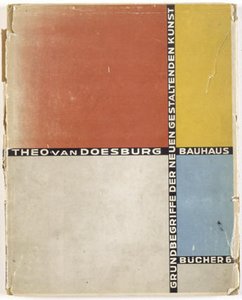 Cover of 'Basic concepts of the new creative art'
Discover Theo van Doesburg’s ‘Cover of ‘Basic concepts…’ – a striking De Stijl masterpiece! Explore its grid design, bold colors & Bauhaus influence. A key piece for art collectors.
There exists within the vibrant landscape of video games, a realm often defined by cutting-edge technology and photorealistic ambition, a quiet rebellion—a deliberate embrace of tradition. This is the world of hand-painted art, a technique that eschews algorithmic perfection for the nuanced touch of the human hand. It’s a style not merely *resembling* classical painting, but one deeply rooted in its principles, offering a unique character and depth often lost in the pursuit of hyperrealism. From the earliest pixelated sprites to today's sprawling open worlds, artists have consistently returned to this method, recognizing that true immersion isn’t solely about visual fidelity, but about evoking emotion and crafting environments that feel genuinely lived-in.
The initial allure stemmed from necessity. Early game developers, constrained by limited processing power, sought ways to inject personality into their creations. The adoption of hand-painted textures wasn't simply a workaround; it was an aesthetic choice—a conscious rejection of the sterile uniformity that technology threatened. Games like ‘The Longest Journey’ (1999) stand as testaments to this era, demonstrating how evocative atmosphere and compelling narratives could be built upon a foundation of artistic skill rather than sheer computational power. This wasn't about mimicking reality; it was about creating worlds that *felt* real, imbued with a sense of artistry often missing from purely procedural generation. The brushstrokes themselves became part of the storytelling, hinting at a human presence within the digital space.
From Canvas to Code: The Technological Evolution of Painted Game Aesthetics
Digital painting is either a physical painting made with the use of digital electronics and spray paint robotics within the digital art fine art context or pictorial art imagery made with pixels on a computer screen that mimics artworks from the trad...
The story of hand-painted art in games is inextricably linked to the evolution of digital technology itself. While deeply rooted in traditional techniques—the careful mixing of pigments, the subtle layering of glazes, the expressive quality of brushwork—it’s a distinctly modern practice that leverages powerful tools to achieve unique effects. The earliest seeds were sown with programs like Sketchpad (1963), allowing for rudimentary graphical manipulation on cathode-ray tubes. This paved the way for tools like MacPaint and Adobe Photoshop, democratizing image editing and placing artistic power in the hands of a wider audience. The advent of graphics tablets was pivotal, enabling artists to replicate brushstrokes digitally with increasing precision.
Software like Corel Painter further refined this process, simulating traditional media with remarkable accuracy—allowing for the emulation of watercolor washes, oil paint impasto, and charcoal textures. Today, free and open-source alternatives such as Krita offer accessibility without compromising quality. This isn’t merely about replicating tools; it's about understanding the underlying principles of light, shadow, and color theory that have guided artists for centuries. The digital canvas allows for experimentation and iteration at a speed previously unimaginable, but the core skillset—the ability to observe, interpret, and translate reality onto a two-dimensional surface—remains paramount.
Deconstructing the Style: Brushwork, Texture, and Color Palettes in Hand-Painted Games
Defining the characteristics of hand-painted art within gaming requires understanding its core elements. It’s not simply about applying paint digitally; it's a deliberate artistic choice that prioritizes expression over photorealism. Distinctive features such as vibrant colors, bold brushstrokes, and stylized textures define this aesthetic. Unlike rendering engines striving for perfect accuracy, hand-painted art emphasizes the artist’s touch, offering a visually arresting experience. Deliberate strokes create individuality within each element of the game world, capturing the essence of manual craftsmanship.
Artists meticulously craft textures to convey depth and tactile quality—from the weathered stone of ancient ruins to the soft fabrics of character clothing. Color palettes often lean towards bolder hues and contrasts, enhancing visual impact and creating a sense of atmosphere. The emphasis is on creating an aesthetic that feels both intentional and expressive. This isn’t about replicating reality; it's about interpreting it through a unique artistic lens. A skilled artist understands how to use color to evoke emotion, guide the viewer’s eye, and create a cohesive visual identity for the game world.
Concept Art as Foundation: Building Worlds Before Pixels Take Shape
Concept art is a form of visual art used to convey an idea for use in film, video games, animation, comic books, television shows, or other media before it is put into the final product. The term was used by the Walt Disney Animation Studios as early...
Before any code is written or models are rendered, lies the crucial stage of concept art. This isn't merely preliminary sketching; it’s the blueprint for an entire aesthetic universe. Concept art is a form of visual art used to convey ideas before they are finalized, serving as inspiration for film, animation, and increasingly, video games. Developed through multiple iterations, it isn’t about creating finished pieces but exploring possibilities—visualizing characters, environments, and key moments within the game world.
It's used not only to develop the work itself but also to communicate progress to directors, clients, and investors. While often confused with storyboarding, concept art focuses on world-building and establishing a visual identity. The industry demands artists who can interpret abstract ideas quickly and effectively, working under tight deadlines while maintaining a high level of artistic quality. A strong concept artist possesses not only technical skill but also a keen understanding of design principles, composition, and storytelling.
Pop Art's Influence on Gaming: Appropriation, Consumerism, and Visual Culture
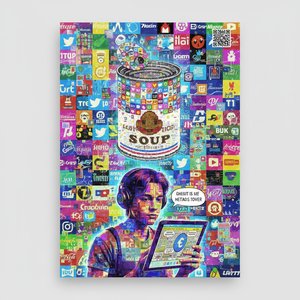 Pop Art 2.0: Recontextualizing Appropriation & Consumerism for a Digital Native Generation
Explore the evolution of Pop Art for today's digital world! Discover how appropriation & consumerism are reimagined by a new generation of artists. Expert insights & collecting tips.
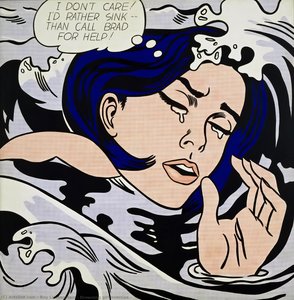
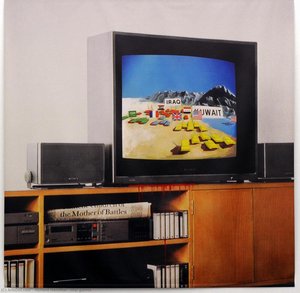
The rise of Pop Art in the mid-20th century profoundly influenced visual culture, and its echoes continue to resonate within gaming aesthetics. Artists like Richard Hamilton challenged conventional notions of high and low art, incorporating everyday objects into their work—a provocative critique of consumerism and mass media. This spirit of appropriation – recontextualizing existing images and ideas – is particularly relevant in today’s digital age, where remixing and sampling are commonplace.
The evolution of Pop Art for a new generation involves reimagining these themes within the context of social media, internet culture, and digital consumerism. Games often draw inspiration from iconic imagery, advertising aesthetics, and viral trends, creating a self-aware commentary on contemporary society. This isn’t simply about replicating the visual style of Pop Art; it's about understanding its underlying message—a playful yet critical examination of our relationship with images, objects, and information.
The Artists Behind the Scenes: Skillsets and Challenges of Game Painting
Creating hand-painted game universes is a complex but rewarding endeavor. It requires not only artistic talent but also a unique skillset that blends traditional techniques with technical proficiency. Artists must possess a strong understanding of light, shadow, color theory, composition, and anatomy—the foundational principles of classical painting. However, they must also be adept at using digital tools like Photoshop, Corel Painter, and Krita to create textures, assets, and environments.
The process often involves creating multiple layers of detail, from broad landscapes to intricate character designs. Artists must consider factors like lighting, perspective, and animation to ensure that their work seamlessly integrates into the game environment. While challenging, this approach allows for unparalleled control over the visual aesthetic, resulting in worlds that feel both handcrafted and immersive. The ability to adapt to different styles, meet tight deadlines, and collaborate effectively with a team are also essential qualities for success.