


The Rise of Gaming Aesthetics: From Pixels to Cultural Phenomenon
 From Pixels to Pavement: How Gaming Aesthetics Are Shaping Pop Culture
Explore the exciting convergence of gaming aesthetics and pop culture! Discover how video games are influencing fashion, streetwear, art & more. Stay ahead of the trends with .
For decades, the world of fine art largely regarded video games as a fleeting commercial diversion—a realm of ephemeral entertainment lacking the gravitas and enduring quality associated with established artistic mediums. Yet, beneath the surface of pixelated graphics and interactive narratives lay a burgeoning aesthetic potential that would gradually challenge this perception. The story isn’t one of sudden revolution, but rather a slow, compelling evolution. Early titles like Space Invaders (1978) and Pac-Man (1980), though limited by the technology of their time, demonstrated an innovative use of color, form, and spatial design—a nascent visual language taking shape within constraints. The leap to the 16-bit era brought a significant increase in detail, with games like Final Fantasy VI (1994) showcasing evocative character designs and immersive environments that hinted at deeper storytelling possibilities. But it was the arrival of 3D graphics in the late 1990s—exemplified by titles such as Metal Gear Solid (1998) and Shenmue (1999)—that truly began to blur the boundaries, introducing cinematic qualities previously reserved for film. This wasn’t merely a technical advancement; developers increasingly drew inspiration from established art movements, subtly weaving elements of Surrealism, Impressionism, and even Art Nouveau into their creations.
The increasing sophistication of game narratives played an equally crucial role in elevating the medium's artistic standing. Games began to explore complex themes of morality, identity, loss, and societal critique—subjects traditionally associated with high art. Titles like Disco Elysium (2019) and Red Dead Redemption 2 (2018) demonstrate a level of character development and world-building comparable to literary fiction, prompting critical discussion about the nature of interactive storytelling and its capacity for emotional resonance. The initial focus on technical prowess gradually gave way to a more deliberate exploration of artistic principles, paving the way for the complex visual and narrative experiences we see today—experiences that resonate far beyond the confines of the gaming world.
Beyond the Screen: Video Game Art as Intervention & Modification
Video game art is a form of computer art employing video games as the artistic medium. Video game art often involves the use of patched or modified video games or the repurposing of existing games or game structures, however it relies on a broader ra...
The influence of video games isn’t limited to the aesthetics *within* the games themselves. A fascinating subgenre has emerged – ‘video game art’ – encompassing modifications, interventions, and repurposing of existing game structures as a form of creative expression. This movement challenges traditional notions of authorship, originality, and the very definition of art itself. Consider Cory Arcangel's seminal work, Super Mario Clouds (2002). By stripping away all elements from the original Super Mario Bros. except for the clouds, Arcangel created a minimalist meditation on form, space, and the underlying code that governs our digital experiences. Similarly, his I Shot Andy Warhol (2008) uses a modified Atari 2600 to ‘shoot’ pixels at a portrait of the pop art icon, raising questions about artistic appropriation and the nature of representation.
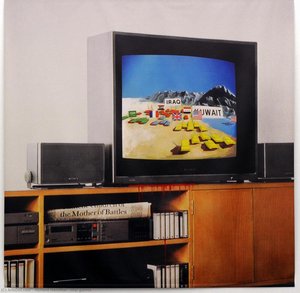
Joseph Delappe's projects offer a powerful example of video game art as social commentary. His work, such as Dead in Iraq (2007), involved playing online multiplayer games while reciting the names of American soldiers killed in the Iraq War—a poignant and unsettling act that brought the human cost of conflict into the virtual realm. The use of level editors to create new environments and experiences within existing games is another common practice, often challenging the original game’s narrative or aesthetic conventions. Machinima – the creation of animated films using real-time 3D graphics rendering engines from video games – represents a distinct but related form of artistic expression. The interactive nature of this art—its ability to engage with existing cultural structures and invite participation—is central to its power.
Art Deco & Digital Worlds: Exploring Shared Visual Languages
 The Gilded Age Reimagined: Exploring the Aesthetic Principles & Enduring Legacy of Art Deco
Explore the captivating world of Art Deco! Discover its origins, defining features, cultural impact & enduring legacy. Expert insights for collectors and design enthusiasts. Shop handmade reproductions at ArtsDot.
Looking beyond the technical innovations, it’s striking how often video games echo aesthetic principles found in earlier artistic movements. Art Deco, a style celebrated for its luxury, glamour, geometric forms, and optimistic vision of the future, offers a compelling point of comparison. Flourishing in the 1920s and 30s, Art Deco emphasized symmetry, streamlining, and rich ornamentation—qualities that resonate strongly with the visual design of many contemporary games. The iconic architecture of buildings like the Chrysler Building and the Empire State Building serves as a potent reminder of this aesthetic’s enduring appeal.
BioShock (2007), for example, draws heavily on Art Deco to create its underwater city of Rapture. The game’s architecture, character designs, and overall atmosphere evoke the decadence and sophistication of the Jazz Age. Similarly, the futuristic cityscapes in games like Deus Ex (2000) often incorporate elements of Art Deco design, such as geometric patterns, chrome plating, and streamlined forms. This isn't merely a stylistic choice; it taps into the inherent associations of Art Deco with technological progress, utopian ideals, and a sense of boundless possibility—themes that are frequently explored in video game narratives. The use of luxurious materials, both real and simulated, further reinforces this connection.
Elevating Spaces: Integrating Video Game-Inspired Art into Contemporary Design
The impact of art on the environment is undeniable; a thoughtfully curated space can significantly enhance productivity, creativity, and overall well-being. Incorporating elements inspired by video game aesthetics into contemporary office or residential design offers a unique opportunity to create dynamic and engaging environments. Abstract expressionism, with its bold colors and energetic compositions, can stimulate innovation and foster a sense of excitement. Minimalism, characterized by clean lines and simple forms, promotes focus and clarity—ideal for spaces requiring concentration.
However, the subtle integration of video game-inspired art can be particularly effective. Using pixel art or character designs from iconic games adds a touch of nostalgia and playfulness without being overly disruptive. The futuristic landscapes of cyberpunk games inspire innovative design concepts, while carefully chosen color palettes evoke specific moods and emotions. It’s crucial to maintain aesthetic balance—avoiding overwhelming the space with excessive stimulation. A curated selection of artwork that complements the existing décor is key, creating a harmonious blend of past and present influences.
Collecting the Ephemeral: The Value of Video Game Cover Art Reproductions
As video games gain wider recognition as a significant cultural force, interest in related ephemera—such as original game cartridges, promotional materials, and especially cover art—has surged. While acquiring pristine vintage copies can be prohibitively expensive for many collectors, hand-painted reproductions offer an accessible entry point to owning iconic artwork from this burgeoning field. Platforms like ArtsDot specialize in creating high-quality reproductions of classic masterpieces, including striking video game cover designs.
Each reproduction is meticulously crafted by skilled professional artists, customized to the collector’s specifications—size, framing, and canvas type are all tailored to individual preferences. The quality of these reproductions often rivals that of original pieces, capturing the vibrant colors, intricate details, and unique artistic style of the source material. Reproductions allow art enthusiasts to enjoy high-quality artwork without breaking the bank, creating unique gallery walls or themed collections that reflect their passions. Platforms like ArtsDot offer personalized consultations to help collectors select artwork that matches their space and vision, ensuring a cohesive and aesthetically pleasing result.