
The Genesis of Glamour: Art Deco’s Roots in Pre-War Paris
Art Deco, short for the French Arts décoratifs (lit. 'Decorative Arts'), is a style of visual arts, architecture, and product design that first appeared in Paris in the 1910s just before World War I and flourished internationally during the 1920s to ...
The story of Art Deco isn't one of sudden invention, but rather a gradual blossoming from the fertile artistic ground of pre-World War I Paris. While officially christened after the 1925 Exposition Internationale des Arts Décoratifs et Industriels Modernes, the style’s seeds were sown in the preceding decades – a reaction against the organic curves of Art Nouveau and a yearning for something bolder, more structured, and reflective of a rapidly changing world. The Vienna Secession, with its geometric forms and emphasis on functionality, provided an early impetus. Simultaneously, Cubism, spearheaded by artists like Picasso and Braque, fractured traditional perspectives and paved the way for abstraction. But it wasn’t merely about form; a fascination with exotic cultures – from ancient Egypt to the vibrant artistry of China and Japan – began to infuse European design with new palettes and motifs. This early period was characterized by experimentation, a rejection of historical revivalism, and a growing sense that art should not only be beautiful but also serve a purpose in modern life.
Geometric Flourishes & Exotic Influences: Defining Characteristics of the Style
Art Deco, at its core, is a celebration of symmetry, streamlining, and opulent detail. The movement embraced geometric shapes – chevrons, sunbursts, ziggurats – often rendered in rich, contrasting colors. Look closely at iconic examples like the Chrysler Building, and you’ll notice how these forms aren't merely decorative; they evoke a sense of upward momentum, reflecting the ambition and technological progress of the era. Beyond geometry, however, lies a profound fascination with exoticism. The discovery of Tutankhamun’s tomb in 1922 ignited a global obsession with Egyptian motifs – pyramids, scarabs, and hieroglyphs found their way into jewelry, furniture, and architecture. Similarly, Japanese lacquerware, Chinese porcelain, and Persian textiles inspired intricate patterns and luxurious materials. This wasn't simply appropriation; Art Deco artists sought to distill the *essence* of these cultures, translating them into a distinctly modern aesthetic. Materials played a crucial role: ebony, ivory, chrome, stainless steel, and even plastic were employed to create objects that exuded luxury and sophistication.
Jazz Age Rhythms and Technological Optimism: The Cultural Context of Art Deco
 Wikipedia: Jazz Age
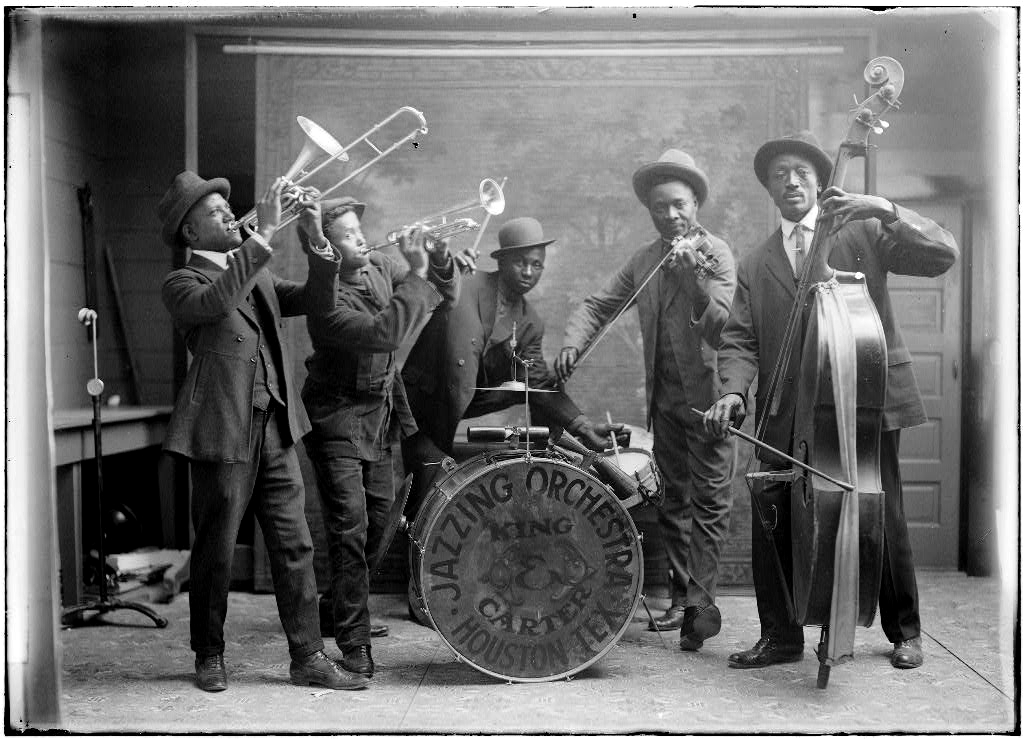
The Jazz Age was a period from 1920 to the early 1930s in which jazz music and dance styles gained worldwide popularity. The Jazz Age's cultural repercussions were primarily felt in the United States, the birthplace of jazz. Originating in New Orlean...
Art Deco didn’t exist in a vacuum; it was inextricably linked to the cultural ferment of the 1920s – the “Roaring Twenties” and the “Jazz Age.” The rise of jazz music, born from African American communities in New Orleans, provided a soundtrack for this new era. Its improvisational spirit, energy, and syncopated rhythms mirrored the dynamism of Art Deco design. The newfound freedoms enjoyed by women—shorter hemlines, bobbed hair, and a more assertive social presence—also influenced the style, with designs often reflecting a sleek, modern femininity. Crucially, this was also an age of technological optimism. The automobile, the airplane, and the radio transformed daily life, and Art Deco artists embraced these innovations, incorporating their forms and aesthetics into their work. Streamlined shapes evoked speed and efficiency, while new materials like Bakelite symbolized modernity. The movement wasn’t just about beauty; it was a visual expression of faith in progress and the possibilities of the future.
Streamline Moderne: A Refined Evolution for a New Era
Streamline Moderne is an international style of Art Deco architecture and design that emerged in the 1930s. Inspired by aerodynamic design, it emphasized curving forms, long horizontal lines, and sometimes nautical elements. In industrial design, it ...
As the Great Depression cast its shadow over the world, Art Deco underwent a subtle but significant transformation. Streamline Moderne emerged as a sleeker, more aerodynamic iteration of the style. The opulent ornamentation of earlier Art Deco gave way to smoother surfaces, long horizontal lines, and a greater emphasis on functionality. Inspired by the design of ocean liners – particularly the SS Normandie—Streamline Moderne sought to convey a sense of speed, efficiency, and luxury even in times of economic hardship. In France, this style was known as *style paquebot*, or “ocean liner style.” Railroad locomotives, buses, and even everyday appliances adopted these streamlined forms, reflecting a desire for progress and escape during a period of uncertainty. While still retaining the geometric foundations of Art Deco, Streamline Moderne prioritized simplicity and elegance over ostentation.
Art Deco’s Enduring Influence on Architecture, Design, and Fine Arts
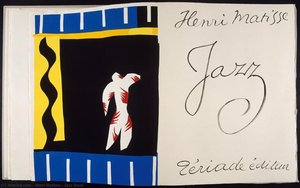
The impact of Art Deco extends far beyond the 1920s and 30s. Its influence can be seen in countless examples of architecture around the world – from skyscrapers to cinemas, bridges to ocean liners. Miami Beach remains a particularly striking example, boasting the largest concentration of Art Deco buildings globally. But its legacy isn’t limited to architecture; Art Deco principles permeated interior design, furniture, jewelry, fashion, and even typography. Artists like Henri Matisse, while not strictly adhering to the style, incorporated elements of Art Deco into their work – his “Jazz” series, with its vibrant cut-paper collages, exemplifies the movement's bold colors and geometric forms. The enduring appeal of Art Deco lies in its ability to blend luxury, sophistication, and modernity—a timeless aesthetic that continues to inspire designers and artists today.
Collecting Art Deco: Investing in a Timeless Aesthetic
For collectors, Art Deco presents a rich and diverse field with opportunities at various price points. From rare furniture pieces and exquisite jewelry to original prints and posters, the market offers something for every taste and budget. Investing in Art Deco is not merely about acquiring beautiful objects; it’s about owning a piece of history—a tangible representation of a transformative era. When building an Art Deco collection, consider focusing on specific areas that resonate with your interests – perhaps French furniture from the 1920s, American Streamline Moderne design, or works by artists who incorporated Art Deco elements into their paintings. Authenticity is paramount; research provenance carefully and consult with reputable dealers. At ArtsDot, we offer a curated selection of high-quality reproductions of iconic Art Deco designs, allowing you to bring the glamour and sophistication of this timeless aesthetic into your home. Explore our collection today and discover the enduring beauty of Art Deco—a style that continues to captivate and inspire.