Mary Lawrance Kearse: Pioneer of Rose Illustration
Mary Lawrance Kearse (21 May 1781 – 27 March 1845) stands as a remarkable figure in the annals of botanical illustration, particularly revered for her groundbreaking contribution to the depiction of roses. Born in London, England, into a family of modest means—her father a tailor—Kearse’s artistic journey began early, culminating in membership at the Royal Academy of Arts by 1795 and establishing herself as a respected teacher of botanical drawing with fees of half a guinea for her lessons. Her legacy rests primarily upon “A Collection of Roses from Nature” (1799), a meticulously crafted volume that cemented her place as the earliest published work on roses in Britain, marking an unprecedented step forward in documenting floral beauty and scientific observation during the Victorian era.
- Early Life & Education: Kearse’s upbringing instilled in her a deep appreciation for natural history and artistic pursuits. Her initial exposure to art came through familial influences and fostered a lifelong passion for capturing the essence of botanical specimens with precision and artistry.
- The Rose Book Project: Driven by an unwavering dedication to scientific accuracy combined with aesthetic sensibility, Kearse undertook the ambitious task of compiling and illustrating ninety distinct varieties of roses—a feat considered extraordinary at the time given the prevailing limitations in botanical knowledge. Collaborating closely with nurseries like Lee & Kennedy, she secured specimens that served as inspiration for her paintings, demonstrating a commitment to both artistic excellence and scientific rigor.
- Marriage & Continued Artistic Practice: In 1814, Kearse married Thomas Kearse, bolstering her family life while maintaining her unwavering focus on her craft. She continued to exhibit her work until 1830, showcasing her talent and securing a prominent position within the artistic community of London.
- Notable Achievements & Legacy: Kearse’s meticulous attention to detail—evident in her engravings and hand-coloring techniques—elevated “A Collection of Roses from Nature” beyond mere visual representation; it became a seminal text for botanical scholarship and an enduring symbol of Victorian scientific illustration. Her work is now housed in prestigious institutions such as the New York Public Library, Auckland Libraries Heritage Collection, and Cleveland Museum of Art, ensuring her artistic vision continues to inspire admiration and scholarly study.
Technique & Artistic Style
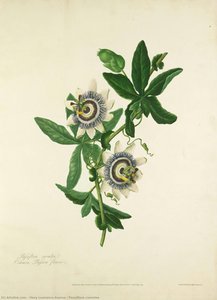
Kearse’s artistic style was characterized by a profound respect for observation and an unwavering commitment to capturing the subtleties of floral form and color. Employing watercolor and pencil—techniques favored during her era—she meticulously rendered roses from nature, prioritizing accuracy alongside aesthetic beauty. Her engravings complemented her paintings, enhancing their visual impact and contributing to the book’s overall scholarly value. Unlike many contemporary artists who prioritized idealized representations, Kearse sought to portray roses as they appeared in reality, reflecting a humanist approach that valued scientific understanding alongside artistic expression. The meticulous detail evident in her work speaks volumes about her dedication to mastering her craft and elevating botanical illustration to new heights of sophistication.
Influence & Context
Mary Lawrance Kearse’s contribution to botanical illustration transcends mere artistic accomplishment; it represents a pivotal moment in the history of Victorian science and art. Her pioneering effort to document roses—a flower considered emblematic of beauty and refinement—challenged prevailing conventions and established a precedent for future artists striving to integrate scientific observation with aesthetic sensibility. Furthermore, her role as a teacher fostered a new generation of botanical illustrators who embraced Kearse’s meticulous approach and unwavering dedication to capturing the essence of floral specimens. Her influence extended beyond the realm of art, shaping perceptions of natural history and inspiring scholarly pursuits that continue to resonate today.
Collections & Recognition
Kearse's artistic legacy is safeguarded in prominent collections worldwide, including the New York Public Library, Auckland Libraries Heritage Collection, and Cleveland Museum of Art—testaments to the enduring appreciation for her groundbreaking work. The acquisition of “A Collection of Roses from Nature” by these institutions underscores its significance as a cornerstone of Victorian botanical illustration and confirms Kearse’s place among the most influential artists of her time. Her contribution to the field has been acknowledged by scholars and art historians alike, cementing her reputation as a visionary who elevated artistic expression alongside scientific inquiry.