Early Life & Artistic Beginnings: A Quaker Upbringing
 Wikipedia: Mary Vaux Walcott
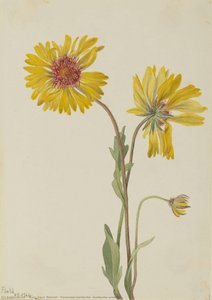
Mary Morris Vaux Walcott (July 31, 1860 – August 22, 1940) was an American artist and naturalist known for her watercolor paintings of wildflowers. She has been called the "Audubon of Botany." == Life == Vaux was born in Philadelphia, Pennsylvania...
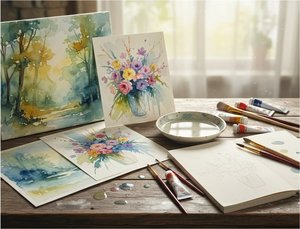
Mary Morris Vaux Walcott, a name synonymous with botanical precision and artistic grace, emerged from a world steeped in the quiet values of 19th-century Philadelphia’s Quaker society. Born in 1860 to Sarah and George Vaux, a family distinguished by both wealth and intellectual curiosity, Mary’s early life was one of privilege and encouragement. This upbringing, characterized by a reverence for nature and a commitment to meticulous observation, laid the foundation for her extraordinary career as an artist and naturalist. While societal expectations often confined women to domestic pursuits, the Vaux family fostered Mary's burgeoning talent, gifting her a set of watercolors at the tender age of eight – a gesture that would irrevocably alter the course of her life. Her initial explorations weren’t merely exercises in aesthetic representation; they were nascent attempts to capture the delicate beauty and intricate details of the floral world surrounding her. This early dedication wasn't isolated, however. The family farm provided practical experience alongside artistic inspiration, instilling a deep connection to the land that would later define her work.
The Canadian Rockies: A Landscape Inspiring Scientific Illustration
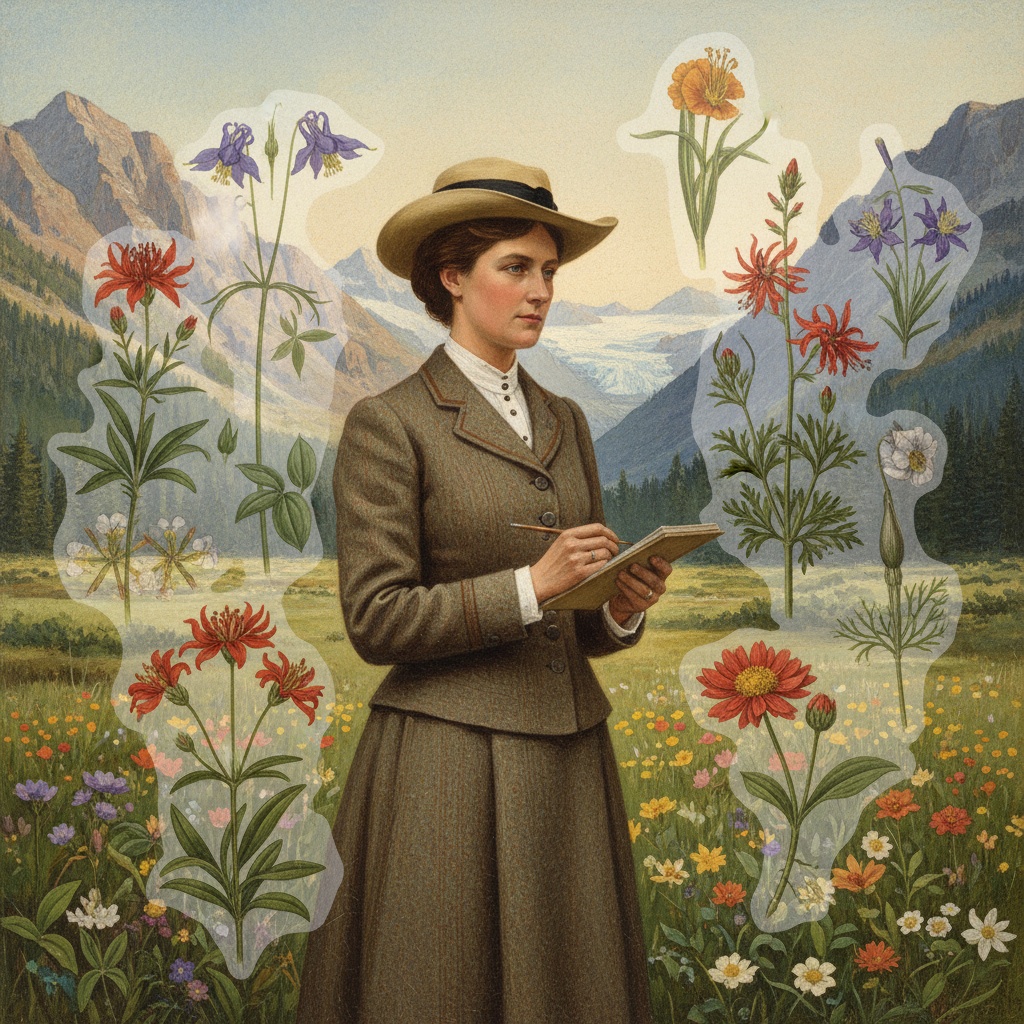
A pivotal shift in Mary’s artistic trajectory occurred with the Vaux family’s annual summer excursions to the majestic Canadian Rockies. These weren't leisurely vacations, but expeditions fueled by a shared passion for scientific inquiry. Alongside her brothers, George and William, Mary immersed herself in the study of mineralogy, meticulously documenting the region’s geological formations through drawings and photographs. However, it was the vibrant flora that truly captured her imagination. The rugged terrain and untamed beauty of the Rockies presented both a challenge and an opportunity – a chance to refine her skills while contributing to a growing understanding of the natural world. The family's pioneering spirit extended beyond scientific observation; they were among the first passengers on the newly constructed Canadian Pacific Railroad, navigating challenging landscapes and documenting their experiences with remarkable detail. These journeys weren’t simply about recording what *was*, but also about capturing a sense of place—the sheer scale of the mountains, the ephemeral quality of wildflowers blooming in remote locations.
Watercolor Technique & Botanical Accuracy: The 'Audubon of Botany'
 Wikipedia: Botanical illustration
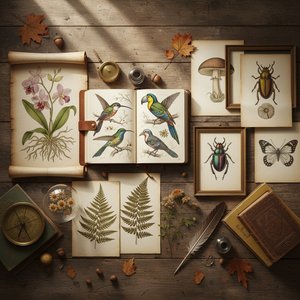
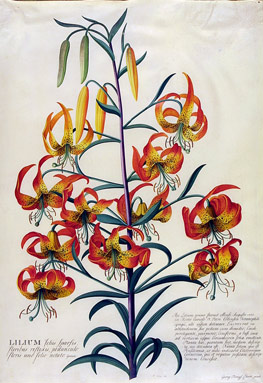
Botanical illustration is the art of depicting the form, color, and details of plant species. They are generally meant to be scientifically descriptive about subjects depicted and are often found printed alongside a botanical description in books, m...
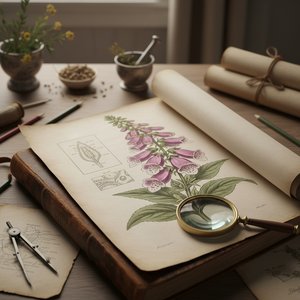
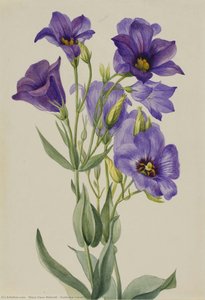
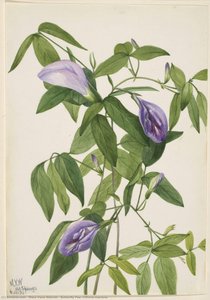
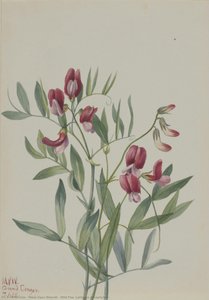
Mary Vaux Walcott distinguished herself not merely as an artist who painted flowers, but as a botanical illustrator dedicated to scientific accuracy. Her watercolors weren’t romantic interpretations; they were precise records of species, meticulously rendered with an unwavering attention to detail. She developed a technique that balanced artistic sensitivity with rigorous observation, capturing the subtle nuances of color, form, and texture. This commitment to realism earned her the affectionate title “Audubon of Botany,” a testament to her exceptional skill and dedication. Unlike many artists of her time who worked from studio specimens, Walcott preferred to paint directly from life, braving challenging conditions to capture each flower in its natural habitat. Her process involved careful sketching in the field followed by detailed watercolor paintings completed back at camp, always striving for a scale that accurately reflected the plant’s size and proportions. This dedication extended beyond mere visual representation; she sought to understand the plant's structure, growth patterns, and ecological context.
Collaboration with Charles Doolittle Walcott & Smithsonian Contributions
The course of Mary’s life took an unexpected turn in 1914 when, at the age of 54, she married Charles Doolittle Walcott, a renowned paleontologist and Secretary of the Smithsonian Institution. This union wasn't simply a personal one; it was a meeting of minds that profoundly impacted both their lives and the field of botanical illustration. Charles recognized Mary’s exceptional talent and actively encouraged her work, providing access to resources and opportunities she might not have otherwise had. Together, they embarked on numerous expeditions to the Canadian Rockies, Charles pursuing his paleontological research while Mary continued to document the region's flora. This collaboration culminated in the publication of *North American Wild Flowers* (1925), a monumental five-volume work featuring over 400 of her illustrations accompanied by concise botanical descriptions. The proceeds from this publication were generously donated to the Smithsonian’s endowment, solidifying Mary’s commitment to scientific advancement and public education.
Legacy and Conservation Efforts: Preserving Nature Through Art
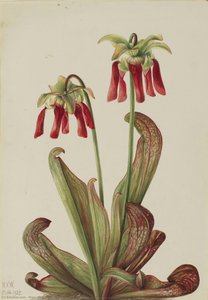
Mary Vaux Walcott's legacy extends far beyond her exquisite watercolors. She was a passionate advocate for conservation, recognizing the importance of preserving natural habitats for future generations. Her art served not only as a record of botanical diversity but also as a powerful tool for raising awareness about the fragility of ecosystems. In 1935, the Smithsonian published *Illustrations of North American Pitcher-Plants*, further showcasing her artistic skill and scientific dedication. Beyond her artistic contributions, Walcott actively participated in various conservation efforts, serving on the federal Board of Indian Commissioners from 1927 to 1932 and traveling extensively throughout the American West to advocate for the rights and well-being of Native American communities. She was also a trailblazer for women in science, becoming president of the Society of Woman Geographers in 1933 and challenging societal norms through her adventurous spirit and unwavering commitment to exploration. The mountain named after her, Mount Mary Vaux in Jasper National Park, Alberta, Canada, stands as a lasting tribute to her pioneering spirit and dedication to preserving the natural world.
Exploring the Enduring Appeal of Mary Vaux Walcott's Work
Today, Mary Vaux Walcott’s watercolors continue to captivate audiences with their exquisite detail, scientific accuracy, and artistic grace. Her work offers a unique glimpse into the beauty and diversity of North American flora, reminding us of the importance of preserving our natural heritage. The enduring appeal of her paintings lies not only in their aesthetic qualities but also in the story they tell—a story of dedication, perseverance, and a deep connection to the land. Walcott’s legacy inspires artists and scientists alike, demonstrating the power of art as a tool for scientific discovery and conservation advocacy. Her meticulous approach and unwavering commitment to realism set a new standard for botanical illustration, influencing generations of artists and naturalists. At ArtsDot.com, we are proud to offer reproductions of her stunning watercolors, allowing you to bring the beauty and artistry of Mary Vaux Walcott into your own home and celebrate the enduring legacy of this remarkable woman.