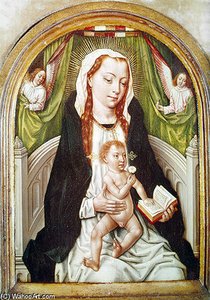
Master of the Legend of Saint Ursula (1436–1505)
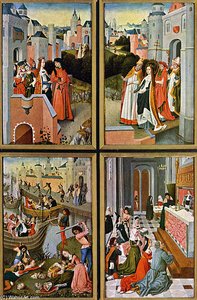
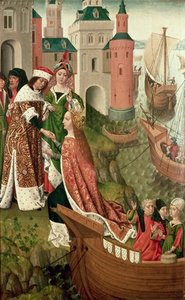
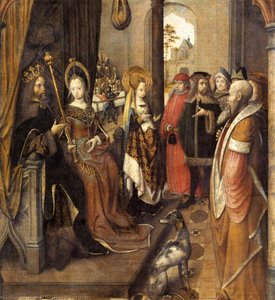
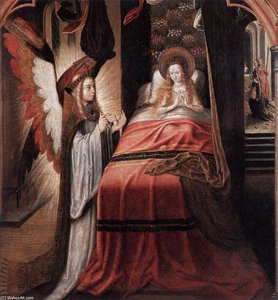
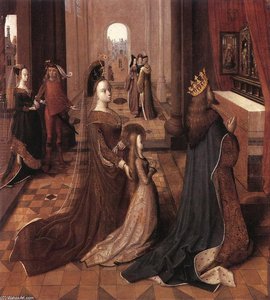
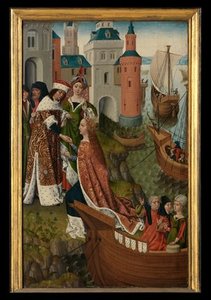
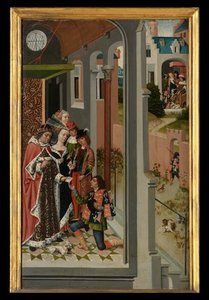
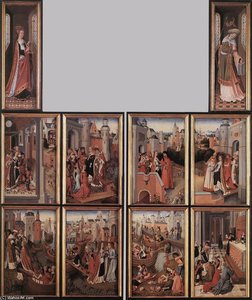
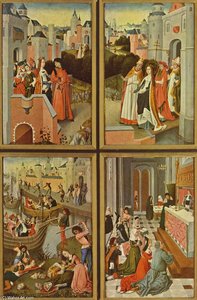
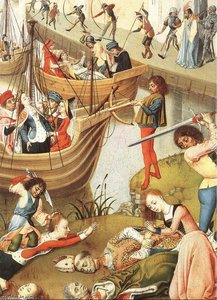
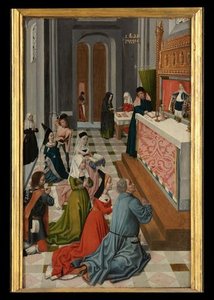
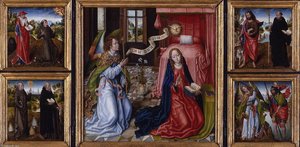
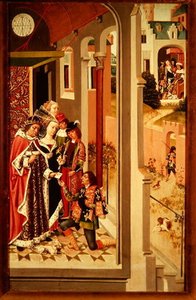
The Master of the Legend of St. Ursula, a Flemish painter whose identity remains elusive despite extensive scholarly investigation, flourished in Bruges during the late fifteenth century—a period marked by unparalleled artistic innovation and cultural dynamism within the Habsburg Netherlands. His name derives from an altarpiece consisting of eight panels depicting scenes from Saint Ursula’s Life, commissioned for the convent of the Black Sisters in Bruges around 1480-1500. This monumental work, now housed in the Groeningemuseum, stands as a cornerstone of Early Netherlandish art and exemplifies the stylistic convergence occurring at the time—a harmonious blend of influences from Rogier van der Weyden and Hans Memling.- Early Life & Training: Precise biographical details concerning Pieter Casenbroot’s origins are scarce. Records indicate he was registered in Bruges’ guild of saddlemakers and sculptors in 1460, suggesting a modest upbringing and an artisan’s apprenticeship rather than aristocratic patronage. However, his artistic talent quickly surpassed conventional expectations, attracting the attention of prominent artists like Dieric Bouts and Hans Memling—figures who undoubtedly shaped his formative years and instilled within him a profound understanding of humanist ideals and artistic craftsmanship.
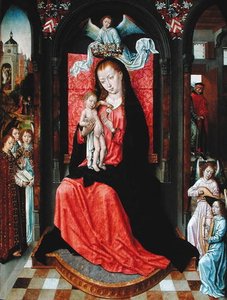
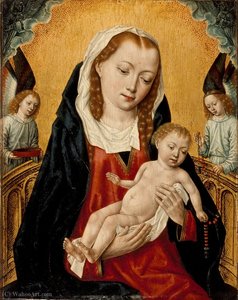
- Style & Technique: The Master’s distinctive style is characterized by meticulous realism combined with symbolic richness—a hallmark of the Bruges School. His paintings demonstrate an exceptional command of oil paint, achieving unparalleled luminosity and textural detail. He skillfully employed glazing techniques to create atmospheric depth and evoke emotional resonance, mirroring the artistic achievements of Memling and Rogier van der Weyden.
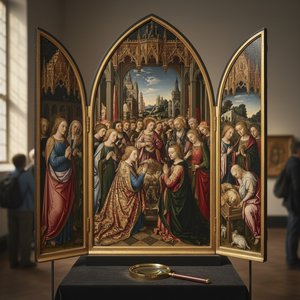
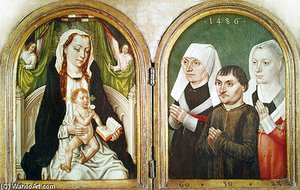
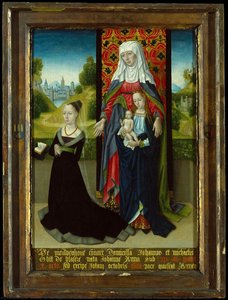
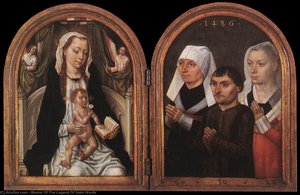
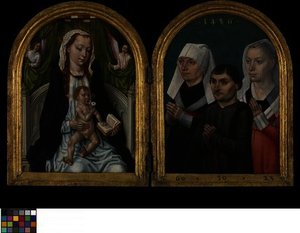
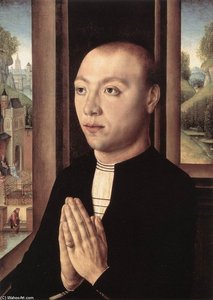
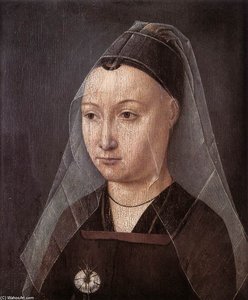
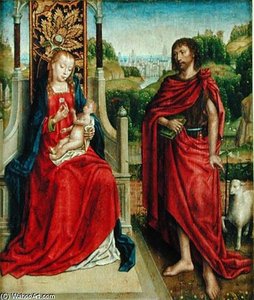
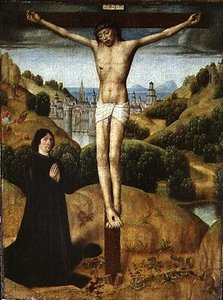
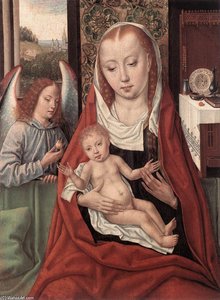
- Notable Works: Among his surviving oeuvre are several masterpieces that illuminate the breadth of his artistic vision. The *Triptych of the Nativity* (Detroit Institute of Art), dating from approximately 1495-1500, showcases Memling’s influence in its compositional balance and refined decorative elements. Similarly, the *Virgin and Child with Three Donors* (Antwerp Koninklijk Museum voor Schone Kunsten) exemplifies Rogier van der Weyden's expressive realism and masterful use of color—a testament to his artistic prowess. Furthermore, portraits such as *Portrait of a Donor* (Philadelphia Museum of Art), attributed to Lodovico Portinari, reveal an acute sensitivity to psychological portraiture.
- Influence & Legacy: The Master’s contribution to Early Netherlandish painting extends beyond individual artworks; he established a stylistic precedent that resonated throughout the artistic landscape of his era. His meticulous observation of nature and his incorporation of humanist ideals—particularly those championed by Erasmus—influenced subsequent generations of artists, fostering a tradition of intellectual engagement alongside technical virtuosity.
- Rediscovery & Recognition: Despite the loss of numerous paintings during World War II, scholarly research has steadily reconstructed the Master’s artistic career, culminating in a comprehensive reassessment of his oeuvre and its significance within European art history. The meticulous attribution of fragments to him—aided by stylistic analysis and iconographic comparisons—has solidified his position as one of the most important artists of the fifteenth century—a figure whose legacy continues to inspire admiration and scholarly debate today.