Mirabello Cavalori (Salincorno): A Florentine Pioneer of Dynamic Portraiture
Mirabello d'Antonio di Pacino Cavalori, known affectionately as Salincorno – a moniker derived from his birthplace – stands as a pivotal figure in the artistic landscape of Florence during the High Renaissance. Born around 1535 in Salincorno, a hamlet near Florence, he emerged as one of the foremost painters of his time, leaving an indelible mark on Florentine art and establishing himself as a founding member of the Accademia del Disegno. This influential institution, established in 1569, aimed to elevate artistic standards and foster innovation—a mission Cavalori wholeheartedly embraced, shaping its early trajectory alongside Benedetto Buonafuoco and Federico Zuccarelli.
- Early Life & Training: Little is known definitively about Cavalori’s formative years beyond his birthplace. He apprenticed under Andrea del Sarto, arguably Florence's most celebrated painter of the era, absorbing the stylistic precepts of Mannerism – characterized by elongated figures, stylized poses, and a deliberate manipulation of perspective—a style that would profoundly influence his subsequent artistic endeavors.
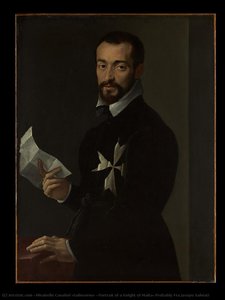
- The Accademia del Disegno & Artistic Vision: Cavalori’s involvement with the Accademia del Disegno wasn't merely professional; it represented a commitment to upholding humanist ideals and promoting realistic representation. He championed the study of anatomy and insisted on meticulous observation as prerequisites for artistic excellence. This dedication fueled his ambition to depict human subjects with unparalleled psychological depth, moving beyond mere likeness to convey emotion and character.
Cavalori’s oeuvre is distinguished by its dynamism and expressive power—traits particularly evident in his portraits and genre scenes. Unlike many of his contemporaries who adhered rigidly to established conventions, he possessed a rebellious spirit that propelled him to experiment with innovative techniques and compositional arrangements. He skillfully blended Mannerist influences with elements of Umbrian realism, resulting in canvases imbued with vibrant color palettes and masterful draughtsmanship. His ability to capture fleeting expressions and subtle nuances of emotion distinguishes him from other artists of his time.
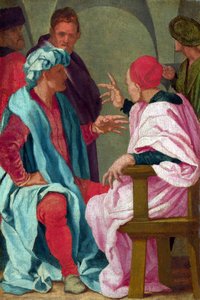
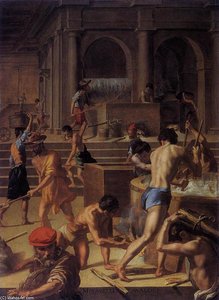
- Notable Works: Among Cavalori’s most celebrated paintings are “Wool Factory,” a monumental depiction capturing the bustling activity of Florentine textile production, and “A Discussion,” which portrays a scene of intellectual exchange with remarkable sensitivity to gesture and facial expression. These works exemplify his commitment to portraying everyday life with artistic integrity.
- Influence & Legacy: Cavalori’s influence extended beyond his immediate circle within the Accademia del Disegno. He mentored younger artists, fostering a tradition of anatomical study and expressive realism that would continue to resonate throughout Florentine art for decades to come. His pioneering approach to portraiture established him as a forerunner of Baroque painting—a stylistic shift marked by dramatic lighting and heightened emotional intensity.
Despite his relatively brief artistic career – he died in Florence around 1572 – Mirabello Cavalori’s contribution to Florentine art remains substantial. He solidified the Accademia del Disegno's reputation as a bastion of humanist scholarship and artistic innovation, shaping the stylistic trajectory of an entire generation of painters. His enduring legacy resides not only in his masterful paintings but also in his unwavering belief that art should serve as a conduit for understanding human experience—a conviction that continues to inspire artists today.