The Pioneering Spirit of Norwich Manufacturing Company
The story of the Norwich Manufacturing Company is less a tale of individual artistic genius and more a fascinating chronicle of early American industrial innovation, specifically within the realm of everyday objects – shoes. Emerging from the bustling manufacturing hub of Norwich, Connecticut, in the 19th century, this company wasn’t focused on grand canvases or sculpted forms; instead, it dedicated itself to the practical art of footwear production. While a definitive biographical account of specific founders and key figures remains elusive, the historical record reveals a firm deeply interwoven with the broader narrative of American economic development and the rise of mass production.
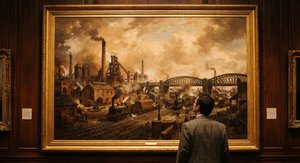
Norwich, as documented in local histories, was an early adopter of mechanized manufacturing processes. The impetus for this came from individuals like Elijah Backus, whose ironworks laid the groundwork for subsequent industries. The Norwich Manufacturing Company capitalized on this environment, becoming a significant player in supplying shoes to a rapidly growing nation. Their work wasn’t about artistic expression in the traditional sense; it was about efficiency, affordability, and meeting the demands of a burgeoning consumer market. The company's success stemmed from its ability to adapt new technologies and streamline production methods.
The Art of Practicality: Shoes as Cultural Artifacts
To understand the significance of Norwich Manufacturing Company’s output, one must consider the role shoes played in 19th-century American life. Before widespread industrialization, footwear was often crafted by hand, making it a relatively expensive and time-consuming commodity. The advent of factories like Norwich's democratized access to shoes, allowing a wider segment of the population to participate in commerce and daily life with greater comfort and practicality. Their shoes weren’t merely functional items; they were symbols of social mobility, economic participation, and even personal identity.
The surviving examples of their work – often simple yet sturdy designs – offer glimpses into the aesthetic preferences of the era. While not overtly decorative, these shoes reflect a focus on durability and practicality. The materials used—leather, wood, and basic stitching techniques—speak to the resourcefulness of the time. Examining these artifacts allows us to appreciate the craftsmanship involved in early mass production, even as it moved away from purely artisanal methods.
Influence and Context: A Network of Industry
Norwich Manufacturing Company didn’t operate in isolation. It was part of a larger network of industries that fueled American economic growth. Companies like Whitehead & Hoag, known for their transferware pottery, and Milton Bradley, famous for board games, represent other facets of this industrial landscape. These firms shared similar characteristics: an emphasis on innovation, mass production, and catering to the needs of a growing middle class.
The historical context is crucial. The rise of factories like Norwich’s coincided with significant social and economic changes, including urbanization, immigration, and the expansion of transportation networks. These factors created both demand for manufactured goods and opportunities for companies willing to embrace new technologies. It's important to note that this period also saw the emergence of labor movements advocating for better working conditions in factories—a complex aspect of the company’s historical legacy.
Legacy and Historical Significance
While Norwich Manufacturing Company may not be a household name today, its contribution to American industrial history is undeniable. The firm exemplified the spirit of innovation that characterized the 19th century, demonstrating how mass production could transform everyday objects and make them accessible to a wider audience. Their shoes, though seemingly humble artifacts, represent a pivotal moment in the evolution of American commerce and consumer culture.
The company’s story serves as a reminder that artistic expression isn't limited to traditional fine arts. It can also be found in the ingenuity of manufacturing processes, the design of functional objects, and the impact those objects have on society. Norwich Manufacturing Company, through its dedication to producing affordable and practical footwear, left an enduring mark on the American landscape.