Pieter Bruegel the Elder: A Window into 16th-Century Life
Pieter Bruegel, the Elder – a name synonymous with the vibrant and often unsettling scenes of peasant life that defined much of Northern Renaissance art. Born around 1525 in Breda, a city nestled within the Duchy of Brabant (now part of Belgium), Bruegel’s artistic journey spanned decades, culminating in a body of work that continues to captivate and provoke thought centuries later. He wasn't merely a painter; he was a keen observer of humanity, capturing not just appearances but also the rhythms, anxieties, and simple joys of everyday existence – a perspective remarkably rare for artists of his time.
Early Life and Apprenticeship
The precise details of Bruegel’s early life remain somewhat shrouded in mystery. Historians generally agree that he was born around 1525, likely in Breda, a bustling trading center at the time. However, pinpointing his exact birthdate is difficult, and much of what we know about his formative years comes from the accounts of Carel van Mander’s *Het Schilderboeck* (Book of Painters), published posthumously in 1604 – nearly half a century after Bruegel's death. According to Van Mander, Bruegel began his artistic training under the tutelage of Pieter Coecke van Aelst, a prominent Antwerp artist known for his versatility as a sculptor, architect, and tapestry designer. This apprenticeship provided Bruegel with a solid foundation in various artistic techniques, but it was during this period that he began to develop his distinctive style – one characterized by its earthy realism, meticulous detail, and often subtly satirical commentary.
A Master of Landscape and Peasant Life
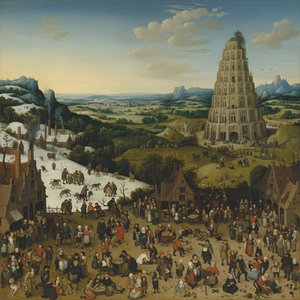
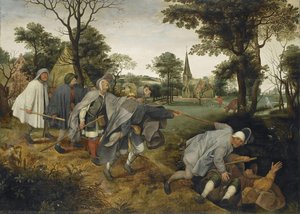
Bruegel’s artistic evolution is marked by a gradual shift in focus. Initially, he produced landscapes—often imbued with the atmospheric qualities of the Flemish countryside. These early works demonstrate a clear debt to the traditions of Flemish landscape painting, but they quickly evolved into something more profound. Around 1560, Bruegel began to depict scenes of peasant life – harvests, festivals, hunts, and everyday chores. These paintings are not simply idyllic representations; they offer a nuanced portrayal of rural society, revealing both its beauty and its hardships. He captured the communal spirit of village celebrations alongside the relentless toil of agricultural labor, presenting a complex and often ambiguous view of human existence.
- The Peasant Wedding (1567): A prime example of Bruegel’s ability to capture both the joy and the chaos of a communal event.
- The Goldsmith (1564): Illustrates the relentless pursuit of wealth and the moral compromises that can accompany it.
- Hay Harvest (1565): A masterful depiction of rural labor, emphasizing the physical exertion and seasonal rhythms of peasant life.
Technique and Influences
Bruegel’s artistic technique was remarkably sophisticated for his time. He employed a meticulous attention to detail, rendering textures with astonishing accuracy – from the rough bark of trees to the folds of clothing. His use of color was equally impressive, creating a sense of depth and atmosphere through subtle gradations and contrasts. While he initially drew inspiration from the Flemish landscape tradition, Bruegel’s work also reveals influences from Italian Renaissance art, particularly the works of Leonardo da Vinci and Raphael. He skillfully integrated classical motifs into his compositions, adding a layer of intellectual sophistication to his depictions of peasant life.
Legacy and Historical Significance
Pieter Bruegel, the Elder, left an indelible mark on the history of art. His paintings offer a unique window into 16th-century society, revealing both the beauty and the brutality of rural life. He was one of the first artists to depict peasant life with such honesty and psychological depth, paving the way for future generations of artists who sought to capture the realities of everyday existence. His sons, Jan Bruegel the Younger and Pieter Bruegel the Son, continued his artistic legacy, further developing and expanding upon his distinctive style. Today, Bruegel’s paintings are celebrated in museums around the world, serving as a testament to his genius and enduring appeal.
Bruegel's work is not merely decorative; it’s a social commentary, a meditation on human nature, and a remarkable achievement of artistic observation. He remains one of the most important figures in Northern Renaissance art, offering viewers a timeless perspective on the complexities of life itself.