 Preview
 Send
Send Share
Share
 Details

 Download
 Similars
 X-Ray
X-Ray Diaporama
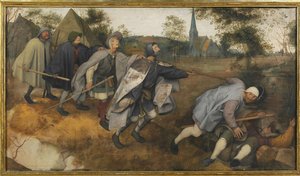
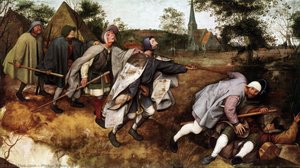
The Blind Leading the Blind, circa1568
 Acrylic On Canvas
- WallArt
- Northern Renaissance
 122.0 x 170.0 cm
 Grand Palais
 Read More
Hand Made Oil Reproduction
Hand-painted oil on canvas in your size and frame, made to order by our artists. ( Buy Print Buy Image)




P118B $10

P118H $10

P118W $10

P438Z $10

P508JH $12

P508YH $12

P805H $10

P805Z $10

P919BZ $10

P919G $10

P919XJ $10

P959ZH $10

P968JZ $12

W106C $8

W218G $10

W218JH $8

W218Y $10

W307PJ $10

W316G $10

W316PJ $8

W316Y $10

W398PJ $8

W4111J $10

W500HY $15

W500JH $15

W692G $12

W849H $8

W940BG $15

W953PJ $8




Pick from our preset sizes that match the artwork's original proportions.

You may enter your own dimensions to fit a specific frame or space. If your selected size does not match the original image's proportions, we will either crop the artwork or extend the painting with additional hand-painted elements. A digital mockup will be sent for your approval before production begins.
Please note that the on-screen preview does not reflect the actual cropping or extension. Only the mockup will accurately show the final composition.
While custom sizes are available, we recommend selecting a dimension from the predefined list to preserve the original proportions.
After order, ArtsDot.com team will email client for instructions and provide a mockup preview
Worldwide Delivery () in 3/4 weeks instead of standard 5 weeks. (16 August). No compromise on quality.

Free Worldwide Express Shipping

High-Quality Linen Canvas

Full Shipping Insurance

Customs Tax Refund Guarantee

True Color Matching Guarantee

60-Day Return Policy (Defects Only)

100% Money-Back Guarantee

Bulk Discount Offer
 Glass option is only available in size under 110 CM

The Blind Leading the Blind, circa1568
Reproduction Medium
Reproduction Size
-


Total Price
$ 263
Artwork Description
The Blind Leading the Blind – A Chronicle of Human Fallibility
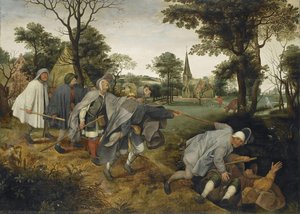
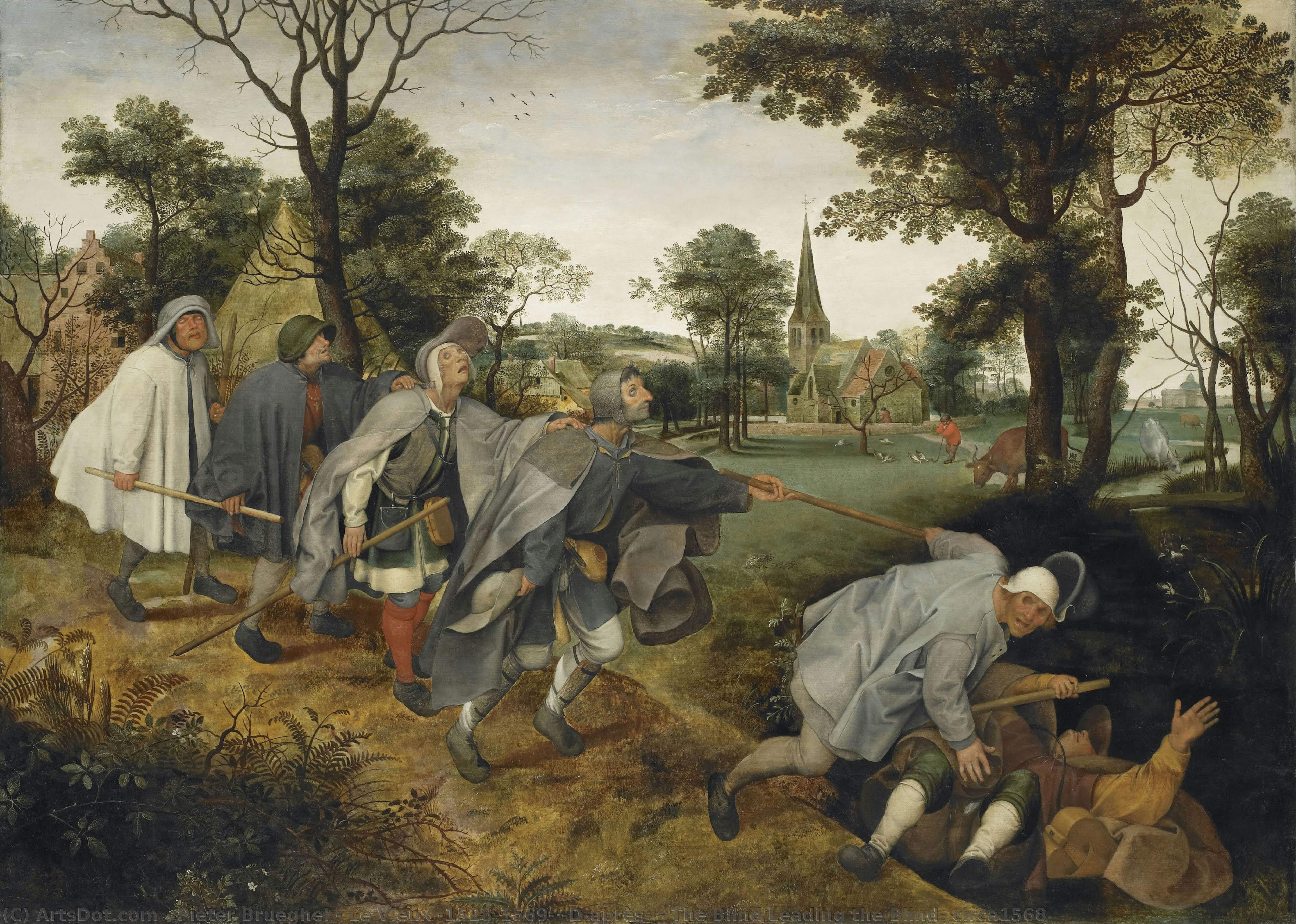
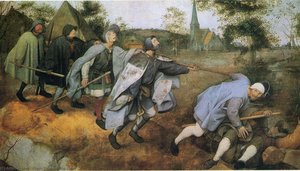
Pieter Bruegel the Elder’s “The Blind Leading the Blind,” completed around 1568, isn't merely a painting; it’s a profound meditation on human folly, societal delusion, and the perilous nature of following blindly. Born in Breda during a turbulent period of religious upheaval in the Netherlands – a time marked by Spanish rule and simmering unrest – Bruegel possessed an unparalleled ability to distill the complexities of everyday life onto canvas. This particular work, housed within the prestigious Museo di Capodimonte in Naples, offers a starkly realistic yet subtly satirical depiction of a biblical parable, transforming a simple story into a timeless commentary on human behavior. The scene unfolds within a small village setting, dominated by a winding path that leads a procession of six figures – all blind men – away from the viewer. Their faces are etched with varying degrees of disfigurement and distress, each bearing unique signs of impaired vision, hinting at different forms of blindness beyond mere physical impairment. They hold onto one another for support, their movements suggesting a desperate, yet ultimately futile, attempt to navigate their way forward. The composition is masterfully constructed; the diagonal lines created by the path and the figures’ bodies draw the eye relentlessly into the heart of the scene, amplifying the sense of disorientation and impending doom. The muted color palette – dominated by earthy browns, grays, and ochres – reinforces the painting's somber mood, mirroring the bleakness of the situation depicted.A Masterclass in Flemish Realism
Bruegel’s technical prowess is immediately evident in “The Blind Leading the Blind.” Executed in distemper on linen canvas—a technique favored for its luminous quality and ability to capture subtle tonal variations—the painting showcases his meticulous attention to detail. He doesn't shy away from depicting the imperfections of human form, rendering the blind men’s faces with a raw honesty that underscores their vulnerability. The artist’s use of *chiaroscuro* – the dramatic interplay of light and shadow – adds depth and volume to the scene, emphasizing the figures’ physical presence and creating a palpable sense of atmosphere. Notice how Bruegel skillfully employs texture to convey the roughness of the path beneath their feet, the worn fabric of their clothing, and the weathered surfaces of the buildings in the background. The landscape itself is rendered with remarkable precision, capturing the rolling hills and distant trees characteristic of the Flemish countryside. This commitment to realism wasn’t simply a matter of technical skill; it was integral to Bruegel's artistic vision—he sought to depict the world as he saw it, without embellishment or idealization.Symbolism and the Weight of Faith
The painting’s narrative is rooted in the biblical parable of Matthew 15:14, which describes Jesus warning against leading others astray through ignorance. However, Bruegel transcends a simple illustration of this story, imbuing it with layers of symbolic meaning. The blind men represent not only those who are physically unable to see but also individuals who are willfully blind to truth and reason – those who follow blindly without questioning or critical thought. The fact that they are all holding onto each other suggests a shared vulnerability and dependence, highlighting the dangers of collective delusion. The village itself can be interpreted as a microcosm of society—a place where appearances often deceive and where individuals are easily misled. Even the presence of St. Anna’s Church in the background subtly underscores the painting's themes of faith and guidance, suggesting that true vision comes not from outward appearance but from inner understanding. The inclusion of a cowherd in the distance adds another layer of complexity, hinting at the mundane realities of rural life and the potential for both wisdom and folly within everyday experiences.A Legacy of Observation and Social Commentary
Pieter Brueghel the Elder’s legacy extends far beyond this single masterpiece. He was a pivotal figure in the development of Northern Renaissance art, pioneering a style characterized by its unflinching realism, social commentary, and profound psychological insight. His paintings offer a rare glimpse into the lives of ordinary people—peasants, laborers, and merchants—revealing their hopes, fears, and struggles with remarkable honesty. Following his father’s death in 1569, Brueghel continued to work alongside his brother Jan Brueghel the Younger, establishing a prolific workshop that produced hundreds of paintings inspired by his father's style. The younger Brueghel’s output significantly expanded the reach and influence of his family’s artistic legacy, ensuring that Pieter Bruegel’s profound observations about human nature would continue to resonate with audiences for centuries to come. “The Blind Leading the Blind” stands as a testament to this enduring power—a haunting reminder of the importance of critical thinking, independent judgment, and the potential pitfalls of blindly following the crowd.Related Artworks
Artist Biography
Pieter Bruegel the Elder: A Window into 16th-Century Life
Pieter Bruegel, the Elder – a name synonymous with the vibrant and often unsettling scenes of peasant life that defined much of Northern Renaissance art. Born around 1525 in Breda, a city nestled within the Duchy of Brabant (now part of Belgium), Bruegel’s artistic journey spanned decades, culminating in a body of work that continues to captivate and provoke thought centuries later. He wasn't merely a painter; he was a keen observer of humanity, capturing not just appearances but also the rhythms, anxieties, and simple joys of everyday existence – a perspective remarkably rare for artists of his time.
Early Life and Apprenticeship
The precise details of Bruegel’s early life remain somewhat shrouded in mystery. Historians generally agree that he was born around 1525, likely in Breda, a bustling trading center at the time. However, pinpointing his exact birthdate is difficult, and much of what we know about his formative years comes from the accounts of Carel van Mander’s *Het Schilderboeck* (Book of Painters), published posthumously in 1604 – nearly half a century after Bruegel's death. According to Van Mander, Bruegel began his artistic training under the tutelage of Pieter Coecke van Aelst, a prominent Antwerp artist known for his versatility as a sculptor, architect, and tapestry designer. This apprenticeship provided Bruegel with a solid foundation in various artistic techniques, but it was during this period that he began to develop his distinctive style – one characterized by its earthy realism, meticulous detail, and often subtly satirical commentary.
A Master of Landscape and Peasant Life
Bruegel’s artistic evolution is marked by a gradual shift in focus. Initially, he produced landscapes—often imbued with the atmospheric qualities of the Flemish countryside. These early works demonstrate a clear debt to the traditions of Flemish landscape painting, but they quickly evolved into something more profound. Around 1560, Bruegel began to depict scenes of peasant life – harvests, festivals, hunts, and everyday chores. These paintings are not simply idyllic representations; they offer a nuanced portrayal of rural society, revealing both its beauty and its hardships. He captured the communal spirit of village celebrations alongside the relentless toil of agricultural labor, presenting a complex and often ambiguous view of human existence.
- The Peasant Wedding (1567): A prime example of Bruegel’s ability to capture both the joy and the chaos of a communal event.
- The Goldsmith (1564): Illustrates the relentless pursuit of wealth and the moral compromises that can accompany it.
- Hay Harvest (1565): A masterful depiction of rural labor, emphasizing the physical exertion and seasonal rhythms of peasant life.
Technique and Influences
Bruegel’s artistic technique was remarkably sophisticated for his time. He employed a meticulous attention to detail, rendering textures with astonishing accuracy – from the rough bark of trees to the folds of clothing. His use of color was equally impressive, creating a sense of depth and atmosphere through subtle gradations and contrasts. While he initially drew inspiration from the Flemish landscape tradition, Bruegel’s work also reveals influences from Italian Renaissance art, particularly the works of Leonardo da Vinci and Raphael. He skillfully integrated classical motifs into his compositions, adding a layer of intellectual sophistication to his depictions of peasant life.
Legacy and Historical Significance
Pieter Bruegel, the Elder, left an indelible mark on the history of art. His paintings offer a unique window into 16th-century society, revealing both the beauty and the brutality of rural life. He was one of the first artists to depict peasant life with such honesty and psychological depth, paving the way for future generations of artists who sought to capture the realities of everyday existence. His sons, Jan Bruegel the Younger and Pieter Bruegel the Son, continued his artistic legacy, further developing and expanding upon his distinctive style. Today, Bruegel’s paintings are celebrated in museums around the world, serving as a testament to his genius and enduring appeal.
Bruegel's work is not merely decorative; it’s a social commentary, a meditation on human nature, and a remarkable achievement of artistic observation. He remains one of the most important figures in Northern Renaissance art, offering viewers a timeless perspective on the complexities of life itself.
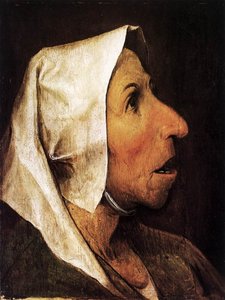
pieter brueghel , le vieux (1528-1569) (d'après)
1525 - 1569 , Netherlands
Quick Facts
- Artistic Movement Or Style: Flemish Renaissance
- Artists Or Movements Influenced By This Artist: ['His sons, Jan & Pieter']
- Artists Who Influenced This Artist: ['Pieter Coecke van Aelst']
- Date Of Birth: 1525
- Full Name: Pieter Bruegel the Elder
- Nationality: Flemish
- Notable Artworks:
- Peasant Wedding
- Hunters in the Snow
- The Goldsmith
- Fall of the Innocents
- Place Of Birth: Breda, Brabant
Related Articles
Jan Brueghel the Elder: A Master of Flemish Landscape & Allegory – Exploring Innovation & Influence
Explore the captivating world of Jan Brueghel the Elder, a Flemish Baroque master renowned for his stunning landscapes & allegorical paintings. Discover his collaborations with Rubens and lasting artistic legacy.
Pieter Bruegel the Elder: A Master of Genre, Landscape & Social Commentary
Explore the life & art of Pieter Bruegel the Elder, a pivotal figure of the Renaissance. Discover his groundbreaking genre scenes, symbolic landscapes, and lasting influence on art history. Learn more at ArtsDot.
Kunsthistorisches Museum's Masterpieces: 25 Art Treasures for Your Home | ArtsDot
Journey through 25 iconic artworks at Vienna's Kunsthistorisches Museum! Explore masterpieces by Raphael, Rembrandt & Vermeer. Discover art history, techniques & find museum-quality reproductions for your home on ArtsDot.com.
Northern Renaissance Masters: 10 Artworks That Shaped History |
Journey through the Northern Renaissance! Explore 10 iconic paintings by Jan van Eyck, Dürer & Bosch. Discover their stories, techniques & lasting impact. Find museum-quality art reproductions & elevate your home decor on .
David Teniers II: Master of Flemish Genre & Social Commentary
Explore the captivating world of David Teniers II, a leading Flemish Baroque painter renowned for his lively genre scenes & insightful social commentary. Discover his masterpieces and legacy with ArtsDot.