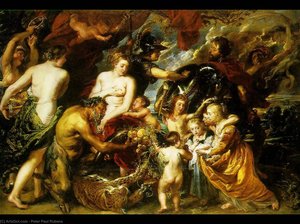
Early Life & Training: The Foundations of a Flemish Master
Jan Brueghel the Elder, born in Brussels in 1568, inherited an extraordinary artistic lineage. As the son of Pieter Bruegel the Elder – that titan of Northern Renaissance peasant scenes and evocative landscapes – young Jan was destined for greatness, though his path would diverge in fascinating ways from his father’s iconic style. Sadly, Pieter Brueghel the Elder passed away when Jan was just a year old, leaving the boy and his siblings to be raised by their grandmother, Mayken Verhulst, herself a respected artist of considerable talent. This early nurturing within an artistic household proved pivotal; Mayken instilled in Jan a foundational understanding of drawing and watercolor techniques, laying the groundwork for his future mastery.
While details of his formal training remain somewhat elusive, it’s believed that after his mother's death in 1578, Jan and his brother Pieter Brueghel the Younger were apprenticed to Peter Goetkint in Antwerp. However, this period was cut short by Goetkint’s untimely demise. The young Brueghel’s artistic development wasn’t confined to workshops; a transformative journey to Italy beckoned, a common practice for aspiring Flemish artists seeking refinement and inspiration.
The Italian Influence: Shaping Brueghel’s Artistic Vision
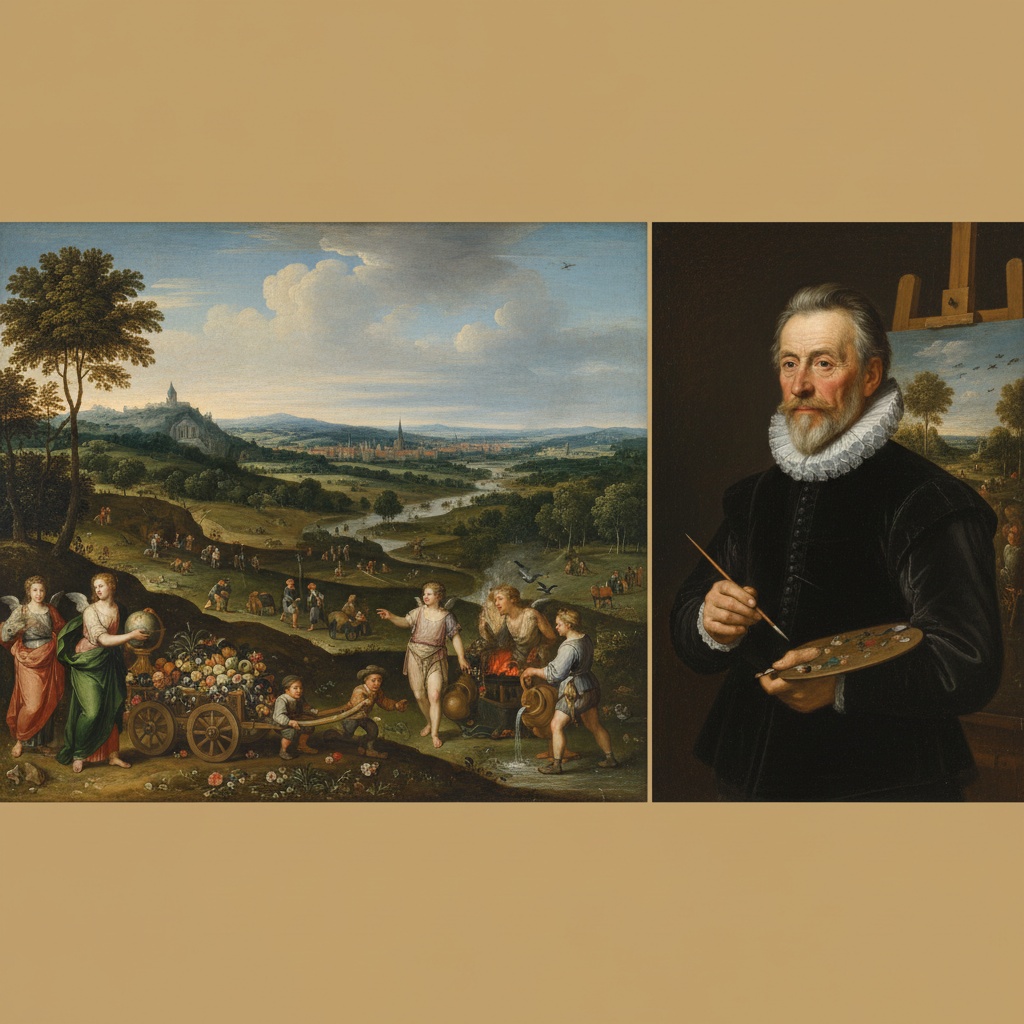
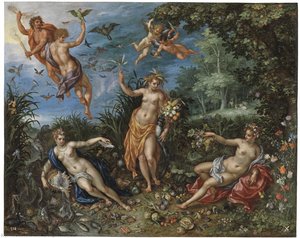 The abundance and the four elements 1
Explore Jan Brueghel the Elder’s "The Abundance & The Four Elements" – a stunning Baroque allegory of fertility & nature's bounty. Rich detail, dynamic composition & classical themes.
Brueghel's sojourn in Italy, beginning around 1590, proved profoundly influential. He initially travelled through Cologne and Frankenthal before settling in Naples, where he worked for Don Francesco Caracciolo, a prominent nobleman with discerning artistic tastes. This patronage provided access to a world of classical art and burgeoning Baroque sensibilities. However, it was his time in Rome, from 1592 to 1594, that truly solidified his unique style. He befriended Paul Bril, another Flemish landscape artist working in Italy, and immersed himself in the vibrant artistic milieu of the city.
The Italian experience instilled in Brueghel a love for detailed observation, a refined color palette – earning him the nickname “Velvet Brueghel” for his masterful rendering of fabrics – and an appreciation for allegorical themes. He absorbed the influence of artists like Giovanni Battista Paggi and Federico Zuccari, but crucially, he didn’t simply imitate; instead, he synthesized these influences with his Northern European heritage, creating a distinctive blend of precision and dynamism that would become his hallmark.
Collaboration with Rubens: A Partnership of Baroque Giants
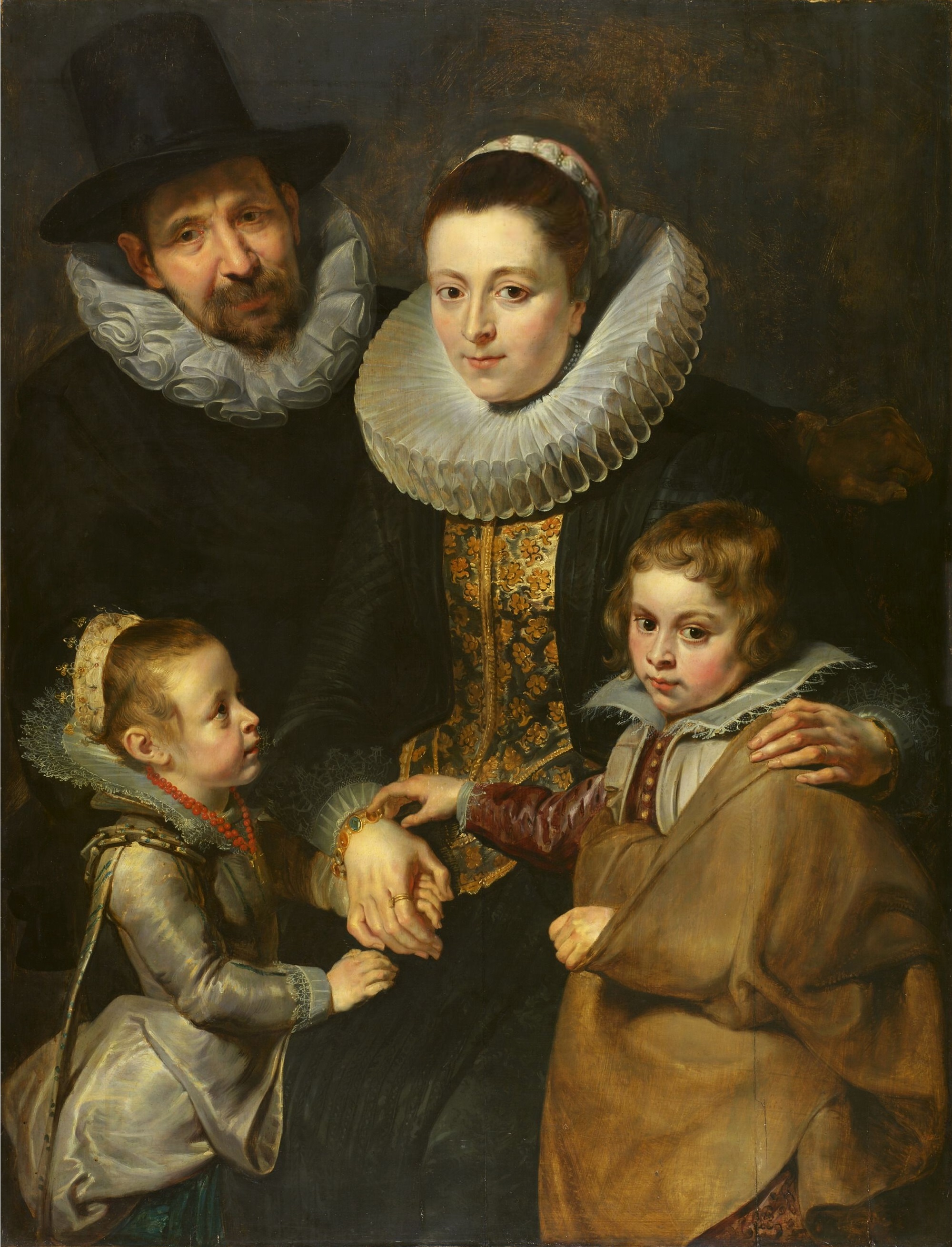 Wikipedia: Jan Brueghel the Elder
Jan Brueghel (also Bruegel or Breughel) the Elder ( BROY-gəl, US also BROO-gəl; Dutch: [ˈjɑm ˈbrøːɣəl] ; 1568 – 13 January 1625) was a Flemish painter and draughtsman. He was the younger son of the eminent Flemish Renaissance painter Pieter Bruegel ...
Upon returning to Antwerp in 1596, Jan Brueghel forged an extraordinary artistic partnership with Peter Paul Rubens. This collaboration, lasting from approximately 1602-1608, resulted in a series of magnificent allegorical paintings depicting the five senses – Sight, Smell, Taste, Hearing, and Touch. These works are not merely decorative; they represent a sophisticated exploration of human perception and experience.
The division of labor was often strategic: Rubens typically painted the figures, imbuing them with dramatic energy and emotional intensity, while Brueghel focused on the intricate landscapes and still lifes that formed the backdrop. This synergy created paintings of unparalleled richness and complexity. Beyond the Five Senses series, they collaborated on *The Garden of Eden*, a breathtaking depiction of paradise teeming with exotic flora and fauna. Their partnership wasn’t simply about dividing tasks; it was a meeting of minds, each artist elevating the other's strengths.
Genre Innovation: Flower Garlands, Paradise Landscapes & Gallery Paintings
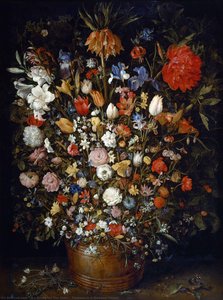
Jan Brueghel wasn’t content to merely excel in established genres; he actively *invented* new ones. He is credited with pioneering flower garland paintings – elaborate compositions of meticulously rendered blooms often encircling religious or mythological scenes – a testament to his botanical skill and compositional ingenuity. These weren't simply decorative arrangements; they were imbued with symbolic meaning, often referencing themes of vanity, mortality, and the transience of beauty.
Equally innovative were his paradise landscapes, lush and idyllic visions populated by exotic animals and figures engaged in peaceful pursuits. He also developed gallery paintings – depictions of imagined art collections within grand interiors – showcasing a sophisticated understanding of artistic connoisseurship and perspective. These works offered viewers a glimpse into the world of aristocratic taste and intellectual curiosity.
Allegory and Symbolism: Decoding the Hidden Meanings in Brueghel's Work
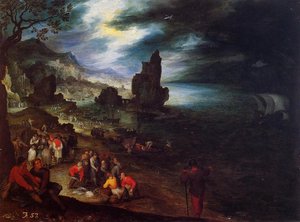 Coastal Landscape with the Sacrifice of Jonas
Explore Jan Brueghel the Elder’s dramatic ‘Coastal Landscape.’ A complex allegorical painting of greed & sacrifice, showcasing his masterful oil technique & Northern Renaissance style.
Beneath the surface beauty of Jan Brueghel’s paintings lies a complex layer of allegory and symbolism. His works are rarely straightforward depictions; they are often imbued with hidden meanings, reflecting the religious motifs and intellectual aspirations of the Catholic Counter-Reformation. For example, in *Coastal Landscape with the Sacrifice of Jonas* (1622), the dramatic scene isn’t simply a biblical narrative; it's an allegorical exploration of greed, sacrifice, and divine intervention.
The Abundance & The Four Elements, showcases fertility and nature’s bounty. Brueghel masterfully employed classical themes and dynamic composition to convey deeper messages about the harmony of the universe and the blessings of creation. His attention to detail wasn't merely aesthetic; it was a means of conveying symbolic meaning, inviting viewers to contemplate the hidden layers within his compositions.
Legacy and Influence: The Enduring Impact of Jan Brueghel the Elder
Jan Brueghel’s untimely death from cholera in 1625 cut short a remarkably prolific career. However, his artistic legacy endured through his numerous pupils and the continued popularity of his distinctive style. His workshop remained active for many years after his passing, producing paintings that carried on his traditions.
Brueghel’s influence can be seen in the work of subsequent generations of Flemish painters, particularly those specializing in flower still lifes and landscape painting. He bridged the gap between the Northern Renaissance and the Baroque period, seamlessly blending meticulous detail with dynamic composition and allegorical depth. Today, his paintings are celebrated for their exquisite beauty, intellectual complexity, and enduring appeal. At ArtsDot.com, we offer stunning reproductions of Jan Brueghel’s masterpieces, allowing you to experience the captivating world of this Flemish master in your own home.