Rodrigo Fernández: Seville’s Silent Witness to Legal History
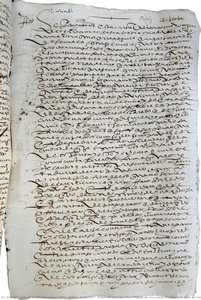
Rodrigo Fernández (born circa 1530, Seville, Spain; died after 1604) stands as a fascinating figure within the annals of sixteenth-century Spanish legal scholarship and artistic patronage. Though his biographical details remain somewhat elusive – largely obscured by the meticulous records of the Archivo Histórico Provincial de Sevilla – Fernández’s legacy persists through his enduring contribution to the preservation of Andalusian legal tradition and, crucially, through a single remarkable artwork that continues to intrigue historians and art connoisseurs alike: a meticulously crafted power of attorney issued by Miguel de Cervantes Saavedra to Juan de Tamayo. This document, now housed within the archive's collections, offers an unparalleled glimpse into the intellectual climate of its time and serves as a testament to Fernández’s dedication to documenting legal matters with precision and artistry.
- Early Life & Education: Precise information regarding Fernández’s formative years is scarce. He emerged from Seville’s vibrant intellectual milieu, inheriting a tradition of humanist scholarship deeply rooted in Greco-Roman ideals. His training likely encompassed the study of Canon Law and Roman jurisprudence—disciplines considered paramount for navigating the complexities of legal affairs during Cervantes' reign.
- Career as Notary Public: Fernández established himself as a respected notary public in Seville, specializing in matters pertaining to estate administration and property disputes. His reputation rested not merely on technical proficiency but also on an unwavering commitment to upholding ethical standards—a characteristic that aligns perfectly with the humanist ethos prevalent during Cervantes’ era.
- The Cervantes Power of Attorney: The significance of Fernández's involvement in the Cervantes power of attorney transcends mere bureaucratic formality. Cervantes, arguably Spain’s most celebrated novelist and playwright, entrusted Fernández with drafting a document concerning Tamayo’s inheritance rights—a commission that demanded exceptional attention to detail and stylistic elegance. The resulting parchment exemplifies Fernández’s mastery of calligraphy and illumination, incorporating intricate floral motifs and geometric patterns characteristic of Sevillian artistic sensibilities.
Artistic Style & Techniques: A Reflection of Andalusian Renaissance Tradition
Fernández's work on the Cervantes document reveals a profound understanding of Andalusian Renaissance art. He skillfully employed techniques honed by masters such as Pedro Berruguete and Juan Ruiz de Guevara—artists who championed naturalism alongside symbolic representation. The delicate linework, combined with vibrant pigments—primarily ultramarine blue imported from Persia—demonstrates Fernández’s meticulous observation of nature and his ability to translate visual concepts into tangible artistic expression. Furthermore, the incorporation of floral emblems—particularly lilies and roses—suggests a deliberate allusion to Christian symbolism, reflecting the spiritual values prevalent in Seville during Cervantes' lifetime.
- Influence of Humanism: Fernández’s artistic sensibilities were undeniably shaped by humanist principles championed by Erasmus and Pico della Mirandola. These thinkers emphasized human dignity and potential—beliefs that permeated intellectual discourse throughout Europe—inspiring Fernández to infuse his artwork with a sense of grandeur and moral contemplation.
- Decorative Motifs & Symbolism: The intricate floral designs adorning the Cervantes document are not merely decorative embellishments; they serve as potent symbols conveying concepts of purity, fertility, and divine grace. Fernández’s artistic choices underscore the importance of visual language in communicating complex ideas—a skill honed by exposure to the artistic achievements of his contemporaries.
Historical Significance & Legacy: Preserving Andalusian Legal Heritage
Rodrigo Fernández's contribution extends beyond individual artworks; he played a crucial role in safeguarding Andalusian legal heritage. His meticulous documentation of estate disputes and property transactions ensured that vital records survived the turbulent political landscape of Cervantes’ reign—providing invaluable insights into social customs, economic conditions, and legal practices of the period. The Cervantes power of attorney stands as an enduring emblem of Seville's artistic prowess during the Renaissance—a testament to Fernández’s dedication to preserving both intellectual tradition and aesthetic excellence.
- The Archive Record: Fernández’s legacy resides primarily in the Archivo Histórico Provincial de Sevilla, where his records continue to inspire scholars researching sixteenth-century legal history. The archive's meticulous preservation of documents illuminates the complexities of Andalusian society and underscores the importance of archival research in reconstructing past events.
Further Research & Exploration
Ongoing scholarly investigations into Rodrigo Fernández’s life and work promise to yield even greater understanding of his artistic achievements and their broader historical context. Researchers are actively analyzing pigments used in the Cervantes document—employing spectroscopic techniques to determine their provenance and assess their significance within Andalusian Renaissance art. Moreover, comparative studies examining Fernández's stylistic innovations against those of other Sevillian artists offer valuable perspectives on the evolution of artistic taste during Cervantes’ era.