The Flourishing of Seville: A Cradle of Artistic Innovation
The Spanish Golden Age (Spanish: Siglo de Oro Spanish pronunciation: [ˈsiɣlo ðe ˈoɾo], "Golden Century") was a period that coincided with the political rise of the Catholic Monarchs of Spain and the Spanish Habsburgs, during which arts and literature...
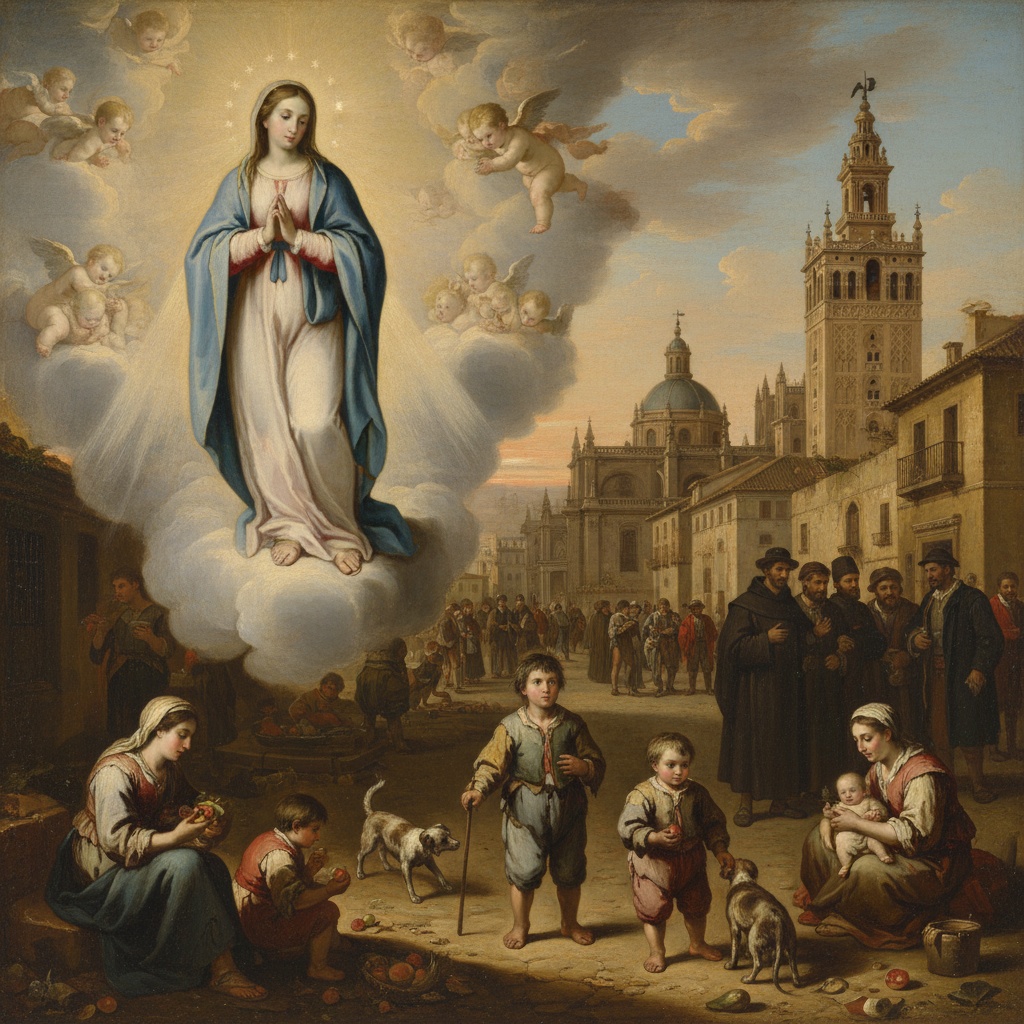
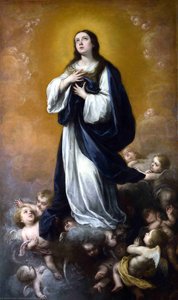
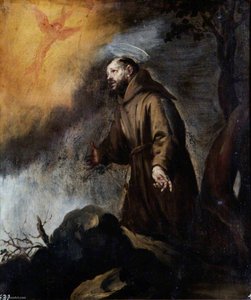
Seville in the 17th century was a city pulsating with life, a vibrant nexus point between Europe and the New World. This dynamic energy fueled an extraordinary artistic blossoming – the Spanish Golden Age – and at its heart stood Bartolomé Esteban Murillo. More than just a painter, Murillo became synonymous with Seville itself, his work reflecting not only the deep religious fervor of the era but also the everyday realities of life within its bustling streets. The city’s prosperity, derived from its monopoly on trade with the Americas, created a wealthy patronage base eager to commission art for churches, monasteries, and their own homes. This demand fostered an environment where artistic talent could flourish, and Murillo quickly rose to prominence, eclipsing even his contemporaries like Zurbarán in popularity. Seville wasn’t merely a backdrop for Murillo's life; it was woven into the very fabric of his art, informing its subject matter, style, and enduring appeal.
Early Life & Influences: From Workshop Beginnings to Emerging Style
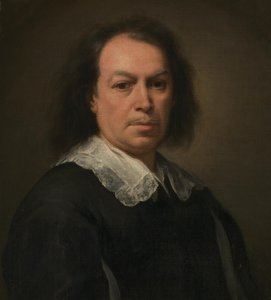 Bartolomé Esteban Murillo
Bartolomé Esteban Murillo (1618-1682) was a celebrated Spanish Baroque painter known for his luminous religious scenes, tender genre paintings, and idealized depictions of everyday life in Seville.
Born in December 1617, Murillo’s early years remain somewhat shrouded in mystery. Orphaned young, he was raised by his sister Ana and her husband, a barber surgeon, and entered the workshop of Juan del Castillo, a relative and established painter. This apprenticeship provided him with foundational skills – a meticulous attention to detail and a sensitivity to form – but Murillo’s artistic journey wasn't simply one of imitation. He absorbed influences from other masters like Zurbarán and Ribera, initially adopting their realist approach. However, he soon began to forge his own path, moving away from the austere gravity of Zurbarán towards a softer, more idealized aesthetic. A possible trip to Madrid in 1642, though debated by scholars, is often cited as a turning point, exposing him to the works of Velázquez, Titian, and Rubens. Whether through direct observation or study of engravings, these artists profoundly impacted his use of color, light, and composition, laying the groundwork for the distinctive style that would define his mature work.
Religious Luminosity: Murillo’s Iconic Depictions of the Immaculate Conception
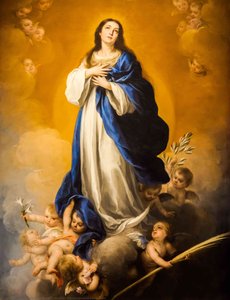
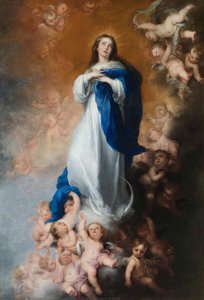
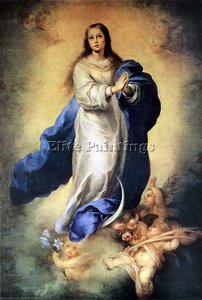 The Immaculate Conception
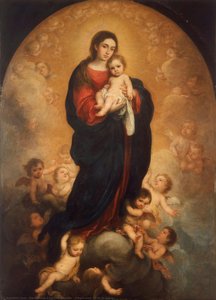
Experience Murillo's 'The Immaculate Conception,' a stunning Baroque masterpiece from 1665. Admire the Virgin Mary & baby Jesus amidst celestial beauty.
Murillo is perhaps best known for his series of paintings depicting the Immaculate Conception, a doctrine asserting the Virgin Mary's conception without original sin. These works, particularly those from 1665 onwards, are breathtaking examples of Baroque artistry. He didn’t simply portray Mary as a regal figure; he imbued her with an ethereal grace and tenderness that resonated deeply with contemporary audiences. The compositions often feature Mary ascending into heaven, surrounded by cherubs and bathed in celestial light. His mastery of chiaroscuro – the dramatic interplay of light and shadow – creates a sense of depth and spiritual intensity. The soft modeling of forms, rich color palettes, and flowing draperies contribute to an overall impression of serenity and divine beauty. These paintings weren’t merely devotional images; they were expressions of profound faith and artistic skill, commissioned by religious orders and private patrons alike.
Beyond the Sacred: Genre Paintings and a Portrait of 17th-Century Society
While Murillo's religious works secured his fame, he also produced a remarkable body of genre paintings – scenes of everyday life in Seville. These lively depictions of flower girls, street urchins, beggars, and other marginalized figures offer a fascinating glimpse into the social realities of 17th-century Spain. Unlike earlier representations that often emphasized hardship and suffering, Murillo’s genre scenes are characterized by a sense of dignity and even charm. He captured the innocence of childhood, the resilience of the poor, and the vibrant energy of the streets with remarkable sensitivity. These paintings weren't simply exercises in realism; they were imbued with a subtle moral commentary, reflecting his compassion for the less fortunate. They provide invaluable insights into the lives of those often overlooked by history, offering a more nuanced portrait of Golden Age Seville than traditional historical accounts.
Murillo's Technique and Legacy: A Lasting Impact on Baroque Painting
Murillo’s technique was as distinctive as his subject matter. He employed a layered approach to painting, building up forms with delicate glazes and subtle brushwork. His use of color was masterful, creating luminous effects that seemed to emanate from within the canvas. He often worked alla prima, completing paintings in relatively short periods, yet achieving remarkable depth and detail. This efficiency contributed to his prolific output and allowed him to fulfill numerous commissions simultaneously. His influence on subsequent generations of Spanish painters was profound. Artists throughout Europe admired his ability to combine religious fervor with technical skill and emotional sensitivity. Though his popularity waned somewhat in the 19th century, Murillo’s work has experienced a resurgence in recent decades, recognized for its artistic merit and historical significance.
Collecting Murillo Today: Finding Your Place in His Artistic World
Owning a piece of Murillo's legacy is an opportunity to connect with the heart of Spanish Baroque art. While major works reside in prestigious museums worldwide, reproductions offer a chance to experience his luminous style and captivating subject matter firsthand. ArtsDot specializes in handmade oil paintings meticulously crafted by skilled artists, allowing you to bring the beauty and emotional depth of Murillo’s masterpieces into your home. Whether you are drawn to his iconic depictions of the Immaculate Conception or his tender genre scenes, a Murillo reproduction is a timeless investment that will enrich your life for years to come. Explore our collection today and discover the enduring power of this remarkable artist.