The Golden Age: Historical Context of the Spanish Baroque
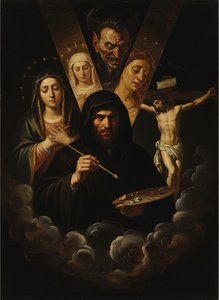
To understand the profound gravity of Spanish Baroque art, one must first step into the vibrant yet complex world of the 17th century. This was the era of the Spanish Golden Age, a period where, despite the shifting political tides of the Habsburg empire, the cultural and artistic output of Spain reached unparalleled heights. The atmosphere of the time was thick with the tension of the Counter-Reformation, a movement that sought to use art as a powerful tool for religious devotion and emotional connection. Unlike the more idealized and ethereal Renaissance, the Baroque period embraced the visceral, the tangible, and the dramatic.
Seville, a flourishing commercial hub, served as a fertile ground for this artistic explosion. It was a city of immense wealth and multicultural influence, where the scents of trade and the echoes of religious fervor met. In this environment, painters were not merely decorators but storytellers of the human condition and the divine. The art of this period was designed to overwhelm the senses, pulling the viewer into a space where the boundaries between the earthly and the spiritual seemed to dissolve through sheer visual intensity.
Chiaroscuro and Atmosphere: The Dramatic Use of Light
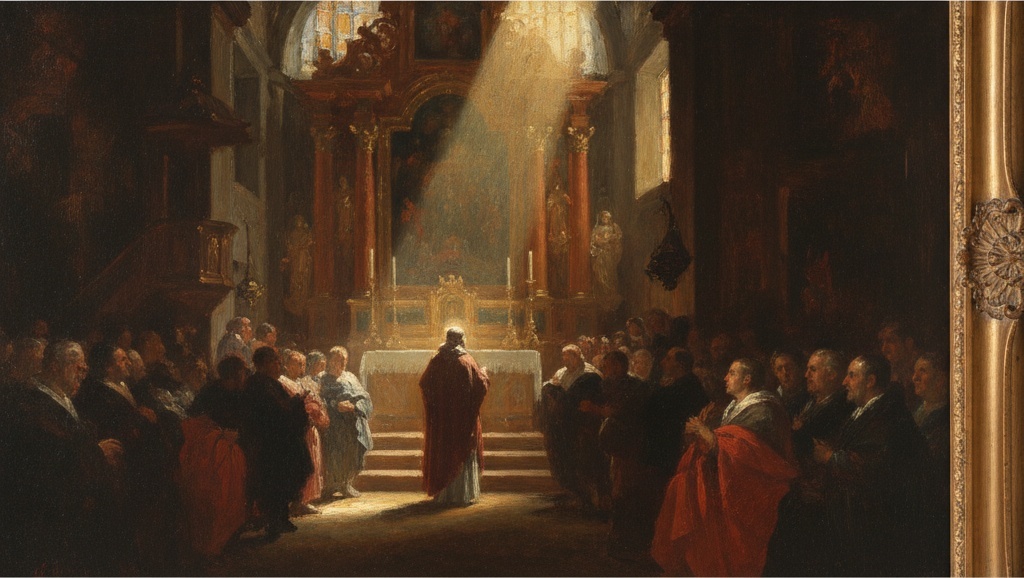
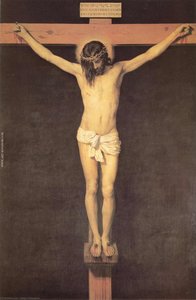
The true heartbeat of the Spanish Baroque lies in its mastery of light and shadow, a technique known as chiaroscuro. This was not merely a stylistic choice but a profound narrative device. By plunging large portions of the canvas into deep, impenetrable darkness, artists were able to sculpt figures out of the void, giving them a startling, three-dimensional presence. The light does not simply illuminate; it interrogates, highlighting a furrowed brow, the glint of a cardinal's ring, or the rough texture of a peasant’s cloak.
< p>This manipulation of light created an atmosphere of profound intimacy and suspense. When we observe works from this era, we feel as though we have stumbled upon a private moment, caught in the fleeting second before a candle flickers out. This interplay between brilliance and obscurity allowed for a unique form of tenebrism, where the shadows become as much a character in the composition as the subjects themselves. It is through this dramatic modulation that the Spanish masters achieved a sense of weight, volume, and undeniable reality that continues to captivate the modern eye.Diego Velázquez: The Architect of Realism and Courtly Grandeur
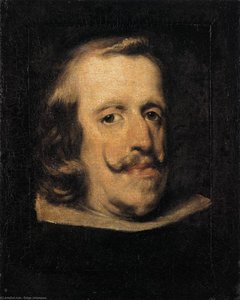
At the pinnacle of this movement stands Diego Rodríguez de Silva y Velázquez, a figure whose name is synonymous with the zenith of Spanish painting. As the court painter to King Philip IV, Velázquez occupied a position of immense responsibility, tasked with capturing the dignity, authority, and psychological complexity of the Spanish monarchy. His work transcends simple portraiture; he possessed an uncanny ability to infuse his subjects with a living, breathing essence that defies the stillness of oil on canvas.
In masterpieces such as Portrait of the Count Duke of Olivares or his depictions of the royal family, Velázquez demonstrates a technical evolution that moved from meticulous detail toward a more revolutionary, loose brushwork. He mastered the art of capturing texture—the heavy sheen of silk, the cold hardness of armor, and the soft warmth of human skin—with an economy of stroke that feels almost modern. His ability to balance the rigid requirements of courtly etiquette with an uncompromising naturalism allowed him to create works that are both monumental in scale and deeply personal in execution.
Beyond the Canvas: Psychological Depth and Human Naturalism
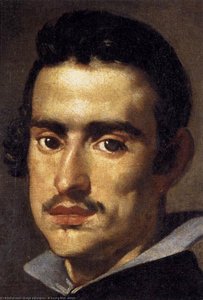
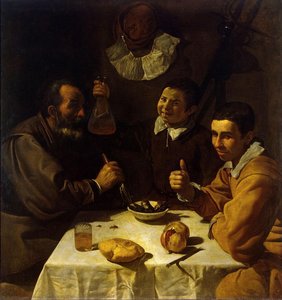
What truly separates the Spanish Baroque from its contemporaries is a commitment to uncompromising naturalism. While other traditions might have sought to idealize the subject, the Spanish masters, led by Velázquez, found beauty in the authentic. They did not shy away from human flaws, the weariness of age, or the grit of everyday life. This dedication to truth brought a profound psychological depth to their work, inviting the viewer to empathize with the subjects on a deeply human level.
This is evident in his ability to portray individuals not just as icons of power, but as sentient beings with internal lives. Whether it is the dignified presence in Cardinal Camillo Massimi or the complex layers of reality presented in the legendary Las Meninas, there is a sense that the figures are caught in a moment of thought or reflection. This focus on the "soul" behind the eyes transformed portraiture into an exploration of existence itself, making the art not just something to be seen, but something to be felt.
The Legacy of the Masters: From Baroque Mastery to Modern Impressionism
The influence of the Spanish Baroque, and Velázquez in particular, extends far beyond the 17th century. His revolutionary approach to light and his "optical" style of painting—where forms are suggested through light rather than hard outlines—laid the foundational groundwork for the Impressionist movement centuries later. Artists like Manet and Sargent looked to his brushwork as a blueprint for capturing the fleeting impressions of light and atmosphere.
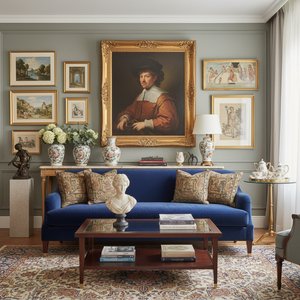
Today, we continue to find inspiration in this era of dramatic mastery. The ability to evoke such intense emotion through the careful arrangement of shadow and pigment remains a benchmark for artistic excellence. For those who wish to bring this sense of history and grandeur into their own surroundings, the preservation of these works is vital. At ArtsDot.com, we celebrate this enduring legacy by offering museum-quality, hand-painted reproductions that capture the true texture, depth, and soul of these historical masterpieces, allowing the drama of the Spanish Golden Age to live on in the modern home.