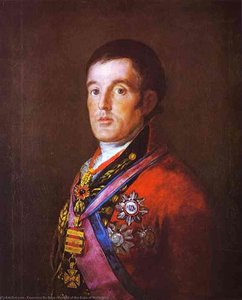
The Golden Age of Chiaroscuro: Velázquez and the Architecture of Light
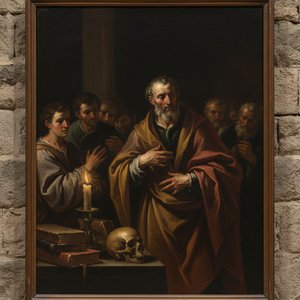
To step into the world of the Spanish Golden Age is to enter a realm where light does not merely illuminate, but actively sculpts reality. At the heart of this luminous revolution stands Diego Velázquez, a titan of the Baroque era whose brush possessed the uncanny ability to capture the very breath of his subjects. His mastery was not found in mere imitation of nature, but in the sophisticated manipulation of chiaroscary—the dramatic interplay between profound shadow and piercing light. In works such as The Lunch, we witness a breathtaking command of atmosphere; the shadows are not empty voids, but rich, velvety spaces that provide the necessary weight for the light to dance upon everyday scenes with a divine significance.
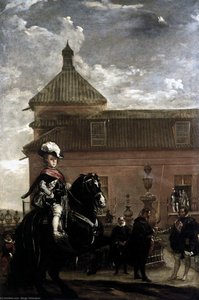
Velázquez understood that true realism requires more than just fine detail; it requires the architecture of atmosphere. By utilizing subtle gradations of tone, he created a sense of three-dimensional space that pulls the viewer into the intimate corners of the Spanish court. His technique allowed for a soft, almost ethereal transition between the brilliance of a sunlit cheek and the encroaching darkness of a corridor. This was not merely a technical feat but a philosophical one, suggesting that within the shadows of our existence, there lies a profound, quiet truth waiting to be revealed by the light of observation.
As we contemplate these masterpieces, we realize that the light in Velázquez’s work serves as a bridge between the physical and the spiritual. Every stroke of his brush was an intentional act of bringing form out of nothingness, much like the way a sculptor finds a figure within a block of marble. His legacy remains a testament to the power of controlled illumination, teaching us that what we choose to leave in the dark is just as vital to the composition of life as what we bring into the light.
Beyond the Surface: The Psychological Depth of Spanish Court Portraiture
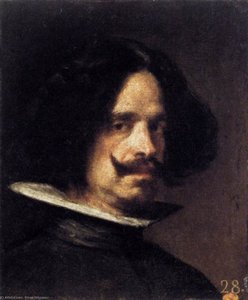
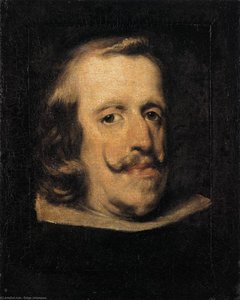
The portraiture of the Spanish Golden Age transcends the simple recording of facial features; it serves as a profound psychological inquiry. When examining the works of Velázquez, particularly his court portraits, one discovers an artist deeply invested in the internal landscape of his sitters. There is a haunting dignity in his depictions of royalty and courtiers alike—a sense that beneath the heavy silks, intricate lace, and ceremonial regalia, there exists a complex, breathing human soul. He moved beyond the static, frozen icons of previous eras to present individuals caught in moments of quiet reflection or subtle command.
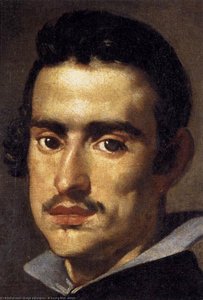
In the celebrated details of his portraits, such as A Young Man, the viewer is invited to look past the external trappings of status. The artist uses light to highlight the texture of skin and the glint of an eye, yet it is the gaze itself that captures the heart. There is often a palpable tension in these works—a dialogue between the public persona required by the court and the private emotions hidden from the world. This duality creates a magnetic pull, forcing the observer to wonder about the thoughts, burdens, and triumphs of the person captured on canvas.
This psychological depth was achieved through a masterful use of impasto and subtle glazing, allowing for a skin tone that seems to possess its own warmth and vitality. By focusing on the nuances of expression—a slight downturn of a lip or a softening of the brow—the Spanish masters transformed portraiture into a medium of profound empathy. They did not just paint faces; they painted the weight of history and the fragility of human identity, ensuring that their subjects would remain eternally present in the minds of future generations.
Goya and the Romantic Shadow: From Satire to the Sublime
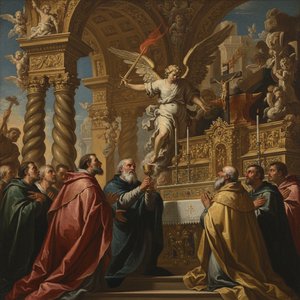
As the centuries progressed, the Spanish tradition underwent a seismic shift, moving from the structured elegance of the Baroque into the turbulent, emotive landscapes of Romanticism. No artist embodies this transition more powerfully than Francisco Goya. If Velázquez mastered the light, Goya mastered the shadow—not merely as a technical tool, but as a psychological state. His work serves as a bridge between the Enlightenment and the modern era, capturing the descent from reason into the irrational, the terrifying, and the sublime.
Goya’s oeuvre is a study in contrasts. In his earlier years, he was celebrated for his vibrant portraits and even delicate still lifes, such as Still Life with Golden Bream, where colors explode against dark backdrops, showcasing a profound connection to the natural world. However, as his life and the political climate of Spain darkened, so too did his palette. His later works, particularly the haunting series of etchings known as the Disasters of War, reveal an artist grappling with the raw, unvarnished horrors of human conflict. Here, the shadows are no longer architectural; they are predatory, swallowing the figures in a sea of darkness and despair.
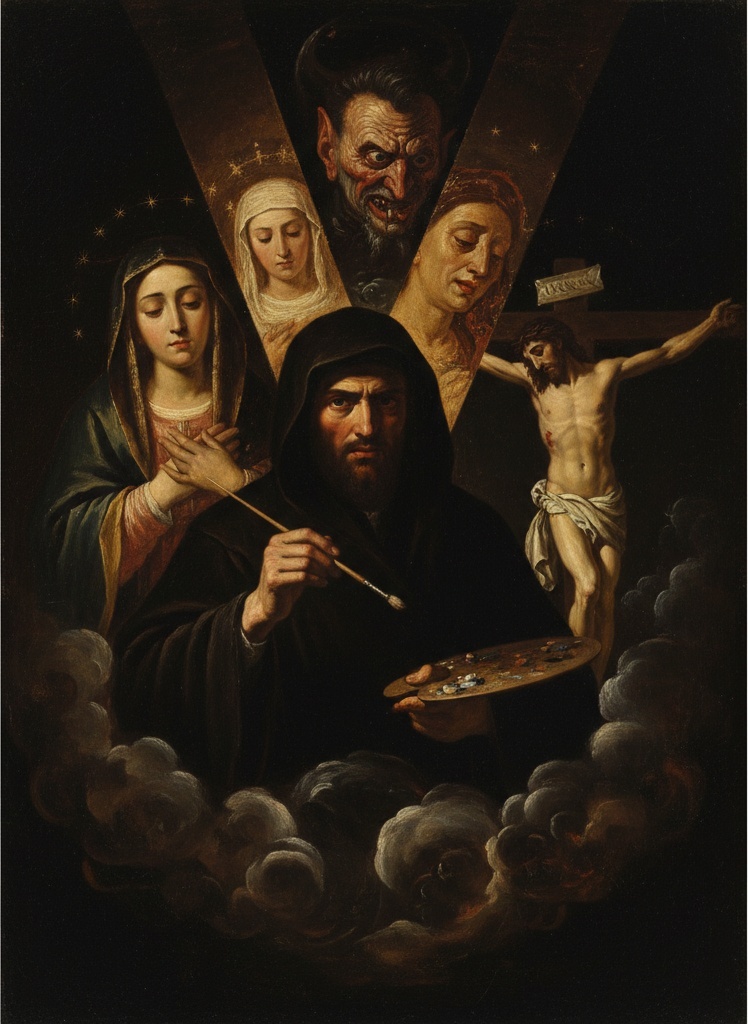
This movement toward the "sublime"—the aesthetic experience of awe mixed with terror—is what makes Goya a pivotal figure in art history. He utilized satire to critique social injustice and used darkness to explore the depths of the human psyche. Through his brush, we see the transition from the ordered universe of the 1-7th century to the fragmented, often chaotic reality of the modern world. Goya’s shadows do not just hide secrets; they confront us with the truths we are most afraid to face.
The Texture of Truth: Examining Realism and Still Life in Spanish Tradition
A lesser-known but equally vital thread in the tapestry of Spanish painting is the profound reverence for the tangible world found in their still life traditions. This genre, often overlooked in favor of grand historical narratives, provides a crucial window into the Spanish soul. In these works, the focus shifts to the elemental: the sheen of a fish scale, the weight of a piece of fruit, or the humble texture of a ceramic vessel. There is an inherent honesty in this approach, a commitment to finding beauty in the mundane and the ephemeral.
The Spanish masters applied the same rigorous attention to light and shadow found in their portraits to these inanimate objects. By treating a simple arrangement of food or flora with the same gravity as a royal subject, they elevated the domestic sphere to the level of the sacred. The use of deep, dark backgrounds allowed these objects to emerge with a startling, tactile presence. One can almost feel the coolness of the moisture on a freshly caught fish or the rough skin of an orange, as the artist uses light to emphasize texture and volume.
This dedication to realism serves as a grounding force within the broader movements of Spanish art. While Goya explored the irrational and Velázquez the courtly, the still life painters anchored the tradition in the physical reality of the earth. This pursuit of "the texture of truth" reminds us that art is not merely an escape from reality, but a deeper engagement with it—a way to honor the fleeting beauty of the world around us through the permanence of paint.
Preserving the Legacy: Bringing the Spirit of Spanish Masters into the Modern Home
The enduring power of Spanish painting lies in its ability to evoke profound emotion across centuries. The dramatic tension of a Baroque canvas or the haunting depth of a Romantic shadow continues to resonate within the contemporary aesthetic. For the modern collector, bringing these works into a living space is not merely an act of decoration, but an act of curation—a way to surround oneself with the intellectual and emotional weight of human history.
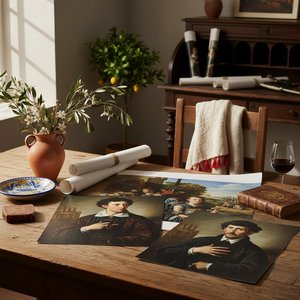
In an era dominated by the ephemeral and the digital, there is a growing desire for the tactile and the permanent. The visible brushstrokes, the layered textures, and the profound depth of color found in these classical traditions offer a sensory richness that modern mass-production cannot replicate. Whether through the acquisition of museum-quality prints or the commissioning of bespoke oil reproductions, the goal remains the same: to preserve the "living" quality of the original masterpiece and to allow its spirit to breathe within a modern architectural context.
As we look toward the future of art appreciation, the legacy of the Spanish masters remains an inexhaustible source of inspiration. By integrating these themes of light, shadow, and psychological depth into our homes, we ensure that the dialogue between the past and the present continues uninterrupted. We do not merely observe these works; we live with them, allowing their shadows to provide depth to our spaces and their light to illuminate our very lives.
At ArtsDot.com, we are dedicated to this preservation of human creativity. From meticulously handcrafted oil reproductions that capture the impasto texture of the Old Masters to high-fidelity Giclée prints designed for longevity, our mission is to make the grandeur of art history accessible to all. Whether you seek a custom portrait reimagined in a classical style or a large-scale mural to transform an interior, we provide the expertise and craftsmanship necessary to bring the timeless beauty of the Spanish masters into your personal collection.