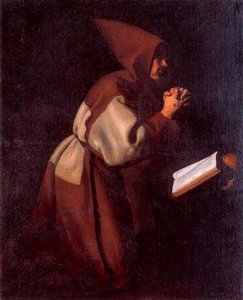
Introduction: The Spanish Baroque – A Crucible of Faith and Art
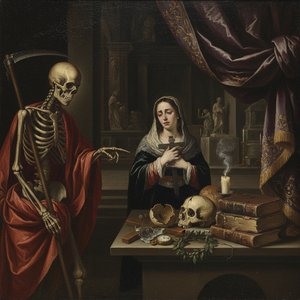
The 17th century witnessed a remarkable flourishing of artistic expression in Spain, an era now recognized as the Golden Age of painting. However, this was not merely a period of aesthetic innovation; it was a time profoundly shaped by religious fervor, political power, and a unique cultural identity. The Spanish Baroque emerged as a potent visual language—a dramatic response to the challenges and triumphs of the Counter-Reformation, and a testament to the enduring human need for spiritual connection. Unlike its more opulent Italian counterpart, Spanish Baroque art often prioritized emotional intensity and stark realism over elaborate ornamentation, creating works that were both deeply moving and powerfully direct.
The Counter-Reformation’s Influence: Fueling Religious Passion in Paint
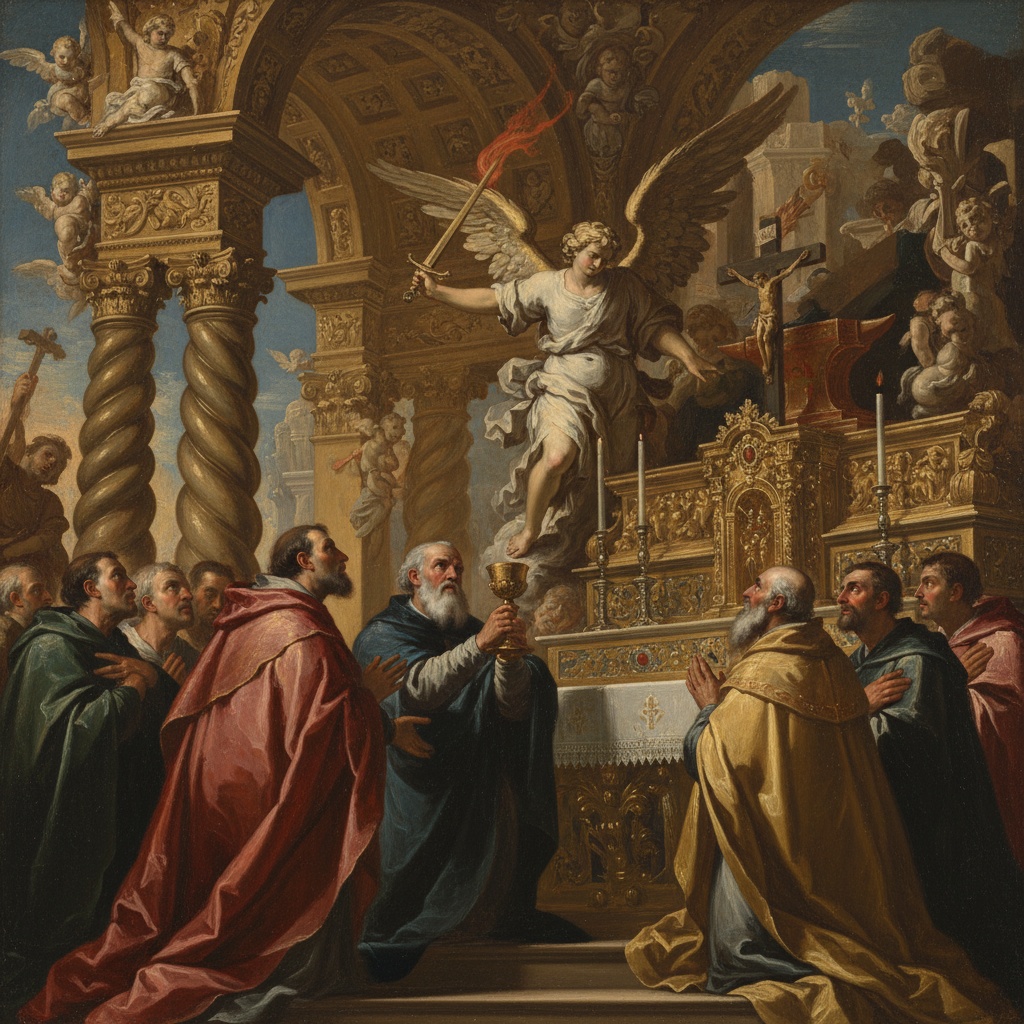
To understand the Spanish Baroque, one must first acknowledge the context of the Counter-Reformation. The Protestant Reformation had shaken the foundations of Christendom, prompting a vigorous response from the Catholic Church aimed at reaffirming its doctrines and reclaiming lost followers. Art became a crucial weapon in this ideological battle—a means of inspiring faith, reinforcing dogma, and conveying the power and majesty of the Church. Artists were commissioned to create works that were not simply beautiful, but actively persuasive, designed to evoke piety and awe. This demand for emotionally charged imagery led to an emphasis on scenes of martyrdom, miracles, and the lives of saints, often depicted with unflinching realism and a heightened sense of drama. The Council of Trent’s decrees regarding religious art—specifically its insistence on clarity, decorum, and didactic purpose—directly influenced the stylistic choices of Spanish painters.
Francisco de Zurbarán: Master of Tenebrism and Mystical Realism
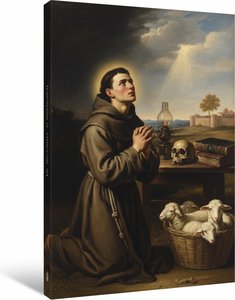 Francisco de Zurbarán: Mysticism, Realism & the Golden Age of Spanish Painting
Explore the captivating world of Francisco de Zurbarán, a master of Spanish Baroque painting. Discover his dramatic tenebrism, religious masterpieces like 'La Porciúncula,' and lasting influence on art history.
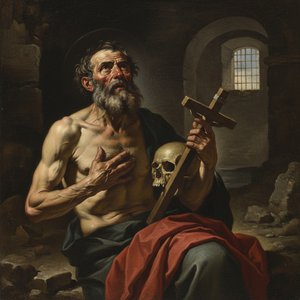
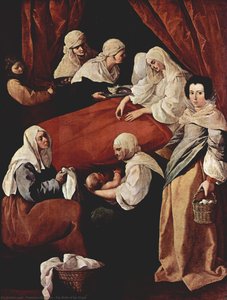
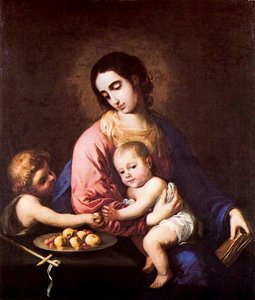
No discussion of Spanish Baroque painting is complete without acknowledging the towering figure of Francisco de Zurbarán. Born in 1640, Zurbarán dedicated his career to exploring themes of religious devotion with an unparalleled intensity. He became renowned for his austere depictions of monastic life, particularly his paintings of Franciscan friars and hermits—figures embodying self-denial and spiritual contemplation. Zurbarán’s signature technique was tenebrism, a dramatic use of light and shadow that heightened the emotional impact of his compositions. Works like “Saint Serapion” (1628) exemplify this mastery; the saint, bathed in an ethereal glow against a dark, undefined background, appears almost otherworldly, radiating a profound sense of inner peace and suffering. His paintings weren’t merely representations of religious figures; they were invitations to contemplation, designed to draw the viewer into a deeply personal encounter with faith. Another compelling example is “The Holy Family,” where Zurbarán uses chiaroscuro to focus attention on the tender connection between Mary, Joseph and the Christ Child.
Chiaroscuro & Dramatic Composition: Defining Characteristics of the Style
In art, chiaroscuro (English: kee-AR-ə-SKOOR-oh, -SKURE-, Italian: [ˌkjaroˈskuːro]; lit. 'light-dark') is the use of strong contrasts between light and dark, usually bold contrasts affecting a whole composition. It is also a technical term used by ...
While Zurbarán perfected tenebrism, the broader Spanish Baroque style was characterized by a sophisticated manipulation of light and shadow—a technique known as chiaroscuro. This wasn’t simply about creating visual contrast; it was about sculpting form with light, imbuing figures with weight and presence. Spanish painters often employed a pyramidal composition, arranging elements within the canvas to create a sense of stability and focus. The use of deep, rich colors—often earth tones accented by vibrant reds and golds—further enhanced the dramatic effect. Beyond technique, Spanish Baroque artists demonstrated a remarkable ability to capture psychological depth in their portraits. Subjects were not merely depicted as they appeared, but as individuals with complex inner lives, revealing subtle emotions through facial expressions and body language. This commitment to realism extended beyond portraiture; even still life paintings—known as *bodegones*—were imbued with symbolic meaning, reflecting the spiritual concerns of the era.
Beyond Religion: Portraiture and Still Life in the Spanish Baroque Era
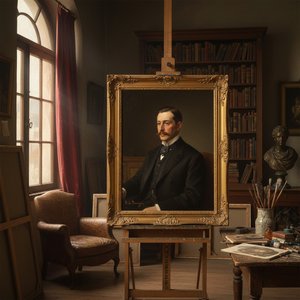
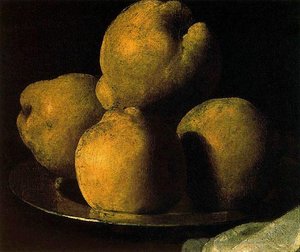
Although religious themes dominated much of Spanish Baroque painting, other genres also flourished. Portraiture became increasingly important, particularly among the nobility and aristocracy. Artists like Diego Velázquez elevated portraiture to new heights, capturing not only the physical likeness of his subjects but also their character and social status. Velázquez’s innovative techniques—including loose brushwork and a masterful use of light—set him apart from his contemporaries. Simultaneously, *bodegones* emerged as a distinctive genre, featuring humble objects—bread, wine, fruit, skulls—arranged in carefully composed still lifes. These weren't simply decorative arrangements; they were often laden with symbolic meaning, reflecting themes of mortality, transience, and the importance of spiritual values. The simplicity of these compositions belied their profound philosophical undercurrents.
The Legacy of Spanish Baroque Art: A Lasting Impact on Western Aesthetics
The Spanish Baroque left an indelible mark on Western art history. Its emphasis on emotional intensity, dramatic realism, and religious devotion resonated deeply with audiences for centuries to come. The techniques pioneered by artists like Zurbarán—tenebrism, chiaroscuro, and pyramidal composition—were adopted and adapted by painters across Europe. The Spanish Baroque’s influence can be seen in the works of later masters, from Rembrandt to Caravaggio, demonstrating its enduring power and relevance. Today, collectors and art enthusiasts continue to be captivated by the profound beauty and spiritual depth of these masterpieces. At ArtsDot.com, we are proud to offer high-quality reproductions of Spanish Baroque paintings, allowing you to bring the drama and passion of this remarkable era into your own home. Explore our collection today and discover the timeless allure of Spanish art—a legacy forged in faith, illuminated by light, and forever etched in the annals of artistic history.