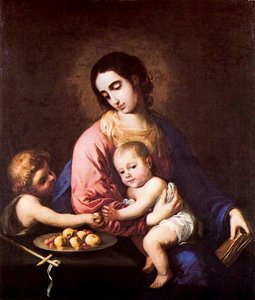
The Life & Legacy of Francisco de Zurbarán: A Provincial Master
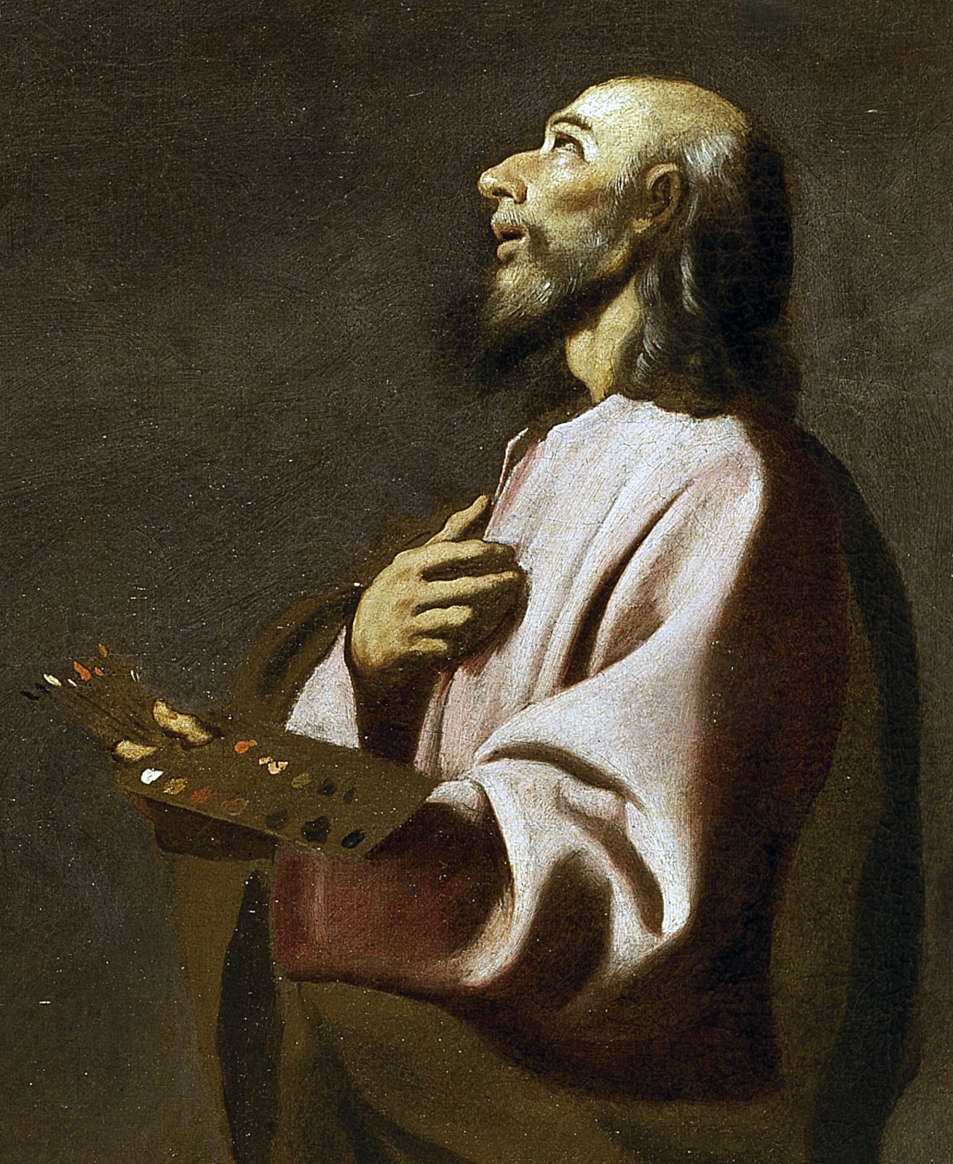 Wikipedia: Francisco de Zurbarán
Francisco de Zurbarán ( ZOOR-bə-RAHN, Spanish: [fɾanˈθisko ðe θuɾβaˈɾan]; baptized 7 November 1598 – 27 August 1664) was a Spanish painter. He is known primarily for his religious paintings depicting monks, nuns, and martyrs, and for his still-lifes....
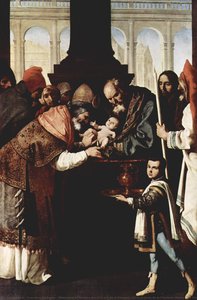
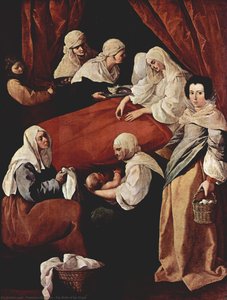
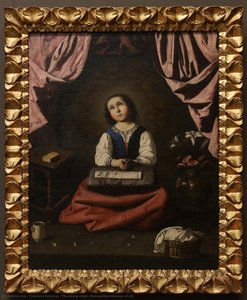
Francisco de Zurbarán, born in Fuente de Cantos, Spain, in 1598, occupies a unique position within the pantheon of Spanish Golden Age painters. While contemporaries like Velázquez thrived at the royal court, Zurbarán forged his artistic path in the relative seclusion of Andalusia, becoming inextricably linked with the religious orders that dominated the region. This deliberate choice—a commitment to serving the spiritual needs of monasteries and convents—shaped not only the subject matter of his work but also its profoundly moving aesthetic. He wasn’t merely a painter; he was a visual interpreter of faith, translating complex theological concepts into images of striking power and quiet contemplation. Zurbarán's early training in Seville with Pedro Díaz de Villanueva provided him with a foundation in naturalism, yet it was his independent spirit that allowed him to develop a style so distinctly his own—a style characterized by dramatic lighting, meticulous detail, and an almost palpable sense of reverence.
Tenebrism & Naturalism: Defining Characteristics of Zurbarán’s Style
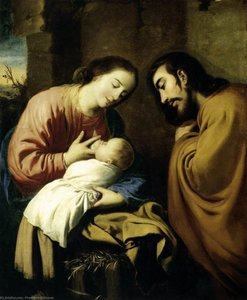 The Holy Family
Discover Francisco Zurbarán’s ‘The Holy Family,’ a Baroque masterpiece of light & emotion. Explore its religious themes, dramatic chiaroscuro, and timeless beauty – perfect for art lovers.
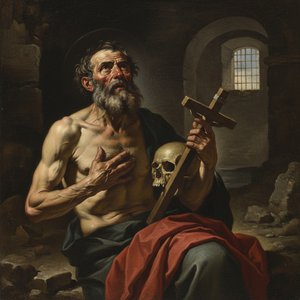
The hallmark of Zurbarán's artistry lies in his masterful deployment of tenebrism, a technique inherited from Caravaggio. This isn’t simply about the contrast between light and dark; it’s a carefully orchestrated drama where figures emerge from deep shadows, illuminated as if by divine grace. The stark chiaroscuro doesn't merely create visual impact—it directs the viewer’s gaze, emphasizing the emotional weight of each scene. Coupled with this dramatic lighting is an unwavering commitment to naturalism. Zurbarán wasn’t interested in idealizing his subjects; he sought to depict them as they were, imbued with a raw humanity that resonated deeply with those seeking spiritual connection. The textures—the rough weave of monks' habits, the smooth skin of saints, the polished surfaces of still life objects—are rendered with astonishing precision, grounding the ethereal subject matter in tangible reality. This combination of intense realism and spiritual fervor is what sets Zurbarán apart.
Devotional Art & the Spanish Counter-Reformation: Context and Influence
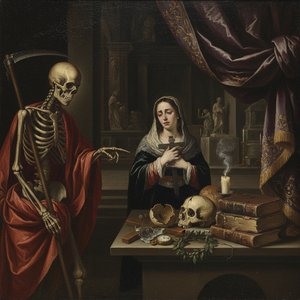
To understand Zurbarán’s art fully, one must consider the historical context in which it was created. The 17th century witnessed the height of the Counter-Reformation, a period of intense religious renewal within the Catholic Church. Spain, as a staunch defender of Catholicism, played a pivotal role in this movement, and art became a powerful tool for reaffirming faith and combating the spread of Protestantism. Zurbarán’s paintings directly addressed this need, offering visual narratives that reinforced core doctrines and celebrated the lives of saints and martyrs. His patrons—primarily monastic orders like the Carthusians and Mercedarians—commissioned works designed to inspire piety and devotion within their communities. The austerity and solemnity of his style perfectly aligned with the Counter-Reformation’s emphasis on religious discipline and introspection, creating a visual language that spoke directly to the spiritual anxieties of the age.
Iconic Works: Exploring ‘La Porciúncula,’ ‘St. Bonaventure,’ and ‘The Holy Family’
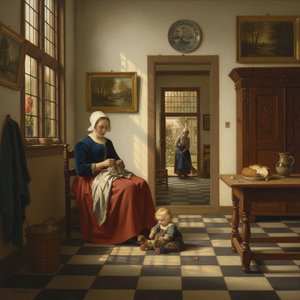
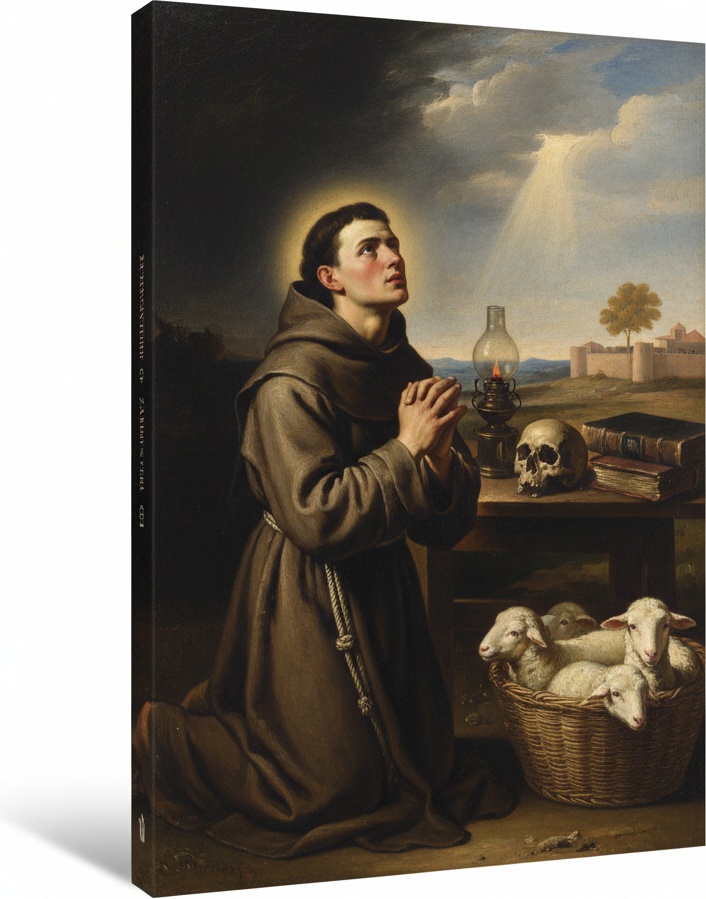
Several paintings stand as testaments to Zurbarán's genius. ‘La Porciúncula’, depicting St. Francis receiving a vision of the Virgin Mary, exemplifies his ability to convey profound spirituality through simple means. The composition is uncluttered, focusing on the intimate encounter between the saint and the divine figure bathed in ethereal light. ‘St. Bonaventure,’ painted around 1650, showcases his mastery of pyramidal composition and dramatic lighting; the saint’s contemplative gaze draws the viewer into a world of inner reflection. The rich detail—the folds of his habit, the texture of the book he holds—adds to the painting's sense of realism and gravitas. ‘The Holy Family,’ another compelling example, reveals Zurbarán’s sensitivity to human emotion; the tender interaction between Mary, Joseph, and the Christ Child is rendered with a quiet intimacy that transcends mere representation. These works are not simply depictions of religious scenes—they are invitations to contemplation, offering viewers a glimpse into the mysteries of faith.
Beyond Religious Subjects: Still Lifes and Royal Commissions
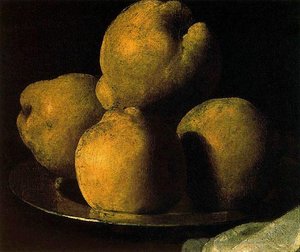
While Zurbarán is best known for his religious paintings, he also excelled in other genres, particularly still life. His depictions of fruits, vegetables, and everyday objects are imbued with a similar sense of realism and spiritual depth. A humble cup of water or a cluster of oranges becomes a vehicle for contemplation, reminding viewers of the beauty and simplicity of creation. His brief foray into secular painting came in 1634 when he received royal commissions from Philip IV to paint a series of *Labours of Hercules* and scenes depicting the *Defense of Cádiz*. Though these works demonstrate his technical skill, they lack the emotional resonance of his religious paintings, suggesting that his true passion lay elsewhere. The “Painter to the King” title did little to alter his artistic trajectory; he remained steadfastly committed to serving the spiritual needs of his monastic patrons.
Zurbarán's Enduring Impact on Art History & His Place in the Baroque Tradition
Despite periods of relative obscurity, Francisco de Zurbarán’s influence on art history is undeniable. His dramatic tenebrism and unwavering naturalism paved the way for subsequent generations of Spanish painters, and his work continues to inspire artists today. Often dubbed the “Spanish Caravaggio,” he transcended mere imitation, developing a unique style that perfectly captured the spirit of the Counter-Reformation and the devout culture of Andalusia. His paintings offer a powerful testament to the enduring power of faith and the transformative potential of art. Discover the timeless beauty and profound spirituality of Zurbarán’s masterpieces with ArtsDot.com, where exceptional reproductions bring these iconic works into your home.