Introduction: The Dramatic World of Juan de Valdés Leal
Juan de Valdés Leal, a name perhaps less immediately recognizable than Murillo or Velázquez, nevertheless occupies a crucial and compelling position within the pantheon of Spanish Baroque masters. Born in Seville in 1622, his art is not one of gentle radiance but rather a profound meditation on mortality, faith, and the fleeting nature of earthly existence. Where others sought to capture beauty, Valdés Leal confronted the stark realities of death with an unflinching gaze, creating works that are both deeply unsettling and powerfully moving. His paintings aren’t merely depictions; they are visceral experiences, imbued with a theatricality that draws the viewer into a world of shadows, skulls, and spiritual contemplation.
Seville’s Master of Shadows: Early Life & Artistic Formation
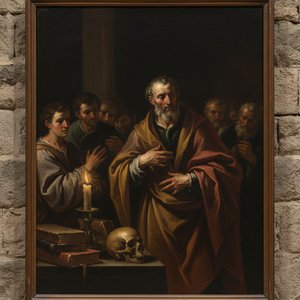
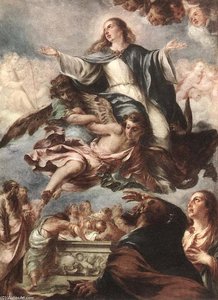
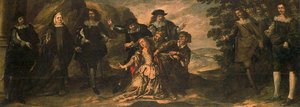 El milagro de Santa Inés
Experience the dramatic Baroque masterpiece, 'El Milagro de Santa Inés' by Juan de Valdés Leal. A stunning religious painting featuring a miraculous event – explore a captivating Spanish artwork.
The Seville of Valdés Leal's youth was a city steeped in religious fervor and artistic innovation. While details regarding his earliest training remain somewhat elusive, it is known that he studied under Antonio del Castillo in Córdoba during his twenties. This formative period undoubtedly instilled in him a respect for technical skill and compositional grandeur. Upon returning to Seville in 1656, Valdés Leal quickly established himself as a significant force within the local art scene, even co-founding the Academy of Drawing three years later – a testament to his growing reputation and commitment to artistic education. He existed alongside Bartolomé Esteban Murillo, often contrasted with him; Murillo’s work was celebrated for its sweetness and tranquility, while Valdés Leal consistently explored darker, more challenging themes. This divergence wasn't born of rivalry but rather reflected distinct temperaments and artistic visions.
Vanitas & Mortality: Exploring the Somber Themes in Valdés Leal's Work
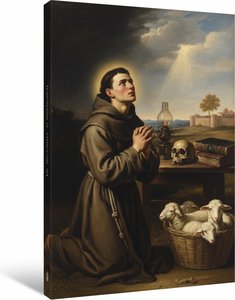
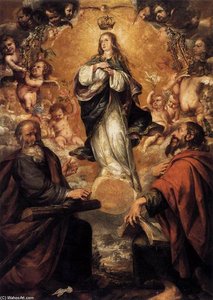
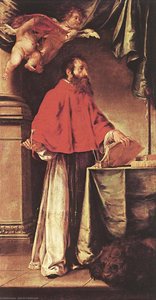
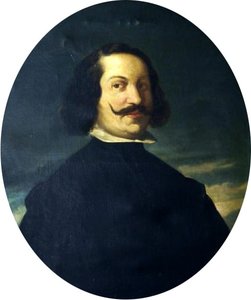 Juan de Valdés Leal
Explore the dramatic Baroque art of Juan de Valdés Leal (1622-1690), a Spanish painter known for his somber depictions of vanitas, mortality & religious scenes. Discover museum-quality reproductions at ArtsDot.
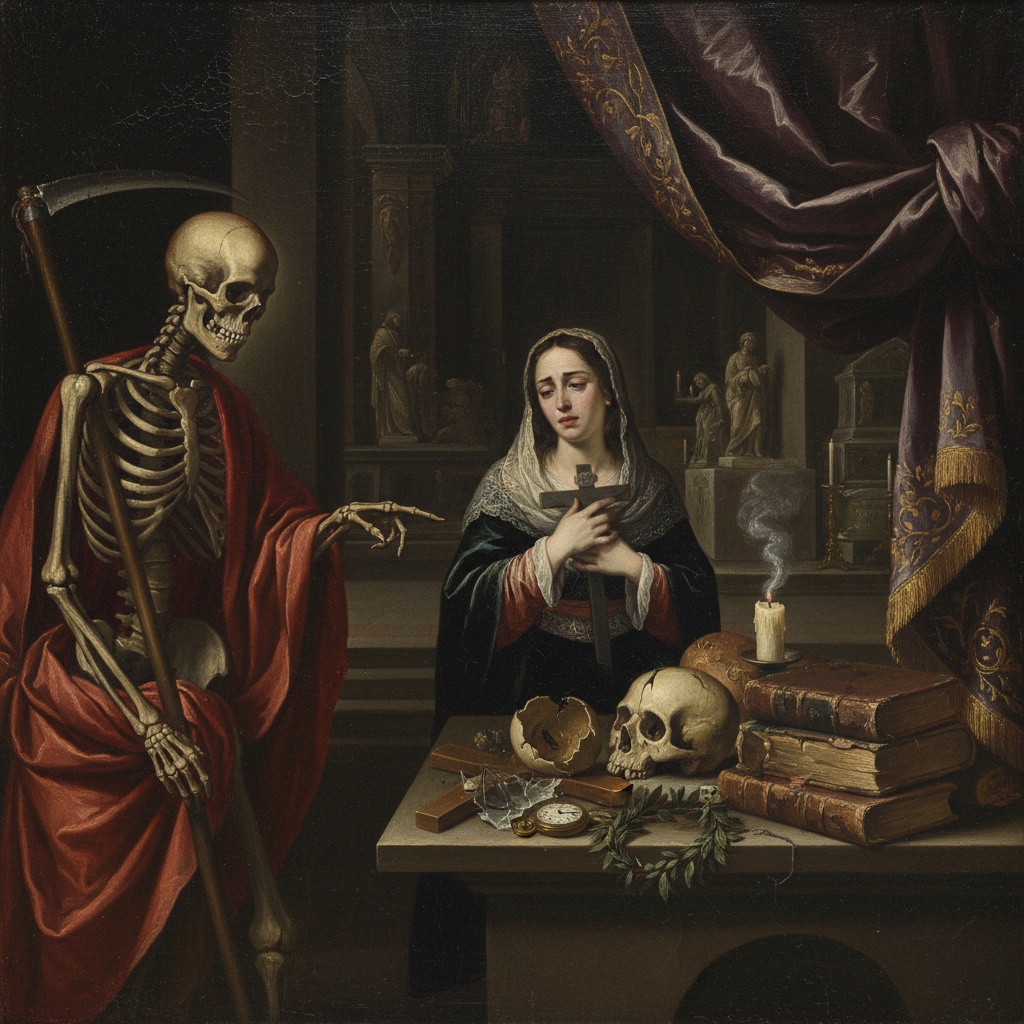
Central to understanding Valdés Leal’s oeuvre is the concept of vanitas – a genre of symbolic works designed to remind viewers of the transience of life, the futility of pleasure, and the certainty of death. Skulls, decaying fruit, extinguished candles, and wilting flowers appear repeatedly in his compositions, serving as potent reminders of our inevitable fate. However, Valdés Leal’s treatment of these motifs transcends mere morbid fascination. He imbues them with a profound spiritual weight, suggesting that acknowledging mortality is not an end in itself but rather a necessary step towards embracing faith and seeking salvation. Paintings like “El milagro de Santa Inés,” while depicting a miraculous event, are nonetheless framed by the ever-present specter of death, highlighting the fragility of life even in moments of divine intervention.
In Ictu Oculi & Finis Gloriae Mundi: The Height of Baroque Theatricality
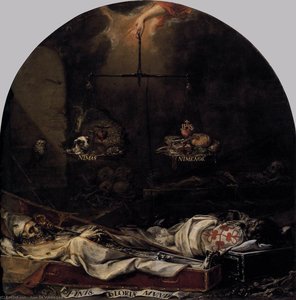
The church of La Caridad in Seville became the canvas for Valdés Leal’s most ambitious and enduring works: “In Ictu Oculi” (“in the blink of an eye”) and “Finis Gloriae Mundi” (“end of the world's glory”). These two monumental paintings, commissioned by the Brotherhood of Charity, are arguably the pinnacle of his artistic achievement. “In Ictu Oculi” presents a terrifying vision of Death – personified as a skeletal figure wielding a scythe and carrying a coffin – advancing relentlessly through a world littered with the symbols of earthly power and wealth. The composition is deliberately chaotic and overwhelming, designed to shock and disorient the viewer. Its companion piece, “Finis Gloriae Mundi,” depicts the rotting corpses of a bishop and a knight, stripped bare of their finery, serving as a stark warning against worldly ambition. The dramatic lighting, dynamic brushwork, and meticulous attention to detail create an intensely theatrical effect, transforming the church into a space for contemplation on life’s ultimate questions.
Beyond Grief: Religious Paintings and Architectural Contributions
While often remembered for his depictions of death, Valdés Leal was also a prolific creator of religious paintings. His “History of the Prophet Elias” for the Carmelites demonstrates his ability to convey complex narratives with emotional depth and technical skill. He wasn’t solely confined to painting; he also possessed considerable talent as an architect, designing temporary decorations for Seville Cathedral during the canonization of Saint Ferdinand in 1671. These architectural projects reveal a mastery of perspective and spatial composition, further showcasing his versatility as an artist. His engravings, particularly those documenting his cathedral designs, provide valuable insight into his creative process and artistic sensibilities.
Valdés Leal’s Legacy: Influence and Rediscovery
Despite achieving considerable renown during his lifetime, Valdés Leal's work experienced a period of relative obscurity in the centuries following his death. However, recent scholarship has brought renewed attention to his unique contributions to Spanish Baroque art. His unflinching portrayal of mortality, coupled with his dramatic use of light and shadow, continues to resonate with contemporary audiences. His influence can be seen in subsequent generations of artists who sought to explore similar themes of faith, death, and the human condition. Today, Valdés Leal is rightly recognized as a master of Spanish Baroque painting – an artist whose works challenge us to confront our own mortality and contemplate the meaning of life. Explore museum-quality reproductions of his iconic paintings at ArtsDot, bringing the dramatic power of this remarkable artist into your home.