
The Golden Age of Spain: Defining the Spanish Baroque Aesthetic
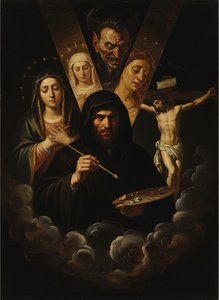
To step into the era of the Spanish Golden Age is to enter a world where tension and transcendence coexist in a delicate, often breathtaking balance. The Spanish Baroque was not merely a period of artistic production; it was a profound cultural movement that mirrored the religious fervor, political complexities, and imperial grandeur of a nation at its zenith. Unlike the more decorative flourishes found in the Baroque traditions of France or Italy, the Spanish iteration possessed a unique, somber gravity. It was an aesthetic rooted in spiritual intensity and a relentless pursuit of truth, where every brushstroke served to bridge the gap between the earthly and the divine.
This era was characterized by a departure from the idealized, often ethereal forms of the Renaissance toward a more visceral, grounded reality. The art of this period sought to evoke empathy through the depiction of human suffering, religious ecstasy, and the quiet dignity of everyday life. This movement was deeply intertwined with the Counter-Reformation, as the Church utilized powerful, emotive imagery to reassert its influence and inspire devotion among the faithful. Consequently, the Spanish Baroque became a masterclass in narrative tension, using texture, scale, and composition to command the viewer's attention and stir the very depths of the human soul.
Chiaroscuro and the Soul of Shadow: The Dramatic Power of Light
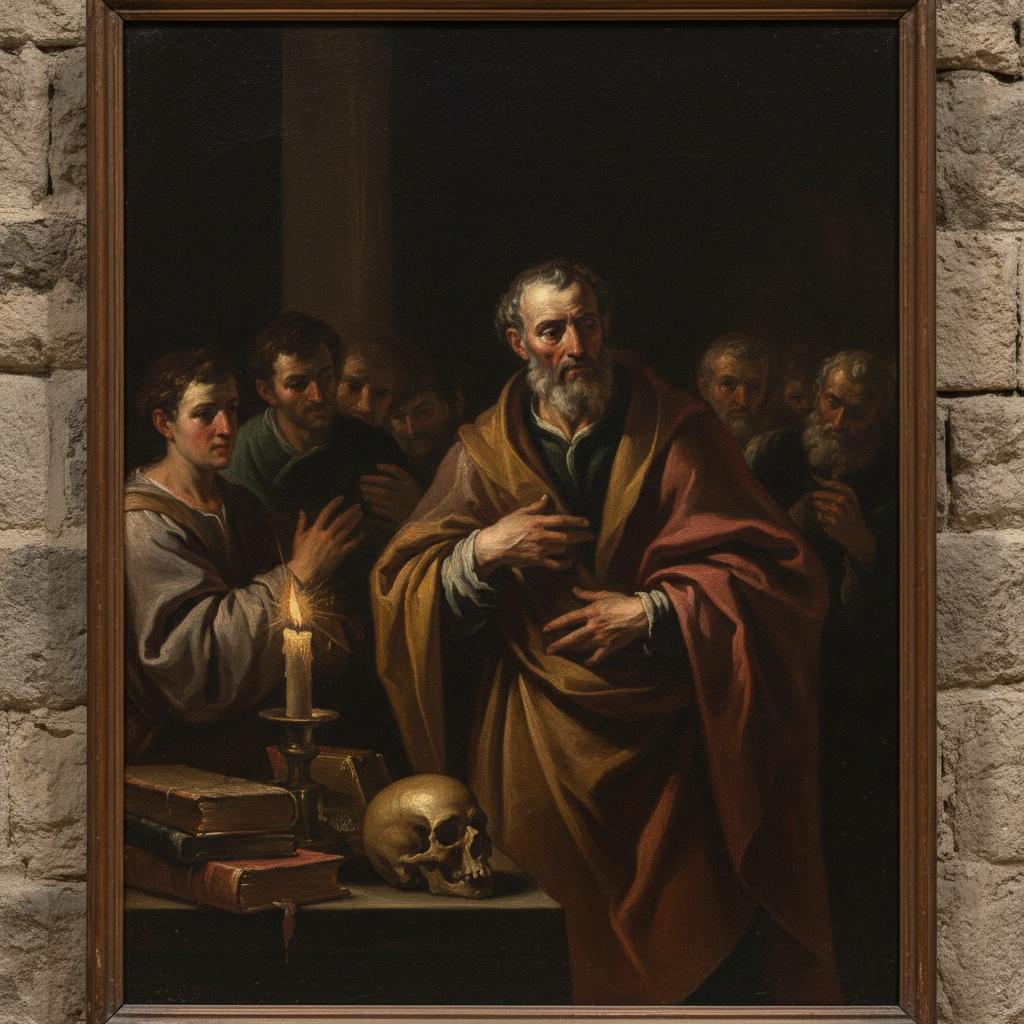
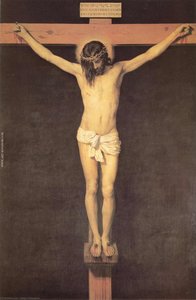
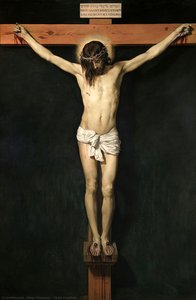
At the heart of this dramatic movement lies one of the most evocative technical achievements in art history: the mastery of chiaroscuro. This technique, which relies on the stark, intentional contrast between deep shadows and brilliant highlights, became the primary language through which Spanish masters communicated emotion. In the hands of a true virtuoso, light was never merely an environmental factor; it was a protagonist. It acted as a divine spotlight, carving figures out of the darkness and imbuing them with a sculptural, three-dimensional presence that feels almost tangible to the observer.
The shadows in Spanish Baroque painting are rarely empty voids; they are rich, velvety depths that hold mystery and weight. By obscuring certain elements of a composition, artists invited the viewer's imagination to complete the scene, creating an intimate dialogue between the canvas and the spectator. When a sudden burst of light strikes a face or a piece of fabric—as seen in the luminous details of The Adoration of the Magi—the effect is nothing short of theatrical. This interplay of light and dark creates a rhythmic movement across the canvas, guiding the eye through complex narratives and height-ening the psychological impact of every subject portrayed.
Diego Velázquez: The Architect of Realism and Courtly Grandeur
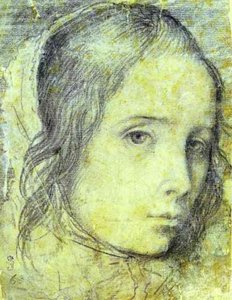
No discussion of the Spanish Baroque is complete without the towering presence of Diego Velázquez. As the preeminent court painter to King Philip IV, Velázquez achieved a level of technical sophistication that redefined the boundaries of realism. His work represents the pinnacle of the era, blending the profound psychological depth of portraiture with an almost supernatural ability to capture the essence of light. He did not merely paint faces; he painted presence. Whether capturing the regal poise of a young nobleman in his Portrait of a Young Man or the complex, layered reality of the royal household in the legendary Las Meninas, his brushwork possessed an unparalleled fluidity.
Velázquez’s genius lay in his ability to utilize "optical realism"—a method where he applied paint in a way that, when viewed from a distance, coalesced into perfect detail, yet up close revealed a daring, impressionistic freedom. This technique allowed him to capture the very atmosphere of the room, the shimmer of silk, and the subtle glint of light on metal. His mastery of the Spanish Golden Age style ensured that his subjects were never static icons but living, breathing entities. Through his eyes, the courtly grandeur of Spain was rendered with a profound humanity, making him not just a chronicler of royalty, of a master of the human condition.
Beyond the Canvas: The Emotional Resonance of Baroque Narrative
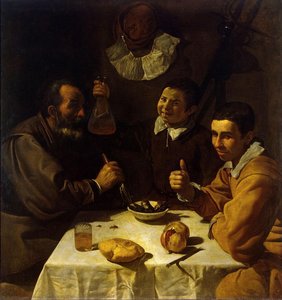
The true power of Spanish Baroque art lies in its ability to transcend the physical medium and touch upon universal human experiences. The narratives depicted—ranging from biblical epics to intimate domestic scenes—are imbued with a sense of pathos that remains potent centuries later. There is an inherent theatricality in these works, a sense that we have stumbled upon a frozen moment of high drama. This emotional resonance is achieved through meticulous attention to symbolic detail: the way a hand rests heavily on a table, the specific tilt of a head in grief, or the way a single candle illuminates a saintly countenance.
This era mastered the art of the "silent narrative," where much is communicated through what is left unsaid or unseen. The heavy use of shadows allows for a sense of introspection and quietude, forcing the viewer to contemplate the deeper meanings behind the depicted scenes. It is this profound connection to the human psyche—the ability to evoke awe, sorrow, and reverence—that elevates these paintings from mere historical artifacts to timeless masterpieces of emotional storytelling.
Preserving the Masterpiece: Bringing Baroque Splendor into Modern Interiors
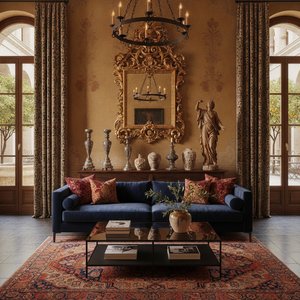
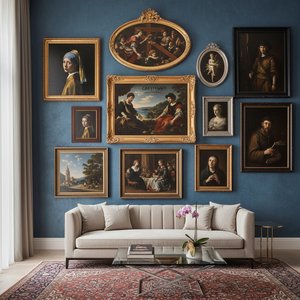
In the contemporary era, the grandeur of the Spanish Baroque continues to inspire those with a passion for classical elegance. Integrating such powerful imagery into modern spaces requires an appreciation for its scale and dramatic intensity. A well-placed reproduction of a Velázquez masterpiece can serve as a profound focal point, adding a layer of historical depth and sophisticated texture to a room. The tactile nature of oil painting—the visible brushstrokes and the rich impasto—provides a "living" quality that flat digital prints simply cannot replicate.
For the discerning collector or enthusiast, bringing this era into the home is an act of cultural preservation. Whether through large-format murals that recreate the feeling of a palace gallery or bespoke oil commissions that capture the light-drenched spirit of the 17th century, the Baroque aesthetic offers a way to surround oneself with beauty and intellectual rigor. By honoring the techniques of the Old Masters—the careful layering of pigments and the reverence for light—we ensure that the dramatic legacy of the Spanish Golden Age continues to illuminate our modern world.
At ArtsDot.com, we specialize in bridging this historical gap. Our studio is dedicated to the meticulous recreation of these timeless treasures through hand-painted oil reproductions and museum-quality Giclée prints. From custom portrait commissions that reimagine your own history in a classical style to large-scale architectural frescoes, our mission is to make the profound beauty of the Old Masters accessible to collectors across the globe.