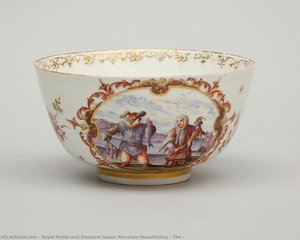
The Legacy of Meissen Porcelain
The royal-polish and electoral-saxon porcelain manufactory, established in 1710 by Ehrenfried Walther von Tschirnhaus and Johann Friedrich Böttger, stands as a monumental achievement in European ceramics history—a testament to scientific innovation and artistic brilliance that continues to captivate collectors and connoisseurs worldwide. Born in Meissen, Germany, the factory’s origins lie in Tschirnhaus's pioneering efforts to replicate the hard-paste porcelain techniques developed in China, marking a pivotal moment in challenging established traditions. This ambition wasn’t merely about imitation; it was about mastering a transformative process that would elevate European craftsmanship to unprecedented heights.
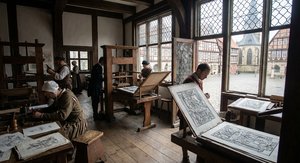
- Early Years and Scientific Breakthroughs: Tschirnhaus's relentless pursuit of porcelain led to the discovery of kaolin clay, crucial for achieving the desired hardness and translucency. Böttger’s subsequent refinement of the process solidified Meissen’s position as a leader in ceramic science, attracting skilled artisans and establishing a workshop that would become synonymous with excellence.
- The Crossed Swords Mark: Introduced in 1720, the crossed swords logo served not only as a protective trademark but also as an emblem of pride—a symbol representing the factory’s commitment to quality and innovation. Its enduring presence speaks volumes about Meissen's unwavering dedication to upholding its reputation for superior craftsmanship.
Artistic Flourishes: From Imitation to Innovation
- Departure from Asian Styles: Initially mirroring the decorative motifs of Chinese porcelain, Meissen artists swiftly embraced European artistic sensibilities. This shift resulted in breathtaking creations that blended classical elegance with vibrant colors and intricate designs—a bold declaration of independence from Eastern influences.
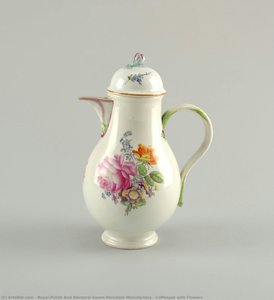
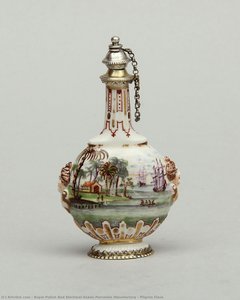
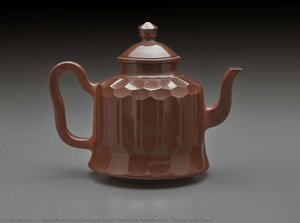
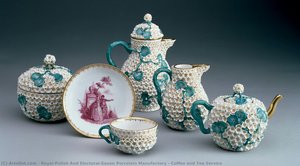
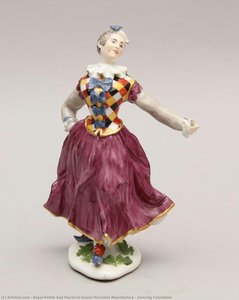
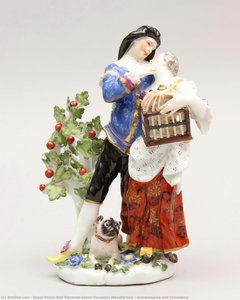
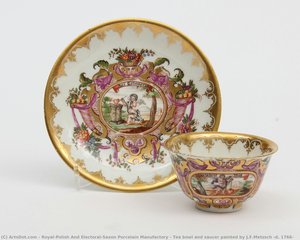
- Iconic Creations: The factory’s output produced masterpieces such as the celebrated coffee and tea service, exemplifying the pinnacle of European porcelain art. These pieces showcased exceptional skill in modeling, glazing, and decoration, cementing Meissen's place among the most revered ceramic ateliers of its time.
A Continuing Tradition: Staatliche Porzellan-Manufaktur Meissen GmbH
- Modern Ownership: Today, Meissen Porcelain Manufactory GmbH operates as a state-owned enterprise under the auspices of Saxony—a legacy rooted in centuries of tradition and upheld by a steadfast commitment to preserving artistic heritage.
- Global Recognition: Recognized globally as one of the oldest and most internationally renowned German luxury brands, Meissen continues to produce exquisite porcelain pieces that honor its illustrious past while embracing contemporary aesthetics. Its enduring success underscores the timeless appeal of craftsmanship and artistry.
Notable Works
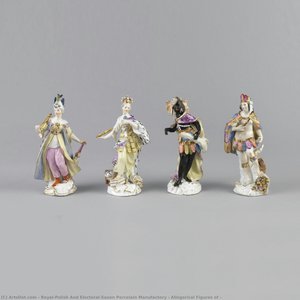
- "Allegorical Figures of Virtue" – Demonstrates the factory’s ability to capture complex concepts in sculptural form, showcasing meticulous detail and refined artistic vision.
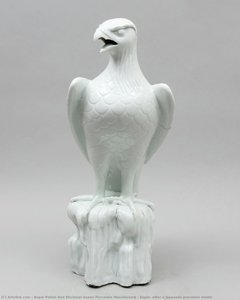
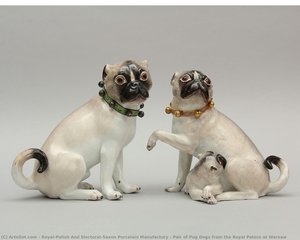
- "Recumbent Leopard" – Represents a masterful blend of realism and elegance, reflecting Meissen's dedication to portraying animals with remarkable accuracy and grace.
- "Allegorical Figure Depicting Putti as Victory" – Exemplifies the factory’s mastery of figurative sculpture, conveying themes of triumph and idealism through graceful poses and expressive faces.
Historical Significance
- A Catalyst for Artistic Change: Meissen Porcelain Manufactory fundamentally altered the trajectory of European ceramics—inspiring subsequent workshops to adopt innovative techniques and stylistic approaches. Its influence extended far beyond its immediate surroundings, shaping artistic tastes and elevating standards across Europe.
- Symbol of German Excellence: Throughout history, Meissen has served as a beacon of German craftsmanship and cultural prestige—a testament to the nation’s capacity for scientific advancement and artistic creativity. Its enduring legacy continues to inspire admiration and celebrates the transformative power of heritage.