Société Française de Fabrication de Bébés et Jouets (SFBJ): The Birth of French Doll Design
The Société Française de Fabrication de Bébés et Jouets, or SFBJ, emerged from a pivotal moment in the history of French toy manufacturing—a crisis fueled by intense competition with German producers. Recognizing the need for collaborative innovation and bolstering national pride, representatives from several prominent Parisian doll companies – Jumeau, Bru, Fleischmann & Bloedel, Gaultier, Gesland, Pannier – forged an alliance in 1899 that would reshape the landscape of French toy artistry for decades to come. This wasn’t merely about boosting profits; it was a deliberate effort to safeguard France's reputation as a center for exquisite craftsmanship and imaginative design. The founding members pooled their patents, trademarks, equipment, and existing inventory—a testament to their shared commitment to preserving tradition while embracing progress.- Genesis of Collaboration: Faced with dwindling sales due to German dominance in production costs, the consortium sought a strategic solution.
- Key Figures: Solomon Fleischmann spearheaded the initiative, bringing together experienced artisans and entrepreneurs like Léon Casimir Bru and François Gaultier.
- Initial Goals: The alliance aimed to standardize doll production, utilize existing molds efficiently, and establish a centralized dressmaking facility—a bold step toward achieving economic stability.
The SFBJ Doll Mold Revolution
Before 1899, French doll makers struggled to compete with German counterparts who prioritized affordability above all else. The resulting dolls lacked the nuanced detail and lifelike appearance that characterized their German rivals. Recognizing this deficiency, SFBJ’s leadership embarked on a transformative endeavor: systematically revitalizing obsolete molds—many dating back to the Victorian era—and introducing innovative designs inspired by French artists. This daring strategy yielded remarkable results. By 1905, SFBJ had successfully revived over 300 molds, dramatically expanding its product range and attracting considerable public attention. The revival of these molds wasn’t simply about replicating existing styles; it was about injecting fresh creativity into established forms—a hallmark of SFBJ's distinctive aesthetic.- Reviving Tradition: SFBJ meticulously scrutinized each mold, assessing its suitability for modern production techniques and artistic embellishment.
- French Artistic Influence: Collaborations with renowned French painters like Francisque Poulbot infused new character designs into the SFBJ repertoire—a conscious effort to elevate French toy artistry.
- Technological Adaptation: Innovative methods were adopted to improve mold accuracy and streamline production, ensuring that SFBJ dolls retained their unparalleled quality while meeting evolving consumer demands.
The Bleuette Doll: A Symbol of Parisian Elegance
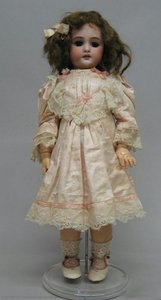
Perhaps the most enduring legacy of SFBJ is the Bleuette doll—a porcelain figurine created in 1899 by Jumeau and subsequently adopted as SFBJ’s flagship product. The Bleuette quickly became synonymous with French elegance and sophistication, captivating children's imaginations across Europe. Unlike earlier dolls that often featured stiff postures and simplistic expressions, the Bleuette possessed a remarkably lifelike appearance thanks to its meticulously crafted porcelain head and delicately painted features. Its matte finish—a revolutionary technique at the time—mimicked human skin tone, creating an illusion of realism unparalleled in its era. The doll’s pose—sitting gracefully on a stool with her hands clasped—became emblematic of feminine poise and refinement.- Innovative Technique: SFBJ pioneered the use of matte porcelain glaze, achieving a stunning resemblance to human skin texture.
- Iconic Pose: The Bleuette’s seated posture conveyed grace and composure—a deliberate stylistic choice reflecting French cultural values.
- Cultural Significance: The Bleuette transcended mere toy status, embodying ideals of femininity and artistic excellence that resonated deeply with Victorian audiences.
Decline and Legacy
Despite its initial success, SFBJ faced significant challenges during the tumultuous years following World War I. Economic hardships compounded by shifting consumer tastes gradually eroded the consortium’s profitability. By 1957, SFBJ dissolved its operations, marking the end of an era in French toy history. However, SFBJ's influence endured—its pioneering techniques and artistic vision continued to inspire subsequent generations of doll makers. The revival of obsolete molds, the embrace of French artistic inspiration, and the creation of the Bleuette doll stand as testaments to SFBJ’s enduring contribution to the art of dollmaking and its indelible imprint on French cultural heritage. Its legacy persists in the meticulous craftsmanship and evocative beauty of dolls produced today—a reminder that innovation can emerge from collaboration and tradition.- Post-War Difficulties: Economic instability hampered SFBJ’s ability to compete with newer, more adaptable manufacturers.
- Changing Consumer Preferences: Shifts in tastes away from elaborate porcelain dolls contributed to the consortium's decline.
- Enduring Influence: SFBJ’s techniques and aesthetic principles continue to inspire contemporary dollmakers—affirming its place as a pivotal figure in toy design history.