The Visceral Pulse of Spencer Bray
Born on September 12, 1997, in the tranquil landscapes of Spokane, Washington, Spencer Bray has emerged as a formidable and transformative presence within the realm of contemporary performance art. His origins, rooted in the serene lakeside regions of North Idaho, provided a backdrop of multigenerational tradition that would eventually serve as the foundation for his exploration of movement and expression. From an early age, Bray demonstrated an innate fascination with the boundaries of physical storytelling, seeking ways to communicate profound human experiences that transcend the limitations of traditional, static mediums. This organic development led him toward a practice where the body itself becomes the primary canvas, capable of articulating the complexities of identity and the raw textures of existence.
Bray’s ascent into the global consciousness was marked by a series of high-profile cinematic and television contributions that showcased his unique ability to inhabit characters with unparalleled nuance. His breakthrough in 2018, through appearances in notable series such as Everything Sucks! and The Handmaid’s Tale, established him as a performer capable of conveying deep psychological states through physical precision. However, it was his involvement in Quentin Tarantino's Once Upon a Time in Hollywood that truly propelled him into the wider spotlight, demonstrating a commanding screen presence. This momentum continued through critically acclaimed roles in HBO’s Euphoria and the inaugural season of The White Lotus, where his portrayal of Ethan Spiller earned significant praise, further cementing his reputation as an artist who can navigate both mainstream recognition and avant-garde depth.
Technique, Influence, and the Human Condition
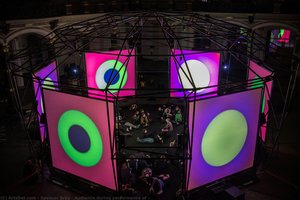
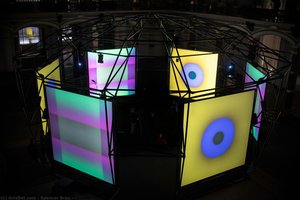
At the heart of Bray’s artistic methodology lies a deliberate rejection of the static. His style is defined by a profound dynamism, favoring improvisation and fluid movement to dissect the psychological landscapes of his subjects. This approach is deeply informed by the legacies of legendary figures in physical theatre, such as Pina Bausch and Jerzy Grotowski. By integrating these influences, Bray utilizes techniques that allow him to explore themes of vulnerability, resilience, and the often-uncomfortable truths of the human condition. His work is not merely a display of skill but an investigation into the very essence of being, prompting audiences to confront the societal and personal tensions that define our era.
The significance of Bray's work lies in its ability to bridge the gap between performance and social commentary. Through his movements, he examines intricate issues regarding gender, identity, and the resilience required to navigate modern society. His performances function as visceral explorations, where every gesture is loaded with symbolic weight, designed to provoke thought and emotional resonance. As a rising star in both the cinematic and performance art worlds, Bray continues to push the boundaries of how we perceive character and narrative, ensuring that his impact on contemporary art remains both profound and enduring.