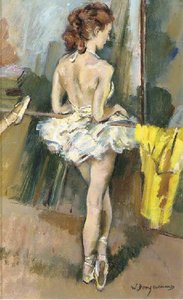
Wilhelmus Hendrikus Petrus Johannes Zwart (1862-1931): A Painter Bridging Two Movements
Wilhelmus Hendrikus Petrus Johannes Zwart, commonly known as Willem de Zwart, was a Dutch painter whose artistic journey spanned the formative years of the Hague School and blossomed amidst the burgeoning Impressionism movement in Amsterdam. Born in The Hague in 1862, his life’s work reflected an evolving understanding of color, light, and landscape—elements that would ultimately define him as a pivotal figure in late nineteenth-century Dutch art.
- Early Life & Education: Zwart received his initial artistic training at the Koninklijke Academie voor Beeldende Künsten in Amsterdam, where he honed his skills under luminaries like Anton Mauve and Isaac Israëls—artists deeply rooted in Hague School principles. This early exposure instilled a meticulous attention to detail and a commitment to capturing atmospheric conditions with remarkable accuracy.
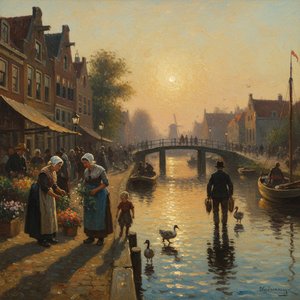
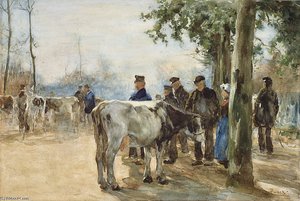
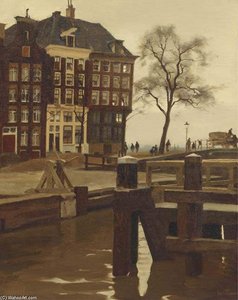
- The Hague School Influence: Zwart’s formative years coincided with the zenith of the Hague School, characterized by its muted palettes and focus on depicting Dutch landscapes with psychological depth. Paintings from this period—such as “De Nieuwe Markt” (1893)—demonstrate Mauve's influence in portraying everyday life with understated elegance and capturing subtle nuances of emotion.
- Amsterdam Impressionism Embrace: Around 1900, Zwart transitioned to Amsterdam, immersing himself in the vibrant energy of Impressionist circles. This shift marked a significant stylistic evolution, as evidenced by canvases like “Het Voorjaar” (1903), which boldly employed brighter hues and looser brushstrokes—techniques championed by artists like Israëls and Hendrik Willem Maris.
Notable Paintings & Artistic Style
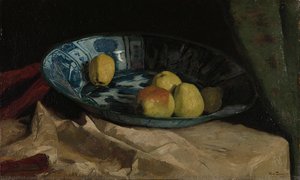
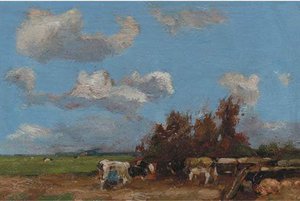
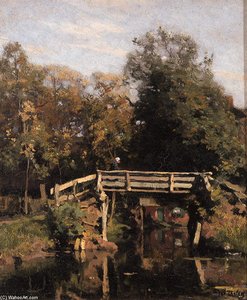
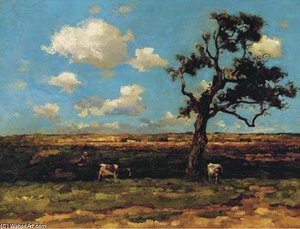
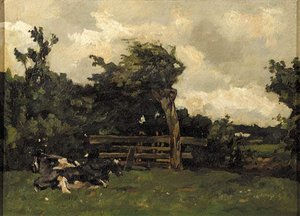
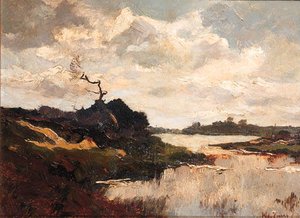
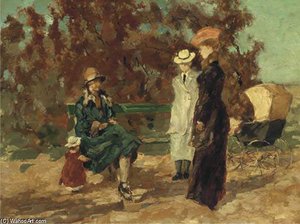
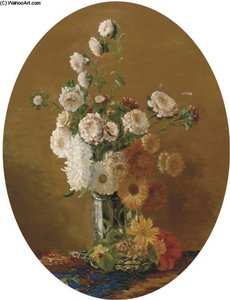
Zwart’s oeuvre encompasses a diverse range of subjects, including landscapes, cityscapes, portraits, and animal studies. However, his paintings consistently prioritized capturing the fleeting beauty of nature—particularly springtime meadows bathed in sunlight—and conveying a sense of tranquility and contemplation. His meticulous observation of light and color—a hallmark of both Hague School and Impressionist aesthetics—established him as a master of tonal gradation and atmospheric perspective.
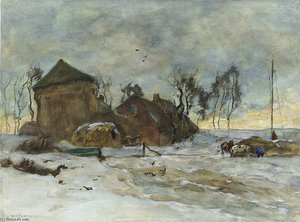
- Landscape Dominance: Landscapes constituted the core of Zwart’s artistic output, reflecting his profound appreciation for the Dutch countryside. His depictions frequently incorporated elements of symbolism—such as flowering trees representing rebirth and renewal—underscoring the humanist spirit prevalent in both movements.
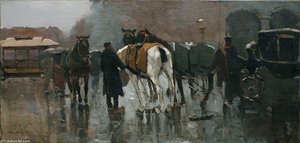
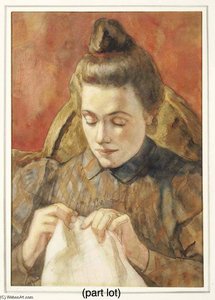
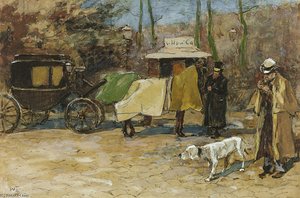
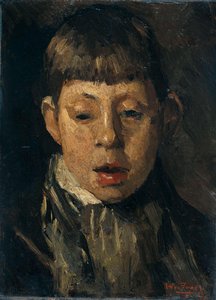
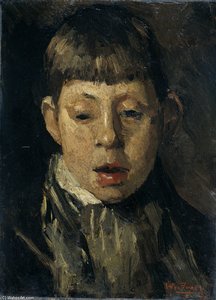
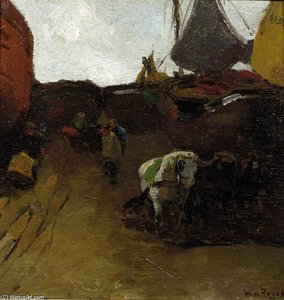
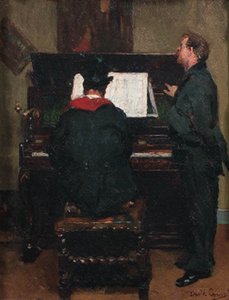
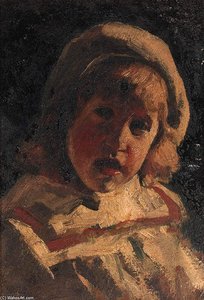
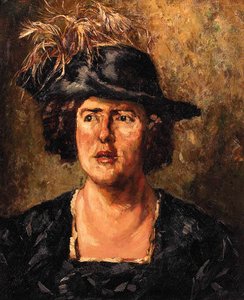
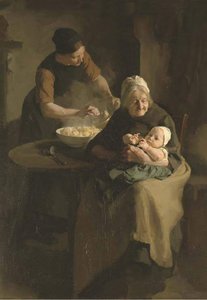
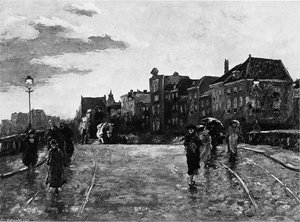
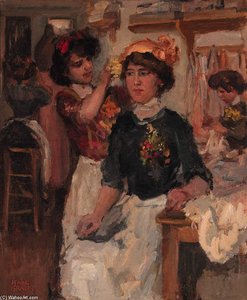
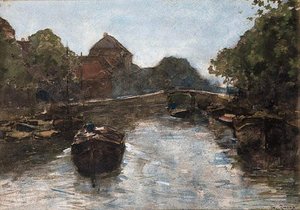
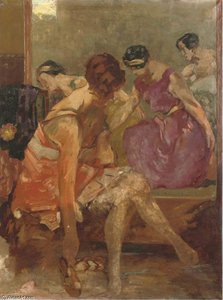
- Urban Scenes & Portraits: While landscapes held a special place in his heart, Zwart also produced compelling urban scenes capturing the dynamism of Amsterdam’s bustling streets. Furthermore, he excelled at portraying human subjects with sensitivity and nuance—capturing expressions of emotion and conveying psychological portraits that transcended mere likeness.
Recognition & Legacy
Despite facing challenges during his lifetime—including financial difficulties and limited commercial success—Zwart’s artistic reputation endured, securing him a place among the most respected figures of Dutch Impressionism. His paintings continue to inspire admiration for their technical brilliance and emotional resonance, cementing his legacy as a bridge between two influential artistic traditions. Today, Zwart's works are housed in prominent museums across Europe, ensuring that his contribution to art history remains accessible to future generations.
Concluding Thoughts
Wilhelmus Hendrikus Petrus Johannes Zwart’s artistic journey exemplifies the transformative power of stylistic experimentation and the enduring fascination with capturing the essence of human experience within the framework of natural beauty. By synthesizing the meticulous observation of Hague School principles with the bold embrace of Impressionist techniques, he achieved a remarkable synthesis—a testament to his unwavering dedication to artistic excellence and a lasting contribution to the canon of Dutch art.