

A City as a Canvas: The Soul of the 15th Istanbul Biennial
In the autumn of 2017, the streets of Istanbul did not merely host an art exhibition; they became a living, breathing organism of inquiry. The 15th Istanbul Biennial, curated by the visionary artist duo Elmgreen & Dragset, transformed the sprawling urban landscape into a profound meditation on the concept of "home." Moving far beyond the sterile confines of traditional white-cube galleries, the biennial invited the public to reconsider the very fabric of their surroundings. Under the evocative guiding question, “Is a good neighbour…?” , the exhibition dismantled the boundaries between private sanctuary and public existence, forcing a dialogue between the intimacy of domestic life and the vast, often turbulent, realities of global migration and social displacement.
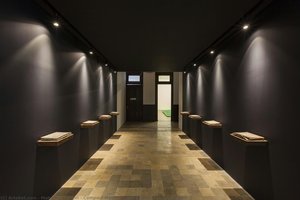
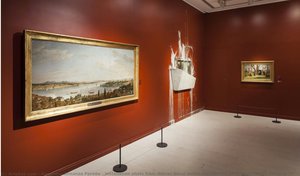
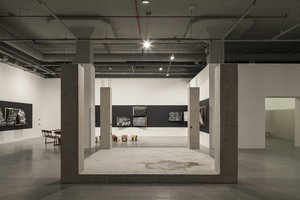
The brilliance of this edition lay in its architectural choreography, where the venues themselves acted as vessels of meaning. The sleek, contemporary lines of the Istanbul Museum of Modern Art provided a sharp contrast to the historical weight of the Pera Museum, creating a rhythmic tension between the new and the old. Yet, the true magic occurred in the unexpected corners of the city—within the steam-filled echoes of ancient hammams, abandoned industrial structures, and sun-drenched public squares. By repurposing these spaces, the biennial stripped away the elitism often associated with contemporary art, making the profound themes of belonging and community accessible to every passerby, turning the entire metropolis into a shared stage for emotional confrontation.
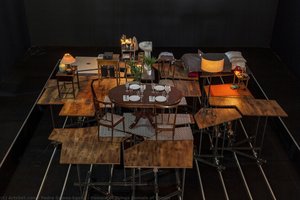
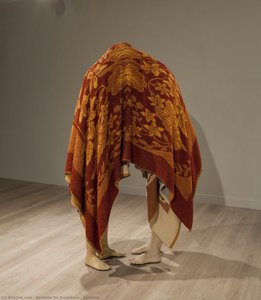
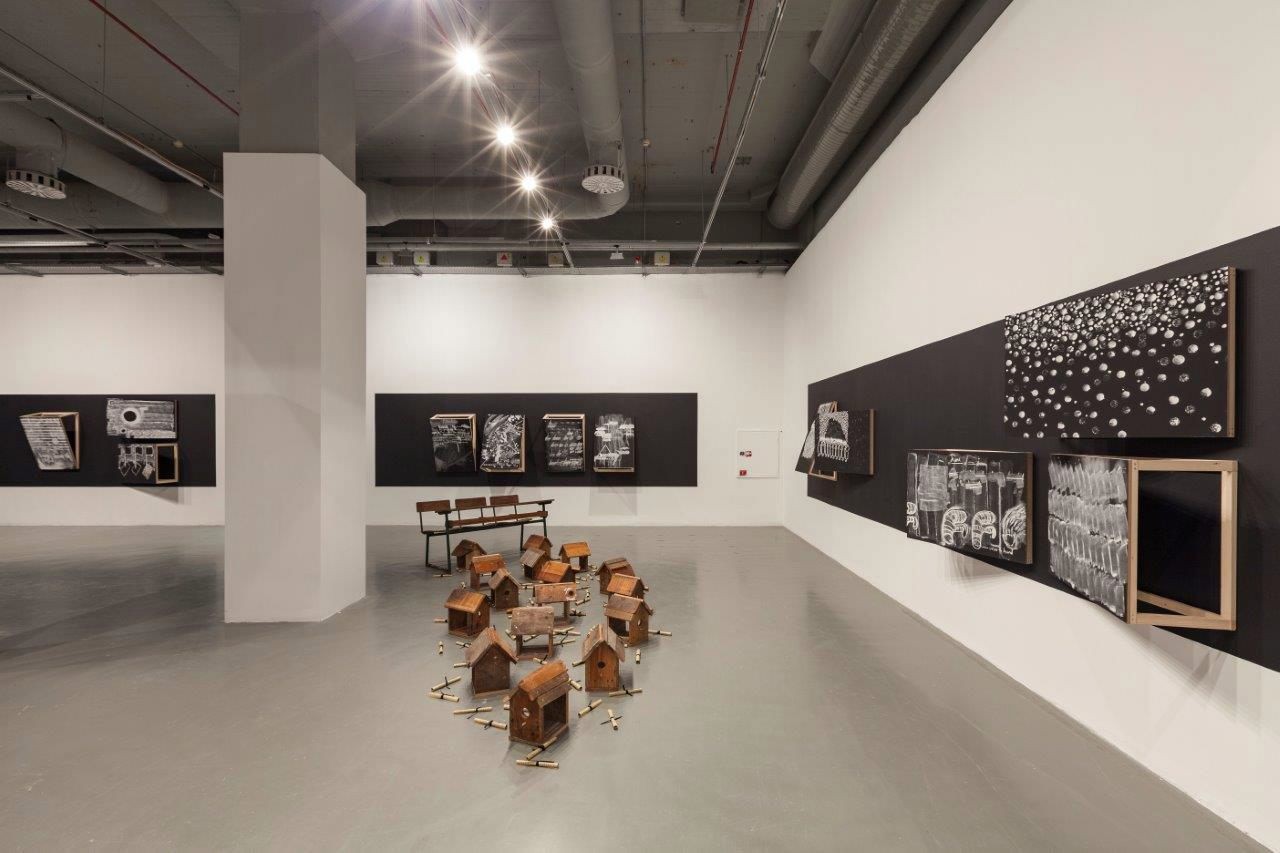
The collection of works presented during this landmark event was as diverse as the city itself, weaving together a tapestry of multimedia mastery. Visitors encountered immersive installations that physically altered their perception of space, alongside sculptures that oscillated between monumental presence and delicate intimacy. The curation brought together a global constellation of talent, including the hauntingly beautiful works of Louise Bourgeois and the poignant social documentations of Sim Chi Yin. Each piece served as a thread in a larger narrative regarding the precarity of modern life; whether through the lens of video art, photography, or performance, the artworks challenged viewers to confront their own biases and recognize the shared humanity that exists even within our most fragmented societies.
Ultimately, the legacy of the 15th Istanbul Biennial resides in its ability to foster a deep, lasting empathy. It was an exhibition that refused to offer easy answers, choosing instead to dwell in the complexity of the human condition. For the art lover and the collector alike, it remains a definitive moment in contemporary art history—a time when the distinction between the observer and the observed dissolved, leaving behind only the haunting, beautiful realization that home is not merely a physical structure, but an intricate web of relationships, memories, and the enduring hope for a better neighbour.