
A Sanctuary of the American West: Discovering the Anschutz Collection
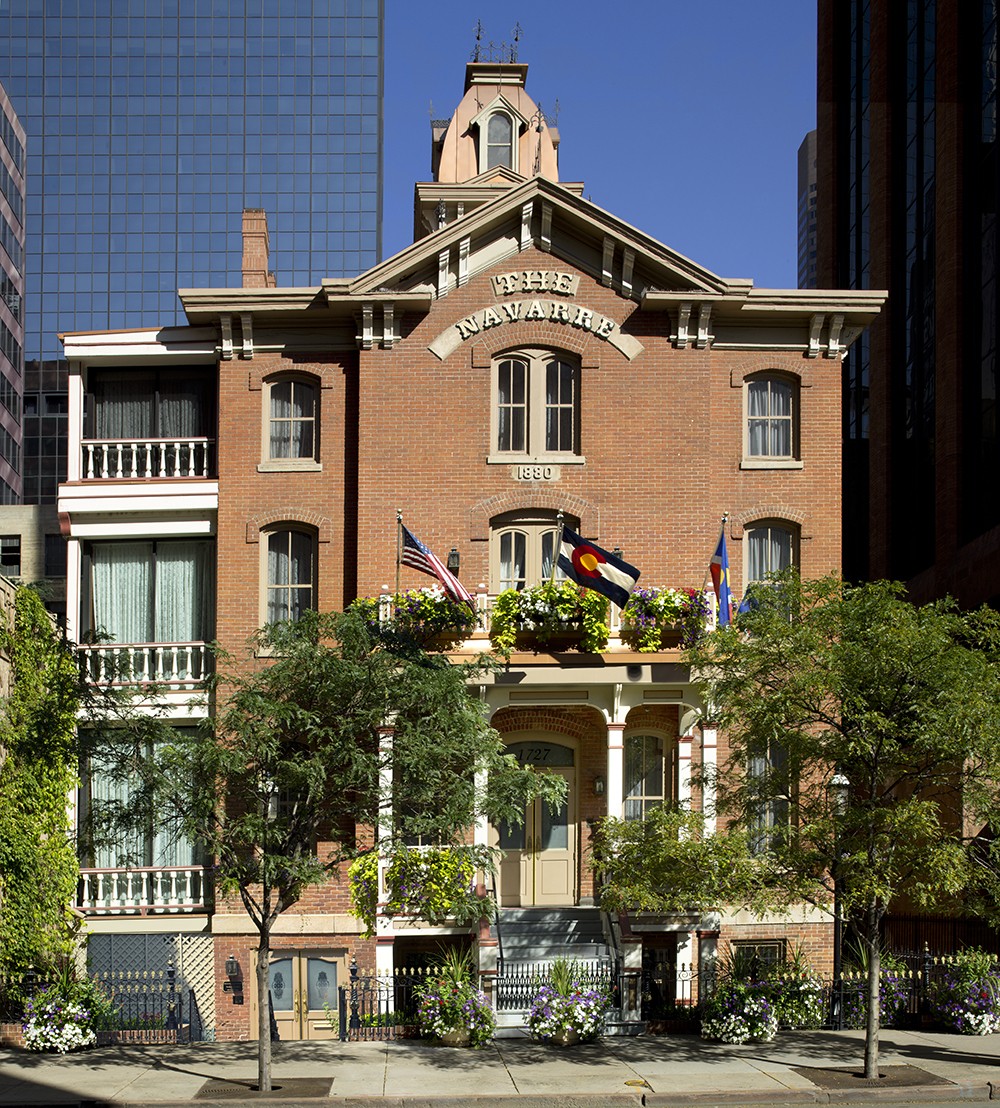
Nestled in the heart of Denver, Colorado, the American Museum of Western Art – The Anschutz Collection stands as a profound testament to the spirit and artistry of the American West. More than just a repository of paintings and sculptures, it is an immersive journey through landscapes that shaped a nation, histories etched in brushstrokes, and cultures interwoven into the very fabric of the region. Founded in 2010, this relatively young institution safeguards a collection amassed over decades by businessman Philip Anschutz, offering visitors a unique opportunity to witness the evolution of Western art from its earliest expeditionary paintings to compelling contemporary interpretations.
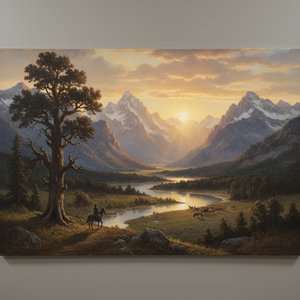
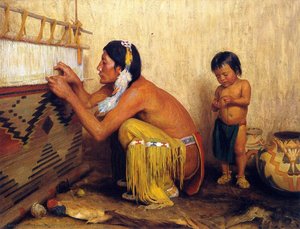
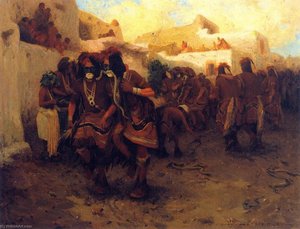
Stepping inside is akin to traversing time itself, beginning with breathtaking 19th-century masterpieces that capture the raw beauty and untamed wilderness of the West. One can almost feel the grandeur of the frontier while standing before Albert Bierstadt's sweeping vistas, where light dances across towering mountains and vast plains—works that not only documented a landscape but also fueled the national imagination. Alongside these grand scenes of nature are intimate portraits and depictions of frontier life, offering glimpses into the daily realities of pioneers, Native Americans, and cowboys. The collection does not shy away from portraying the complexities of this era; it presents both the romantic allure and the harsh challenges faced by those who settled the West. Particularly noteworthy is George Catlin’s “Dog Dance at Fort Snelling,” a vibrant depiction capturing a moment of communal celebration amidst the rugged beauty of Minnesota—a testament to Catlin’s pioneering approach to portraying Native American culture with respect and artistic integrity.
A Dialogue Between Past and Present
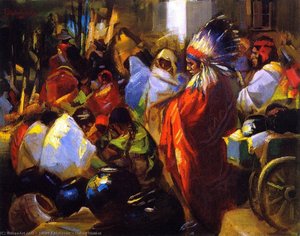
What truly distinguishes the Anschutz Collection is its commitment to showcasing not only historical representations but also contemporary perspectives on Western themes. The museum actively seeks out artists who engage with the legacy of the West, reinterpreting its myths and confronting its realities through innovative techniques and thought-provoking concepts. This dialogue between past and present creates a dynamic tension within the galleries, prompting viewers to consider how our understanding of the American West continues to evolve. Sculptures and three-dimensional installations further enrich this experience, adding depth and texture to the narrative, inviting visitors to engage with the art from multiple perspectives.
The museum’s curation often bridges the gap between centuries, as seen in works like Frank Wilbert Stokes’ “Garden of the Gods, Colorado.” Executed in 1899, this stunning landscape utilizes Impressionistic brushstrokes to convey a sense of serene grandeur, proving that the essence of the West remains a fertile ground for artistic experimentation. For the art enthusiast or the interior designer seeking to infuse a space with the rugged elegance of the frontier, these works offer an unparalleled source of inspiration.
Architecture and Enduring Legacy
The museum building itself is thoughtfully designed to complement its collection, serving as an extension of the art it houses. Spacious galleries are bathed in natural light, enhancing the vibrancy of the colors and textures within each artwork. The architecture subtly echoes Western motifs without being overtly thematic—a blend of modern design that creates a welcoming and contemplative atmosphere. This careful attention to detail extends beyond the gallery spaces; every aspect of the museum experience is curated to foster a deeper connection between visitors and the art they encounter.
Throughout its history, AMWA has hosted exhibitions exploring diverse facets of Western art and culture, ranging from retrospective surveys of iconic artists to explorations of regional traditions. Through collaborations with universities and educational programs, the museum ensures that knowledge about the collection and its artistic significance reaches a broad audience. As a vital cultural hub, the American Museum of Western Art remains dedicated to preserving and celebrating the artistic heritage of the American West, ensuring that the enduring legacy of the frontier continues to resonate for generations to come.