A Royal Sanctuary of Art: Exploring The Apartments of the Duchesse d'Étampes
Nestled within the grandeur of Fontainebleau Palace, lies a space unlike any other – The Apartments of the Duchesse d’Étampes. More than just rooms adorned with beautiful art; it represents a pivotal moment in French Renaissance history and embodies the passionate romance between King Francis I and his mistress, Anne de Pisseleu. This intimate enclave served as a crucible for artistic innovation and continues to captivate visitors today.
-
Historical Significance:
Commissioned by Francis I in 1536, these apartments weren’t conceived solely for comfort but as a deliberate statement of royal power and refined taste. Anne de Pisseleu's influence extended beyond the personal realm; she actively championed artists like Charles Robert Leslie and Jean Baptiste Oudry, fostering a vibrant artistic environment that cemented Fontainebleau’s reputation as a center of Renaissance culture.
-
Architectural Marvel:
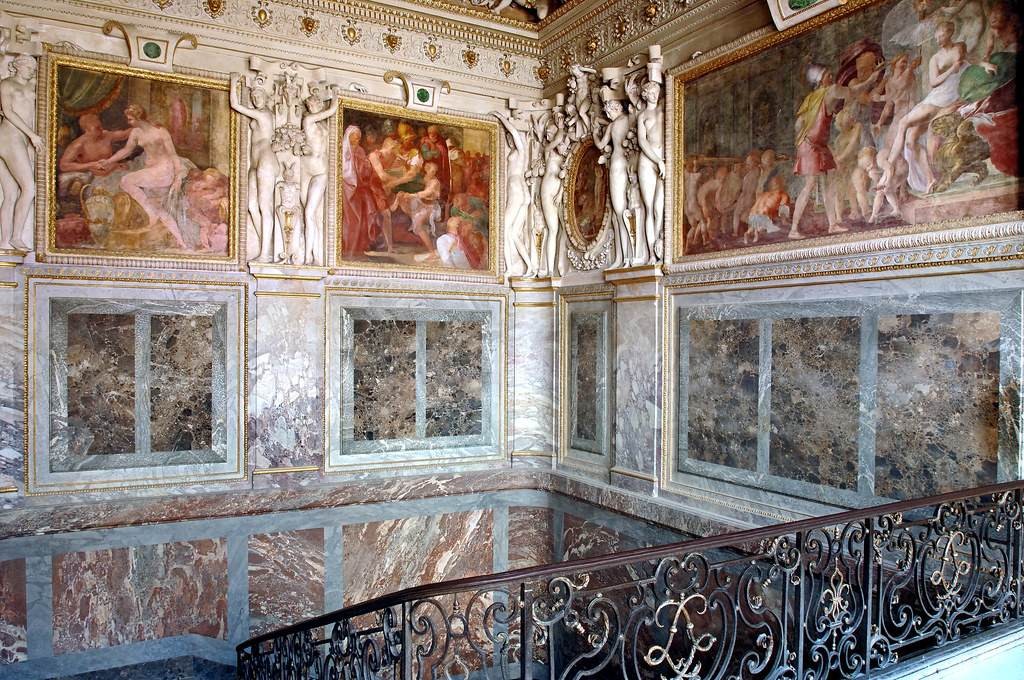
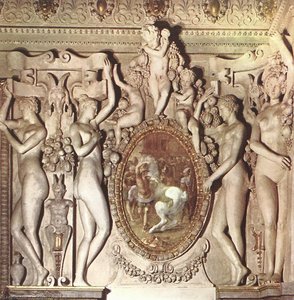
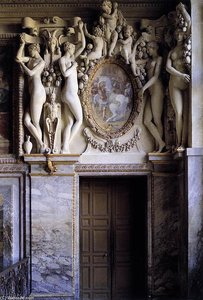
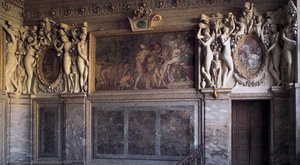
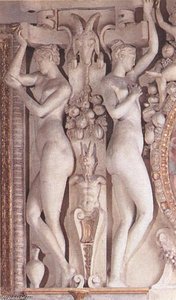
The design adheres to the prevailing Italian Renaissance style, skillfully blending classical proportions with French decorative sensibilities. Architects utilized stucco work—particularly intricate friezes depicting mythological scenes—to create breathtaking visual illusions and elevate the aesthetic experience.
Treasures Within Walls: Collection Highlights
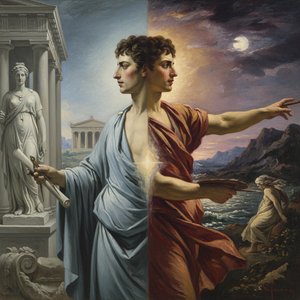
The Apartments boast an extraordinary collection of Renaissance art, showcasing masterpieces that illuminate Anne de Pisseleu’s discerning eye. Among these treasures is ‘Sketch For “sancho Panza…” by Charles Robert Leslie—a Romantic oil painting brimming with opulent detail and dramatic light. Observe the masterful impasto technique, rich colors, and a narrative of aristocratic intrigue. Furthermore, Richard Parkes Bonington's depiction of Francis I and the Duchess exemplifies the artistic fervor of the era. The meticulous attention to realism and expressive brushstrokes underscore the period’s commitment to capturing human emotion and grandeur.
A Symphony of Decoration: Frescoes & Stucco Work
The walls and ceilings are adorned with stunning frescoes by Fontainebleau School artists, depicting scenes from classical mythology and biblical narratives. These artworks demonstrate exceptional skill in perspective and color palette—techniques that were revolutionary for their time. Equally impressive is the intricate stucco work, featuring elaborate garlands, floral motifs, and sculptural reliefs. Each element contributes to a cohesive visual tapestry that reflects the humanist ideals of the Renaissance.
Beyond the Canvas: Notable Exhibitions
Fontainebleau Palace regularly hosts exhibitions dedicated to exploring the artistic legacy of the Renaissance and highlighting the influence of Anne de Pisseleu’s patronage. Recent displays have focused on comparative studies between Fontainebleau and other European courts, demonstrating how French art responded to broader cultural trends. These events offer invaluable insights into the context surrounding the creation of these magnificent artworks.
What Sets Apart This Space?
Unlike grand state rooms designed for public spectacle, The Apartments of the Duchesse d’Étampes stand apart as a testament to intimacy and personal expression. Stepping inside feels like entering a historical novel—a captivating journey through the love affairs, artistic passions, and political intrigues of 16th-century France. It's a space where art served not merely as decoration but as a conduit for conveying emotion and celebrating humanist ideals – ensuring its enduring fascination for generations to come.