


A Bastion of British Finance & Art: Exploring the Bank of England Museum
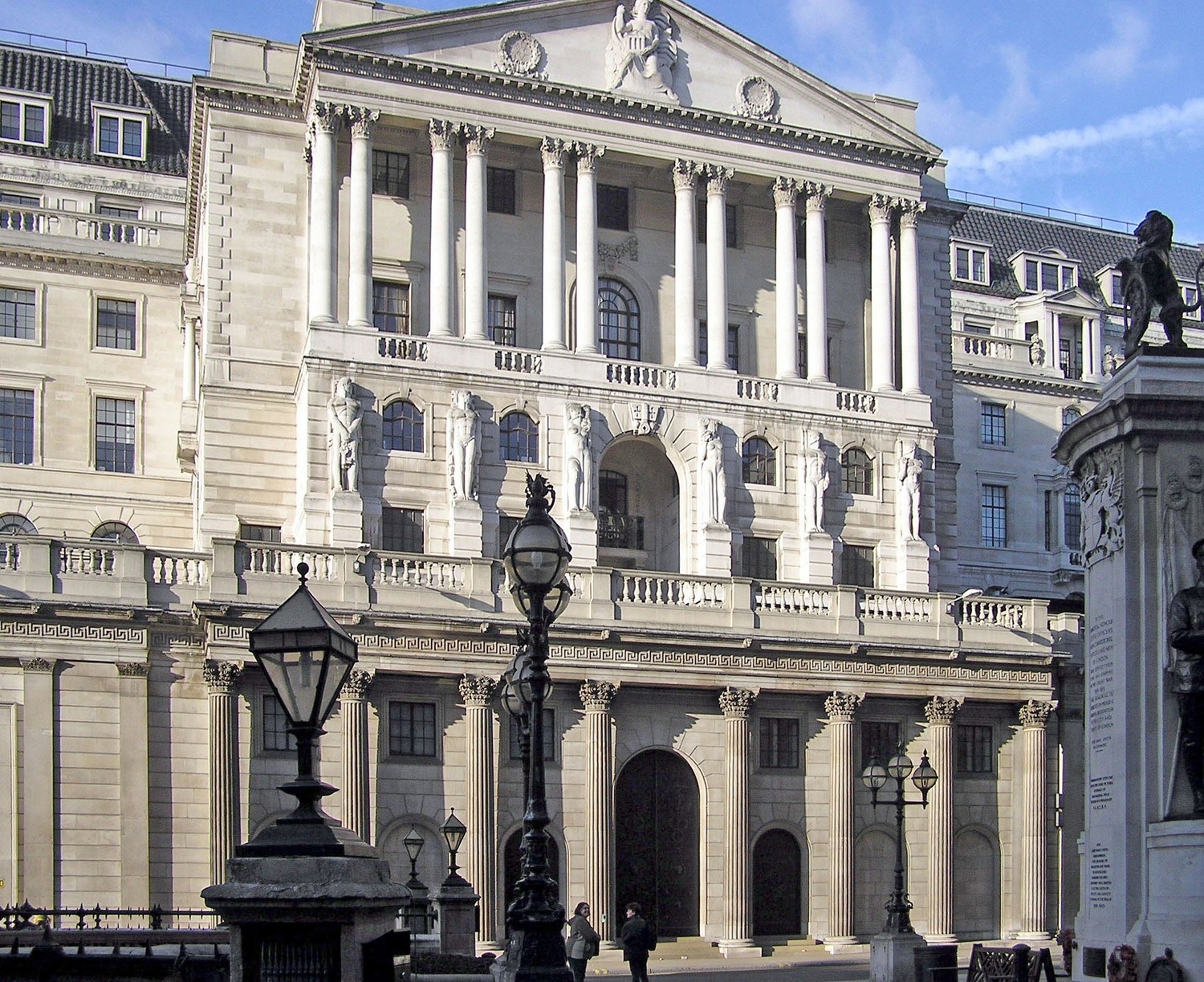
Nestled within the pulsing financial heart of London, the Bank of England Museum presents a surprisingly rich artistic tapestry woven alongside its monumental monetary chronicle. Established in 1988 by Queen Elizabeth II and housed within Sir John Soane’s magnificent Bank building—a neoclassical testament to architectural grandeur—this institution transcends mere economic history. It invites visitors into a profound dialogue with Britain's past, present, and an enduring fascination for wealth, stability, and the aesthetic beauty of craftsmanship. To step inside is to enter a space where the cold logic of commerce meets the warm, evocative power of human creativity.
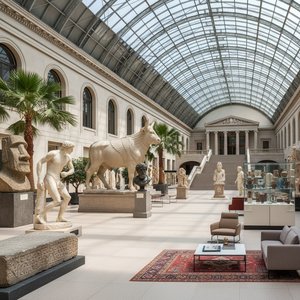
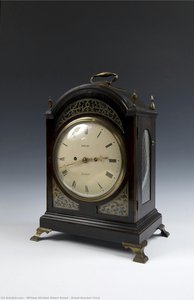
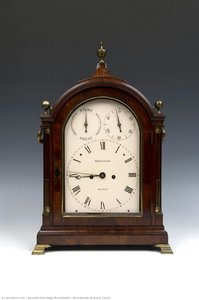
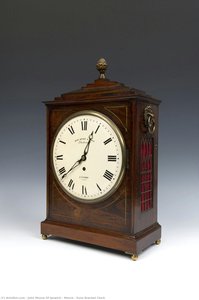
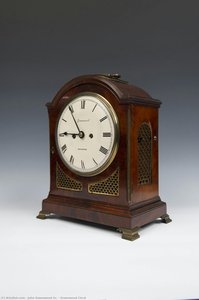
The museum’s physical presence is itself a masterpiece of architectural significance. Designed by the visionary Sir John Soane, the building reflects a brilliant blend of classical influences and eclectic grandeur. One cannot help but be moved by the Rotunda, where twelve elegant caryatids stand as symbolic figures representing strength and enduring value, guarding a central gold display with silent, stony grace. This architectural splendor provides a breathtaking backdrop for the museum’s vast collection, which surpasses 40,000 items. For the interior designer or lover of fine objects, the museum offers an unparalleled glimpse into antique furniture and decorative arts that can inspire the most sophisticated design choices.
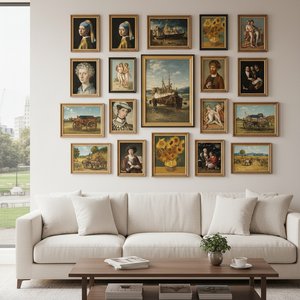
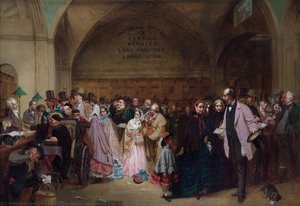
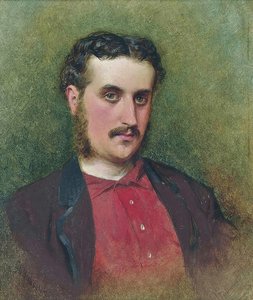
Beyond the structural marvels, the heart of the museum beats through its diverse collection of treasures. The Banknote Gallery serves as a captivating journey through time, tracing the evolution of printing techniques alongside the changing faces that have graced British currency—a visual narrative reflecting shifts in national identity and cultural pride. Alongside these paper legacies, the museum houses exquisite oil paintings and sculptures that contribute to a broader understanding of Britain’s cultural heritage. The collection is not merely a repository of wealth but a curated experience where history, art, and economics converge seamlessly.
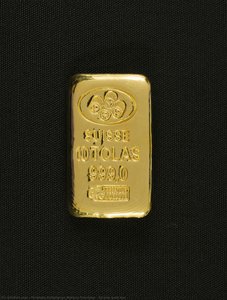
The museum’s vitality is further sustained by rotating exhibitions that engage contemporary perspectives and challenge the viewer. From the celebration of artistic talent in Feliks Topolski: Drawing Debden to thematic explorations like 325 Years, 325 Objects , the institution remains a living, breathing entity. For the curious collector or the casual visitor, the opportunity to examine genuine gold bars adds a tactile, visceral dimension to the learning experience. It is this singular blend of disciplines—where the weight of gold meets the lightness of a brushstroke—that makes the Bank of England Museum an indispensable destination for anyone captivated by the intersection of human industry and artistic expression.