



A Sanctuary of Art Deco Grandeur
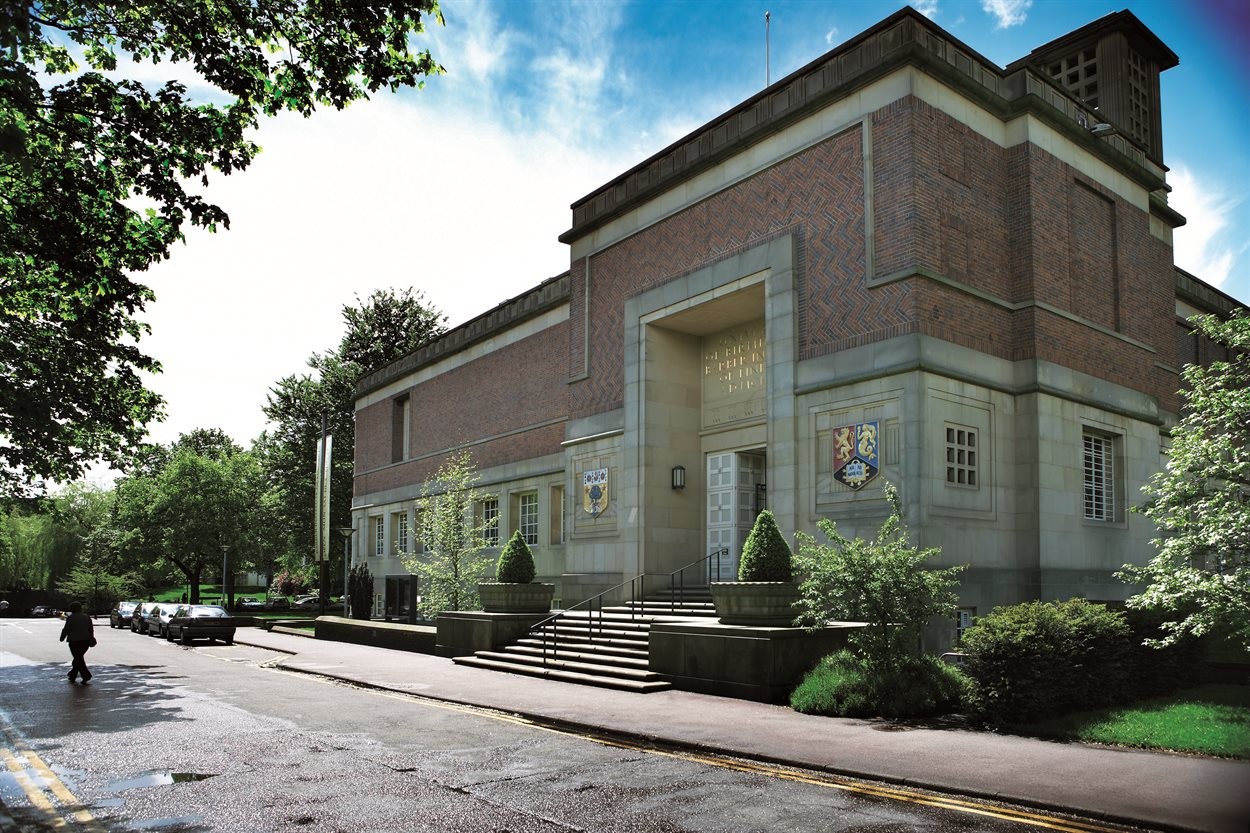
Nestled within the verdant, scholarly embrace of the University of Birmingham, the Barber Institute of Fine Arts stands as a profound testament to the elegance of a bygone era. To approach this architectural jewel is to step into a vision of 1930s sophistication, where the spirit of English architecture finds its most refined expression. Designed by the visionary Robert Atkinson and opened in 1939 by Queen Mary, the building itself is an Art Deco masterpiece that commands reverence. Its facade, adorned with intricate Heraldic Shields meticulously crafted by Gordon Herickx, whispers tales of heritage and prestige, inviting the passerby into a realm where light and geometry dance in perfect harmony. The structure does not merely house art; it breathes it, utilizing luxurious materials like travertine marble and soaring, polished wood panels to create an atmosphere that is simultaneously monumental and intimate.
The heart of this sanctuary beats within its central concert hall, a space where the boundaries between visual and auditory beauty dissolve. This ingenious layout, radiating outward from a core of musical contemplation, leads visitors through a series of beautifully proportioned galleries that feel less like museum rooms and more like private salons for the soul. For the interior designer or the lover of fine aesthetics, the Institute offers an unparalleled study in how space, light, and classical proportions can elevate the human experience, making it a beacon of artistic excellence that remains as relevant today as it was at its inception.
A Symphony of Masterpieces
The collection held within these walls is nothing short of legendary, often described by critics as the last great art collection of the twentieth century. Under the astute guidance of its inaugural director, Thomas Bodkin, the Institute assembled a treasury of international significance with a focused eye that bypassed mere quantity in favor of profound quality. This curated excellence allows for a breathtaking dialogue between different eras and movements. One might find themselves lost in the shimmering, ethereal light of Claude Monet’s Water Lilies , only to be suddenly confronted by the raw, psychological intensity of Vincent van Gogh’s Self-Portrait with Bandaged Ear . This juxtaposition of Impressionist luminosity and Post-Impressionist emotion creates a narrative arc that is both jarring and deeply moving.
Beyond the celebrated giants of French modernism, the Barber Institute offers a rich tapestry of European history. The galleries whisper with the delicate brushwork of Edgar Degas and the vibrant, primal palettes of Paul Gauguin, yet they also ground the visitor in the timeless traditions of the Renaissance. Exquisite works by masters such as Sandro Botticelli, Giovanni Bellini, and Veronese provide a window into the spiritual and technical heights of the Italian masters. This breadth is further enriched by a significant collection of British art, where the atmospheric landscapes of J.M.W. Turner and the graceful portraiture of Thomas Gainsborough and Joshua Reynolds lend a sense of national pride and historical continuity to the halls.
A Legacy of Discovery and Devotion
What truly distinguishes the Barber Institute is its enduring mission as a vibrant hub for both scholarly study and public engagement. Founded by Lady Martha Constance Hattie Barber as a moving memorial to her husband, William Henry Barber, the institution was never intended to be a static repository of the past. Instead, it was conceived as a living entity where art and music could intersect to foster deep understanding. This commitment to education is woven into the very fabric of its existence, from its meticulously curated permanent collections to its dynamic, rotating exhibitions that continue to challenge and inspire contemporary audiences.
As the Institute prepares for its next chapter, including a highly anticipated reopening in June 2026, it remains a cornerstone of Birmingham’s cultural identity. For the collector seeking inspiration or the art enthusiast searching for a moment of transcendence, the Barber Institute offers more than just a viewing of objects; it offers an encounter with history. It is a place where the brilliance of the past meets the curiosity of the present, ensuring that its legacy of artistic scholarship and aesthetic beauty will continue to illuminate the world for generations to come.