
A Florentine Renaissance Reimagined: Immersing Yourself in BIAF
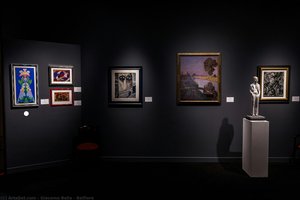
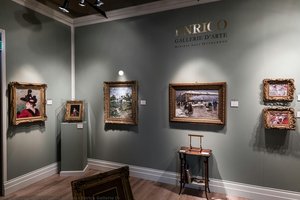
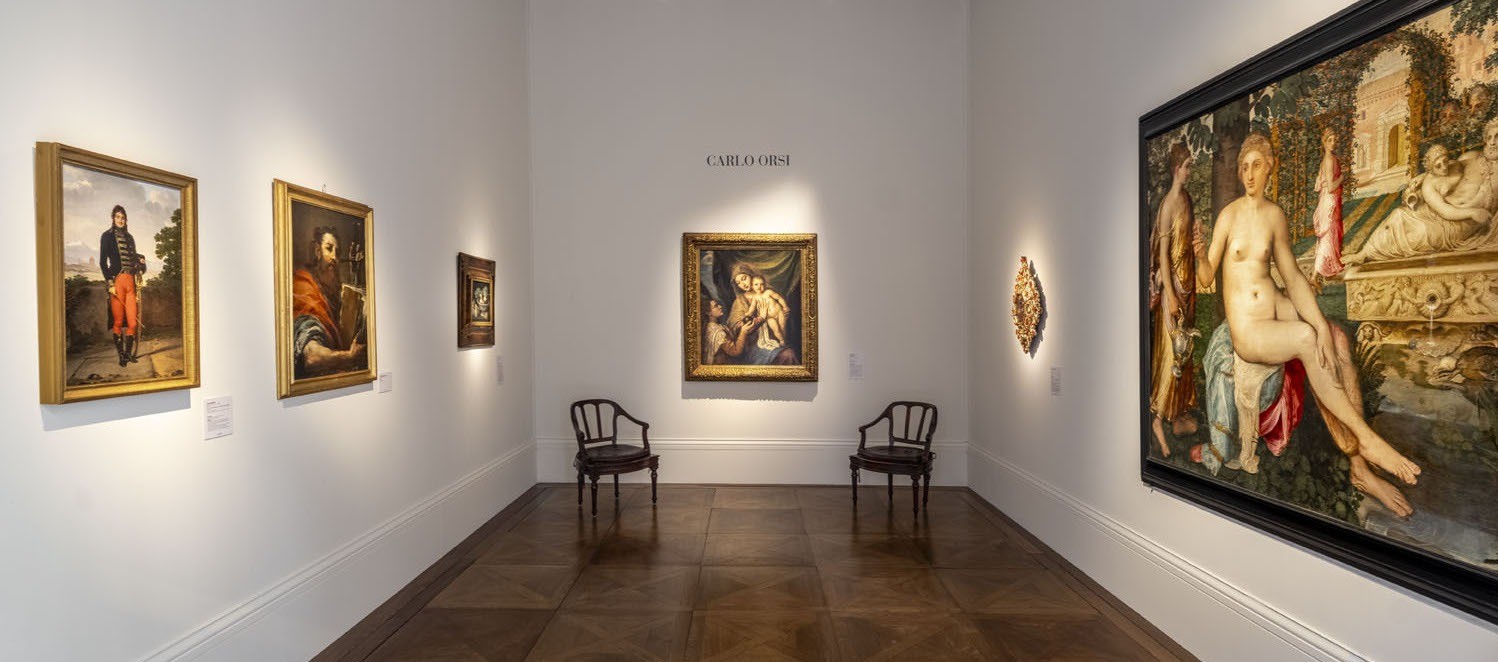
Florence breathes art; it isn’t merely a city *with* art, but a city *of* art, woven into its very stones and echoing through its palazzi. Within this atmosphere of enduring beauty resides the Biennale Internazionale dell'Antiquariato di Firenze (BIAF), an event that transcends the typical antique fair to become a curated pilgrimage into the heart of Italian artistry. Held within the magnificent Palazzo Corsini, itself a baroque masterpiece, BIAF offers not just a viewing experience but an immersion – a chance to connect with centuries of craftsmanship and Italy’s rich cultural heritage. Walking through its grand halls feels akin to stepping back in time, surrounded by tangible echoes of a glorious past where noble families commissioned masterpieces and artistic patronage flourished. The palace walls seem to whisper stories, imbuing each antique object with an almost palpable sense of history and significance.
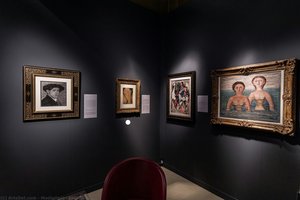
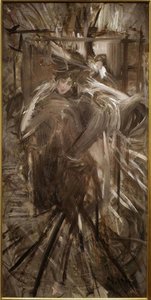
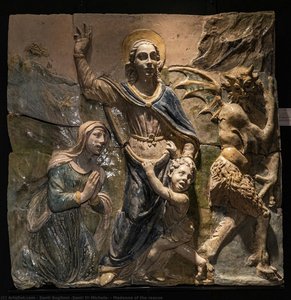
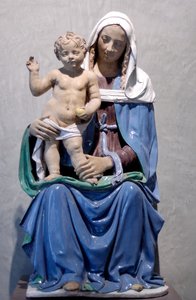
What truly distinguishes BIAF from other international art fairs is its unwavering dedication to Italian antiques and collectibles. This focused approach allows for a depth of expertise rarely found elsewhere, resulting in a remarkably cohesive collection. Here, one doesn’t encounter a disparate array of global artifacts; instead, visitors are presented with a carefully selected panorama of *Italianità* – the very essence of Italian style and artistry. Expect to discover exquisite antique furniture reflecting regional variations in design, from the sturdy, dark woods of Tuscany to the lighter, more ornate styles of Venice; gleaming silverwork showcasing masterful silversmithing techniques passed down through generations, often bearing the marks of renowned Florentine workshops; delicate ceramics revealing centuries of ceramic traditions – from the vibrant Madderware of Faenza to the refined porcelain of Capodimonte; captivating paintings that capture the spirit of their age, reflecting both the grandeur of the Renaissance and the subtle nuances of Baroque drama; and sculptures embodying both classical ideals and baroque dynamism. The Biennale’s rigorous selection process ensures authenticity and value, offering collectors a secure environment to acquire exceptional pieces – not merely possessions, but fragments of Italian history, testaments to enduring artistic skill. Consider, for instance, the exquisite detail found in a Florentine still-life from the early 17th century, depicting seasonal fruits and flowers with an almost photographic realism, or the regal presence of a portrait commissioned by one of the Medici popes like Leo X, whose image graces countless works and embodies the power and patronage of the era. Beyond these highlights, you’ll find antique maps charting forgotten trade routes, period weaponry reflecting military prowess, and exquisite textiles showcasing the artistry of Italian weavers.
Palazzo Corsini: A Baroque Sanctuary
The choice of Palazzo Corsini as BIAF’s venue is profoundly significant. This magnificent palace, an exemplar of Florentine baroque architecture, provides a stunning backdrop for the displayed antiques. Originally commissioned by Cardinal Neri Corsini in the early 18th century, the palazzo was designed to reflect his wealth and power, incorporating elements of classical grandeur alongside lavish Baroque ornamentation. The opulent interiors, adorned with frescoes depicting mythological scenes and intricate details – from gilded stucco to marble columns – complement the elegance of the exhibited pieces. The palace itself is a work of art, a testament to the skill of architects and artisans who sought to create a space that mirrored the splendor of Rome. Don’t miss the Galleria Aurora within Palazzo Corsini, which houses further treasures from Florentine noble heritage—a stunning collection of paintings, sculptures, and decorative arts that offer an even deeper glimpse into the city's artistic legacy. The interplay between the palace’s architecture and the displayed antiques creates a harmonious synergy, enhancing the overall aesthetic experience and transporting visitors to a bygone era.
A Legacy Forged in History
Established in 1959, BIAF has evolved into one of the most important events dedicated to Italian art on the international scene. Its origins lie in a desire to promote and preserve Italy’s artistic heritage, fostering dialogue between collectors, dealers, and experts from around the globe. Over the decades, it has served as an essential meeting point for those passionate about Italian artistry, nurturing connections and facilitating the exchange of knowledge. The Biennale's history is inextricably intertwined with the story of Florence itself – a city that has long been a magnet for artists, artisans, and connoisseurs. It reflects Florence’s enduring role as a custodian of artistic tradition and a vibrant center for cultural innovation. From its early days championing Renaissance treasures to its current embrace of baroque splendor and beyond, BIAF has consistently mirrored the evolving tastes and scholarship surrounding Italian art. The event regularly coincides with Florence Art Week, amplifying its cultural impact and drawing in a wider audience eager to experience the city’s artistic heart.
Beyond the Antiques: A Cultural Immersion
BIAF extends far beyond simply displaying beautiful objects; it offers a rich cultural program designed to deepen understanding and appreciation of Italian art history. Lectures by leading scholars illuminate the context behind the pieces, guided tours led by knowledgeable experts reveal hidden details and fascinating stories, and special events – such as prestigious gala dinners like those benefiting the Andrea Bocelli Foundation – enhance the visitor experience. These initiatives transform BIAF into an immersive journey, providing insight into the narratives woven into each antique. The fair often aligns with Florence Art Week, further amplifying its cultural impact and drawing in a wider audience. The meticulous attention to detail extends beyond the exhibits themselves; from the carefully curated lighting to the period-appropriate music, every element is designed to create an authentic and engaging experience for visitors.