


A Literary Sanctuary Carved in Stone
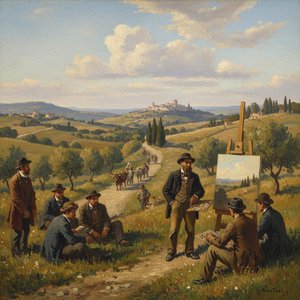
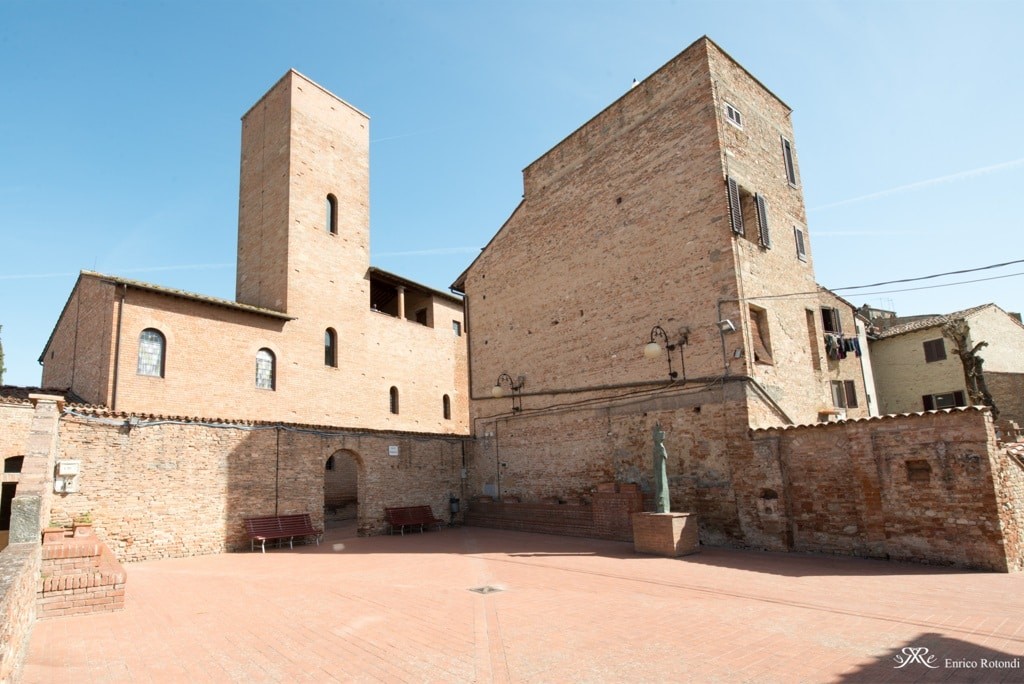
Perched within the medieval heights of Certaldo Alto, where the Tuscan sun casts long, golden shadows over ancient walls, lies a destination that transcends the boundaries of a mere museum. Boccaccio's House, Palazzo Pretorio e Casa Boccaccio, is an evocative journey into the very soul of 14th-century Italy. As one ascends via the charming funicular, leaving the lower bustle behind, the air itself seems to thicken with the weight of history and the echoes of a bygone era. The Palazzo Pretorio stands as a monumental testament to this transition, its architecture a masterful dialogue between medieval robustness and the refined elegance of the Renaissance. To walk through its gates is to step into a world where the stones themselves whisper tales of Giovanni Boccaccio, the legendary author of the Decameron, whose literary genius forever altered the landscape of European storytelling.The building's facade, adorned with intricate ceramic coats of arms, hints at the powerful families and shifting political tides that once governed this region, offering a visual prologue to the history contained within.
Where Art Meets the Intimacy of Daily Life
Inside these hallowed halls, the museum offers much more than a biographical tribute; it provides an immersive encounter with the textures of the past. The collection is a curated tapestry of human existence, ranging from grand historical narratives to the most delicate remnants of domesticity. One cannot help but be moved by the Poet’s Room, where a breathtaking fresco commissioned in 1826 by Pietro Benvenuti captures Boccaccio at his desk. This poignant piece of art serves as a window into the creative process, freezing a moment of profound intellectual labor within its painted frame.Yet, the museum's charm lies equally in its unexpected treasures, such as the remarkably preserved collection of medieval shoes. These artifacts serve as tangible, humble connections to the feet that once trod the streets of Certaldo, offering a rare glimpse into the craftsmanship and social hierarchies of the Middle Ages. For the discerning eye, these objects are not merely relics but symbols of a lived reality that continues to resonate through the centuries, bridging the gap between the monumental and the mundane.