

A Sanctuary of Ukrainian Soul and European Splendor
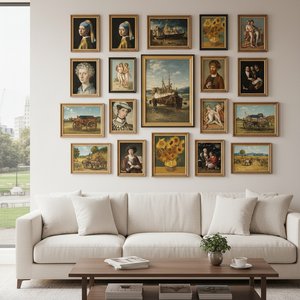
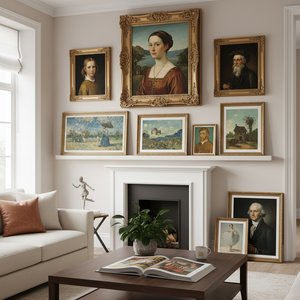
In the heart of Lviv, a city where the echoes of Baroque grandeur still resonate through cobblestone streets, stands the Borys Voznytsky Lviv National Art Gallery. This is not merely a repository for relics of the past, but a living, breathing chronicle of the Ukrainian spirit and its profound dialogue with the wider European continent. To step within its walls is to embark on a journey through time, where over 62,000 masterpieces converge to tell a story of resilience, cultural metamorphosis, and unyielding beauty. For the art lover, it offers a deep dive into the national identity; for the collector, it presents a masterclass in the evolution of aesthetic taste; and for the interior designer, it serves as an infinite wellspring of inspiration drawn from centuries of decorative excellence.
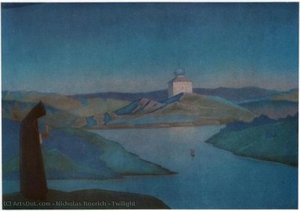
The gallery’s collection is a breathtaking tapestry that weaves together the local and the universal. At its very core lies a monumental tribute to Ukrainian painting and sculpture, capturing the shifting landscapes of the soul—from the melancholic, atmospheric vistas of Leonid Bakounin to the vigorous, emotive brushwork of the disciples of Ivan Kramskoi. Yet, the museum’s reach extends far beyond the borders of Ukraine. Visitors find themselves transported to the courts of the Polish Renaissance and the sun-drenched light of French Impressionism, creating a seamless transition between the regional and the global. The presence of German Romanticism, felt through sweeping landscapes and monumental forms, adds a layer of dramatic depth that speaks to the shared artistic language of Europe during the Belle Époque.
Architectural Grandeur and Historical Resilience
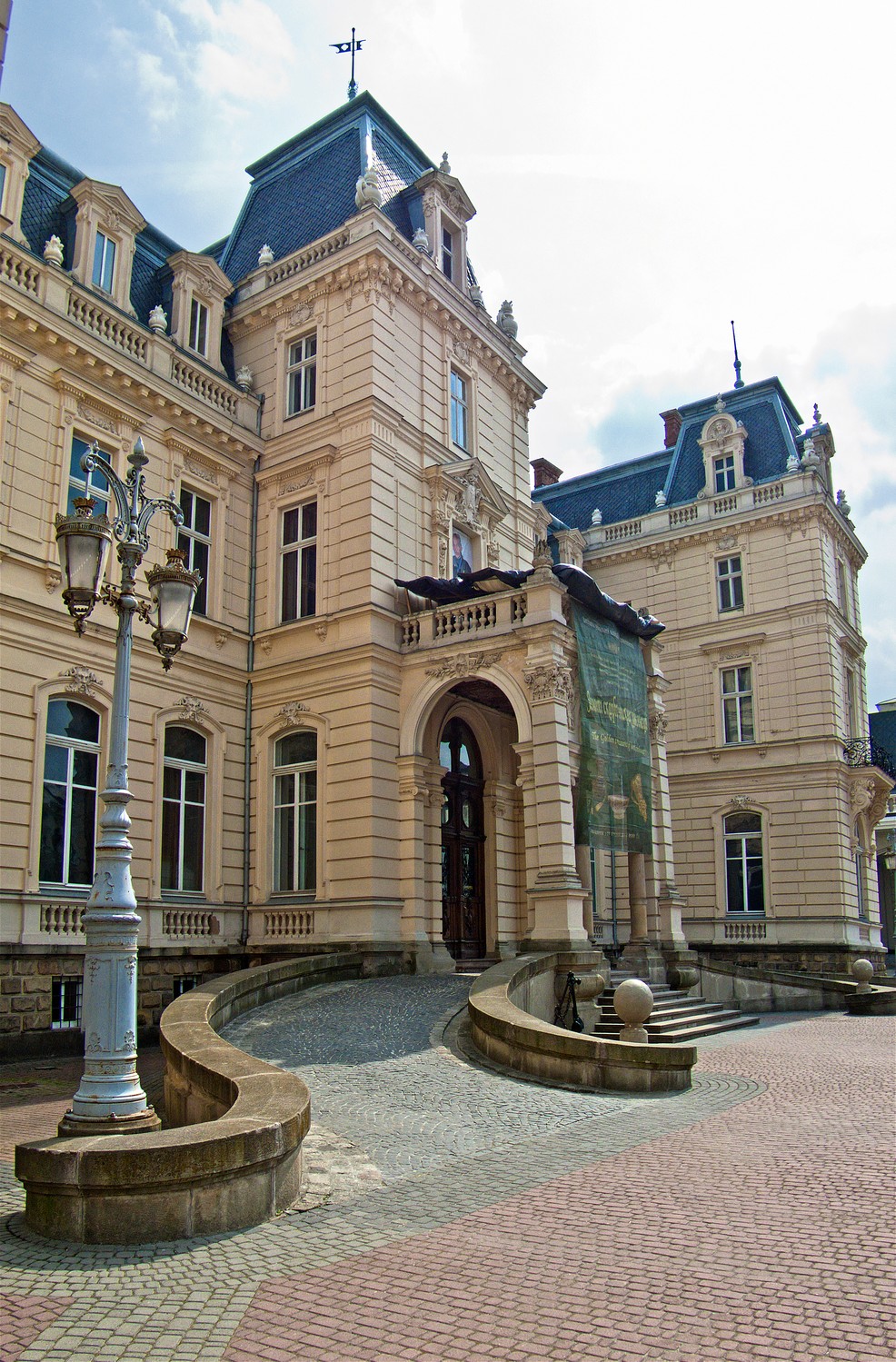
The physical experience of the gallery is as much a masterpiece as the canvases it protects. The institution is housed within two magnificent 19th-century landmarks: the Łoziński Palace and the Potocki Palace. Each structure offers a distinct sensory encounter with history. The Łoziński Palace, inaugurated in 1874, acts as a bridge between eras, where contemporary, avant-garde exhibitions breathe new life into its historic halls, symbolizing a commitment to the dialogue between tradition and modernity. In contrast, the meticulously restored Potocki Palace serves as a portal to the opulence of the Austro-Hungarian Empire, inviting guests to wander through spaces that evoke the aristocratic splendor of a bygone age.
The history of the gallery is one of profound endurance. Founded in 1897, it survived the tumultuous shadows of the Soviet period and the devastation of World War II—eras defined by political repression and the scarcity of resources. The museum’s modern renaissance is inextricably linked to the visionary leadership of Borys Voznytsky, whose tireless dedication from the 1960s through the 1990s transformed the institution into a beacon of scholarship and cultural expansion. Renamed in his honor in 2013, the gallery stands today as a testament to the fact that art can survive even the most turbulent political tides, emerging not just intact, but revitalized.
A Living Legacy for the Modern Eye
What truly distinguishes the Borys Voznytsky Lviv National Art Gallery is its refusal to remain static. While it honors the weight of history, it remains vibrantly relevant through a rotating program of exhibitions that explore everything from Surrealism to Conceptual Art. This adaptability ensures that the museum remains a vital destination for those seeking to understand the contemporary pulse of art. It is a place where the ancient and the experimental coexist, offering a rare opportunity to witness the continuity of human creativity.
For those who seek beauty in all its forms, a visit here is more than an aesthetic indulgence; it is a pilgrimage. Whether one is moved by the intricate details of a Renaissance portrait or the bold strokes of a modern installation, the gallery provides a profound sense of connection to the human experience. It remains a cornerstone of Ukrainian heritage, ensuring that the treasures of the past continue to illuminate the artistic horizons of the future.