

Quick Facts
- Art types: wallart
- Movements: baroque
- Alternate names:
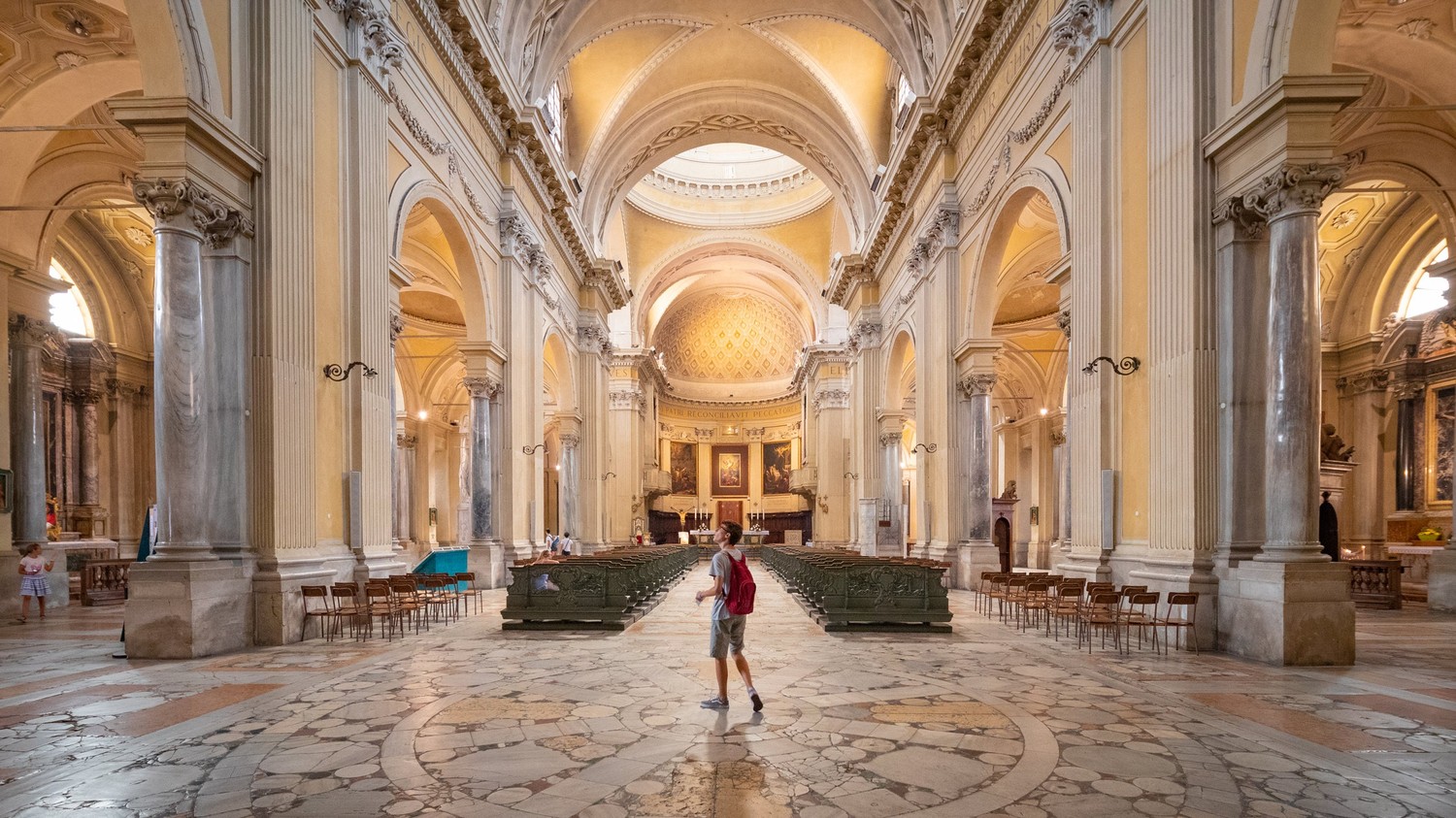
- Cathedral
- National Museum of Ravenna
- Ravenna National Museum
- National Museum Ravenna
- Works on APS: 1
- More…
- Location: Ravenna, Italy
- Featured artists: reni guido (le guide)
- Mediums: oil on canvas
Art Quiz
There is only one correct answer for each question.
Question 1:
What is the primary focus of the National Museum of Ravenna?
Question 2:
The museum’s location within the former Benedictine monastery contributes to its unique atmosphere by:
Question 3:
Which UNESCO World Heritage site is prominently featured in the museum’s mosaic collection?
Question 4:
The museum showcases a remarkable selection of ivory artifacts demonstrating:
Question 5:
What historical period is represented by the museum’s Roman archaeological finds?
Exhibited Artists
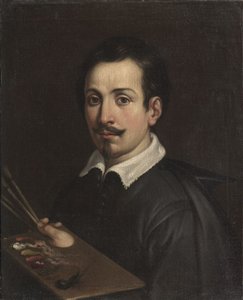
reni guido (le guide)
Discover Guido Reni (Le Guide), a master of Baroque painting! Explore his religious & mythological artworks, influential style, and legacy in Italy. Shop reproductions at ArtsDot.

Related Articles
Illuminating Eternity: A Comprehensive Exploration of Byzantine Art's Legacy
Explore the rich history & stunning artistry of the Byzantine Empire! Discover iconic mosaics, profound symbolism, and lasting influence on Western art. A comprehensive guide for history lovers.
Mario Sironi: A Poetic of Modern Italian Identity Through Symbolism & Social Commentary
Explore the profound works of Mario Sironi, a key figure in Italian Modernism. Discover his evolution from Futurism to Metaphysical painting and his powerful social commentary. Learn about his legacy at ArtsDot.
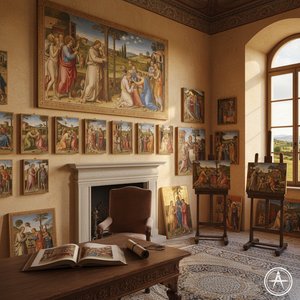
Giotto's Masterpieces: 25 Renaissance Artworks for Your Home | ArtsDot
Explore 25 breathtaking artworks by Giotto di Bondone, a Renaissance master. Discover the stories behind iconic frescoes & paintings like the Scrovegni Chapel cycle. Find museum-quality Giotto reproductions and elevate your home decor with ArtsDot.com.


Subscribe to Our Newsletter
Stay updated with the latest art news, exclusive offers, and decoration ideas.
Get 3 Free Art Suggestions
Tell us about your project and our art experts will provide you with 3 personalized art suggestions.
Not Sure Where to Start?
Let Us Curate 3 Options Just for You - Free!