



A Beacon of Asian Spirit: The Asia Culture Center
In the vibrant heart of Gwangju, South Korea, lies an architectural and cultural marvel that transcends the traditional boundaries of a museum. The Centro culturel et artistique de l’Asie (ACC) stands not merely as a repository for artifacts, but as a living, breathing testament to the enduring soul of the Asian continent. To step into this complex is to enter a space where the echoes of history harmonize with the whispers of future innovation. Gwangju itself, a city defined by its profound resilience and its pivotal role in the May 18 Democratization Movement, provides a poignant backdrop for an institution that seeks to illuminate the diverse artistic landscapes of Asia through a lens of peace, research, and creative exchange.
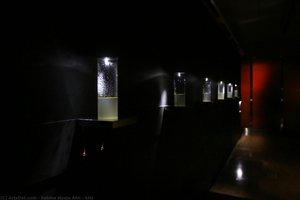
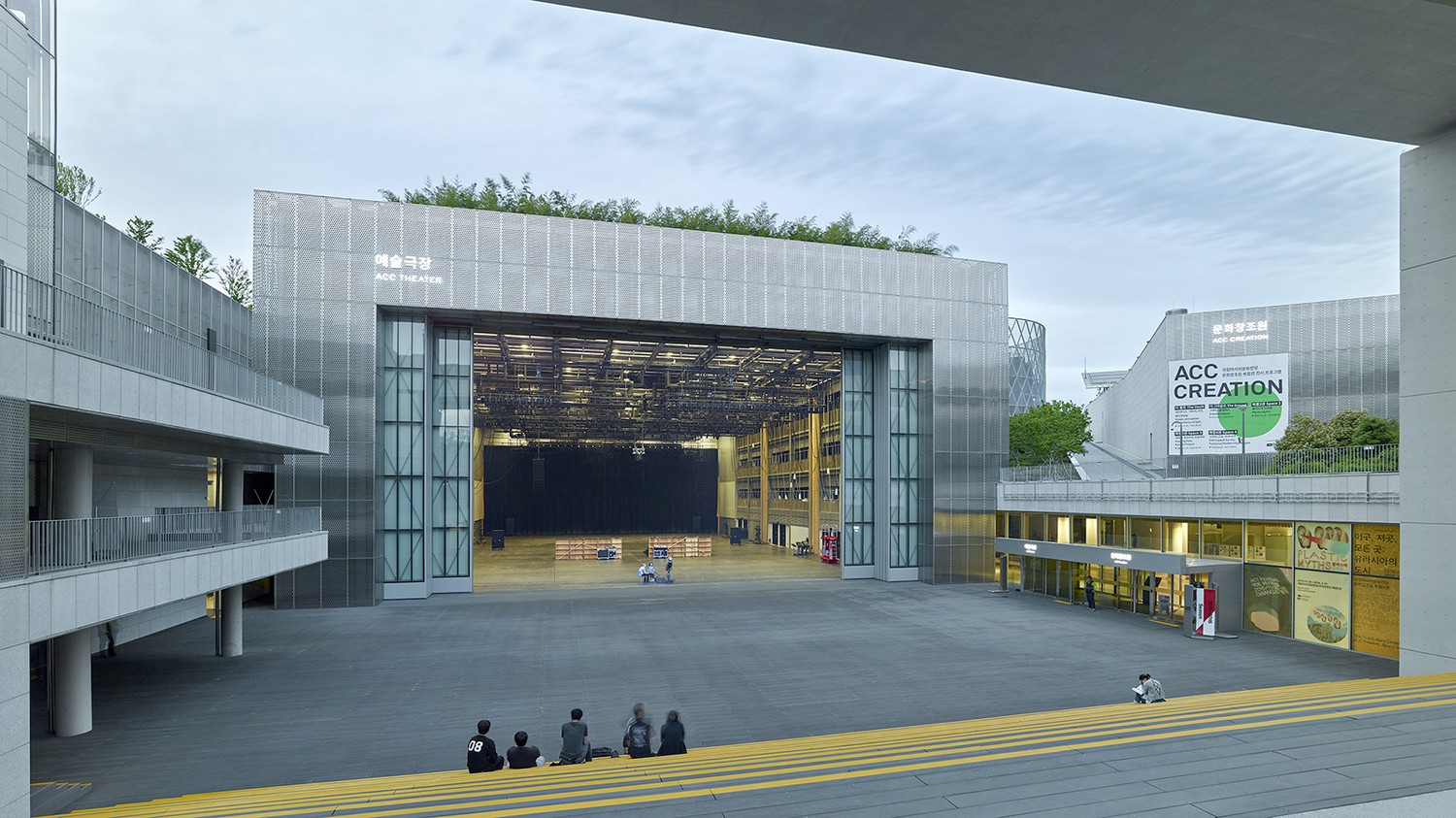
The architecture of the ACC is a masterclass in symbolic design, weaving together the threads of ancient Korean tradition with the bold strokes of modernism. The structure was conceived with a deep reverence for the principles of simplicity and harmony, ensuring that the built environment exists in a symbiotic relationship with its natural surroundings. There is a profound intentionality in its layout; the very ground upon which the galleries sit pays homage to the historical struggles and triumphs of the Korean people. As sunlight filters through expansive, thoughtfully placed apertures, it illuminates vast halls designed to evoke a sense of meditative calm. This seamless integration of light and space creates an atmosphere where the boundary between the viewer and the art begins to dissolve, making it an essential destination for those who seek inspiration in the quiet dialogue between structure and nature.
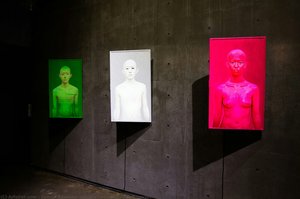
The collection housed within these walls is nothing short of a treasure trove, offering a sweeping narrative of Asian identity. Visitors are invited to wander through a curated journey that spans centuries, moving from the serene, spiritual presence of ancient Buddhist statuary to the provocative energy of contemporary installations. The ACC excels in presenting a multifaceted view of the region, showcasing exquisite masterpieces from Japan and China alongside groundbreaking works by Korean masters. This curation does more than display beauty; it fosters a deep understanding of how artistic techniques and philosophical ideologies have migrated and transformed across borders. For the discerning collector or interior designer, the museum offers a profound look at the textures, motifs, and spiritual depths that continue to influence global aesthetic trends.
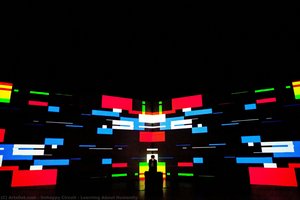
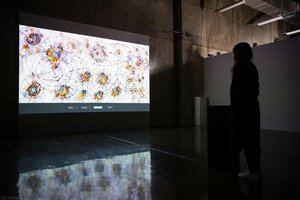
Beyond its permanent holdings, the ACC serves as a dynamic laboratory for the future of art. Through the dedicated efforts of the Asia Culture Research Institute, the center becomes a hub where scientific inquiry meets creative practice. The museum is renowned for its rotating exhibitions that challenge contemporary perspectives, often featuring collaborations between international artists and local innovators. These exhibitions frequently tackle pressing global themes, ensuring that the institution remains at the forefront of the cultural zeitgeist. It is this unique duality—the ability to honor the weight of historical tradition while fearlessly embracing the experimental—that makes the Asia Culture Center an unparalleled sanctuary for the curious mind and a cornerstone of the global art community.