


A Sanctuary of Healing: The Artistry of Chelsea and Westminster Hospital
In the bustling heart of London, where the clinical precision of modern medicine meets the profound necessity of human connection, lies an extraordinary intersection of science and soul. The Chelsea and Westminster Hospital is far more than a landmark of healthcare excellence; it is a living gallery, a testament to the belief that beauty possesses a restorative power as vital as any pharmaceutical intervention. Through its CW+ initiative, the hospital has curated an environment where the sterile edges of a medical facility are softened by the evocative presence of contemporary art, creating a sanctuary designed to stimulate the senses and foster mental clarity for patients, staff, and visitors alike.
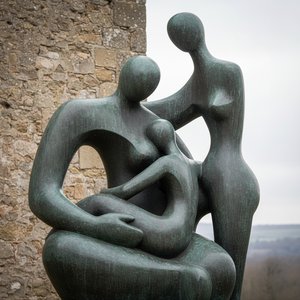
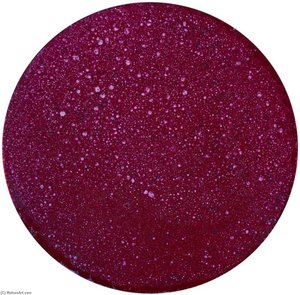
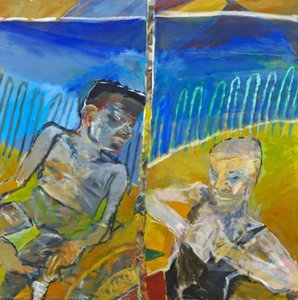
The collection itself is a masterfully considered tapestry of human expression, eschewing mere decoration in favor of deep emotional resonance. It features a diverse array of sculptures, paintings, and immersive installations that prioritize themes of resilience, compassion, and intellectual curiosity. One cannot wander through these halls without feeling the presence of artists like Henry Tonks, whose legacy bridges the gap between the surgical and the sublime. A British surgeon who pursued fine art with equal passion, Tonks’ evocative figure studies and intimate interiors mirror the hospital’s own mission: to find the essence of human experience within the most vulnerable of settings. This dialogue between the clinical and the creative is further enriched by rotating exhibitions that bring both established masters and emerging talents into the light of the hospital's atrium.
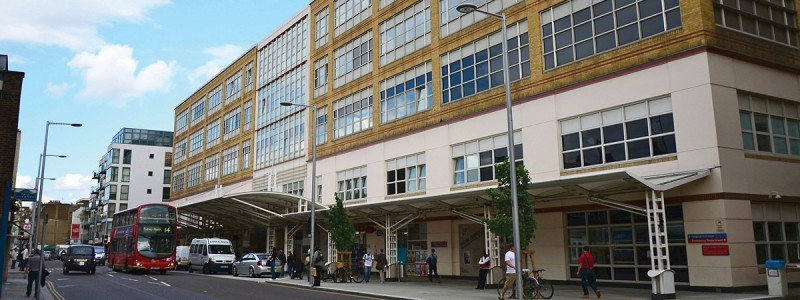
The architectural canvas provided by Sheppard Robson plays an indispensable role in this artistic narrative. The hospital’s design is a triumph of light and landscape, characterized by expansive atriums that are flooded with natural radiance and tranquil, landscaped courtyards that offer a breath of serenity amidst the intensity of medical care. These spaces are not merely functional corridors but are deliberate architectural elements designed to promote healing through environmental harmony. The way light dances across contemporary sculptures or illuminates a vibrant canvas creates a visual rhythm that complements the hospital’s core mission, ensuring that every corner of the facility serves as an opportunity for quiet contemplation and peace.
Rooted in a rich heritage that dates back to its origins as St George’s Union Infirmary in 1878, the institution has evolved into a global powerhouse of medical research and education through its affiliation with Imperial College London. This deep historical foundation provides a sense of continuity and strength, grounding its cutting-edge innovations in a legacy of service. For art lovers, collectors, and interior designers, Chelsea and Westminster Hospital offers a unique case study in how curated aesthetics can transform a functional space into an emotional landscape. It stands as a profound reminder that when we surround ourselves with art, we do not just decorate our surroundings; we nourish our very capacity to heal.