
A Tapestry of Time: The Soul of Játiva’s Convent Museum
To step within the walls of the Convent Museum in Játiva is to surrender to a profound chronological odyssey, where the boundaries between the prehistoric past and the artistic heights of the Renaissance blur into a single, seamless narrative. Nestled within the majestic architectural embrace of a Gothic cathedral complex, this sanctuary of culture serves as a silent witness to the enduring spirit of the Valencian Community. The museum does not merely display objects; it breathes life into the layers of Iberia’s history, guiding the visitor from the primal echoes of the Palaeolithic era through the sophisticated elegance of the Islamic period and into the dramatic splendor of the Spanish Baroque.
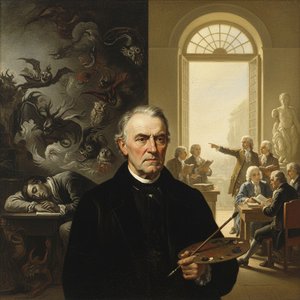
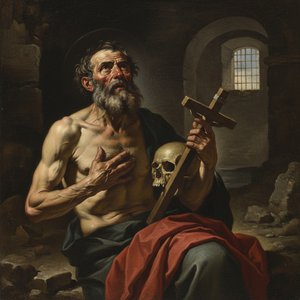
The collection is a masterclass in contrast and emotional depth, offering treasures that resonate with both archaeological significance and aesthetic brilliance. For the lover of fine art, the museum provides an intimate encounter with the shadows and light of the masters. The presence of works by José Ribera offers a breathtaking display of chiaroscuro, where dramatic compositions pull the viewer into a world of intense realism and spiritual weight. This dialogue between light and darkness is complemented by the regal dignity of a portrait of Felipe V, a window into the Bourbon dynasty’s influence on Spanish identity. Furthermore, the museum preserves the poignant, evocative power of Francisco Goya through his masterful engravings, which capture the raw social commentary and Romantic fervor that defined an era of profound transformation.
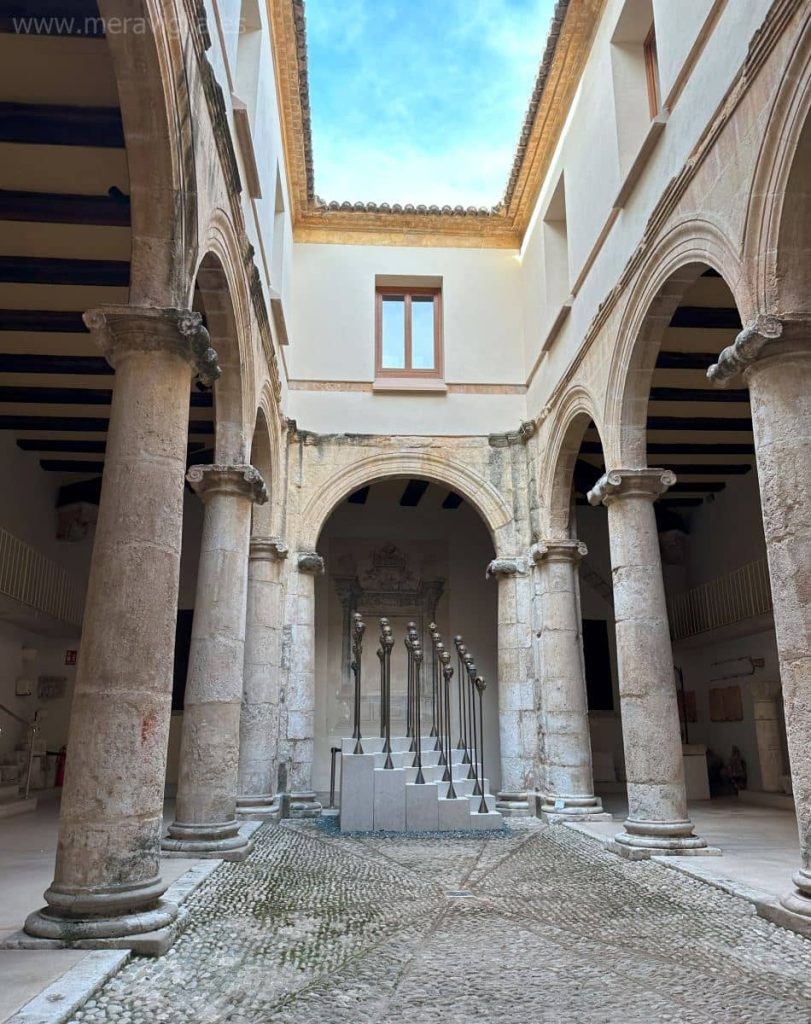
Beyond its canvases and prints, the very bones of the museum tell a story of architectural evolution and human ingenuity. Originally established as a Benedictine monastery, the structure itself is a monumental work of art, where the soaring heights of Gothic grandeur meet the tranquil, balanced proportions of Renaissance courtyards. These spaces offer more than just a backdrop; they provide a contemplative atmosphere essential for appreciating the museum's unique artifacts. One cannot help but be moved by the 11th-century water trough, an ancient feat of engineering that stands as a tangible link to the resourcefulness of Játiva’s ancestors, grounding the high art of the collection in the practical realities of medieval life.
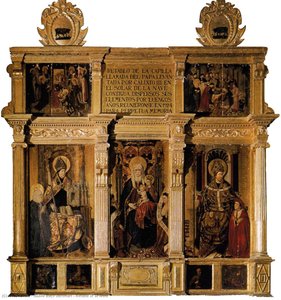
For collectors and designers seeking inspiration, the Convent Museum represents the ultimate intersection of heritage and beauty. It is a place where the rugged textures of prehistoric stone meet the refined brushstrokes of the Baroque, creating a sensory experience that transcends simple observation. Through its rotating exhibitions—which have historically illuminated everything from Roman-era Iberian art to themes of religious faith and social evolution—the museum remains a living, breathing entity. It is not merely a repository for the past, but a vibrant destination where history, architecture, and art converge to inspire a deeper understanding of the human journey.