
A Sanctuary Above Rome’s Heartbeat
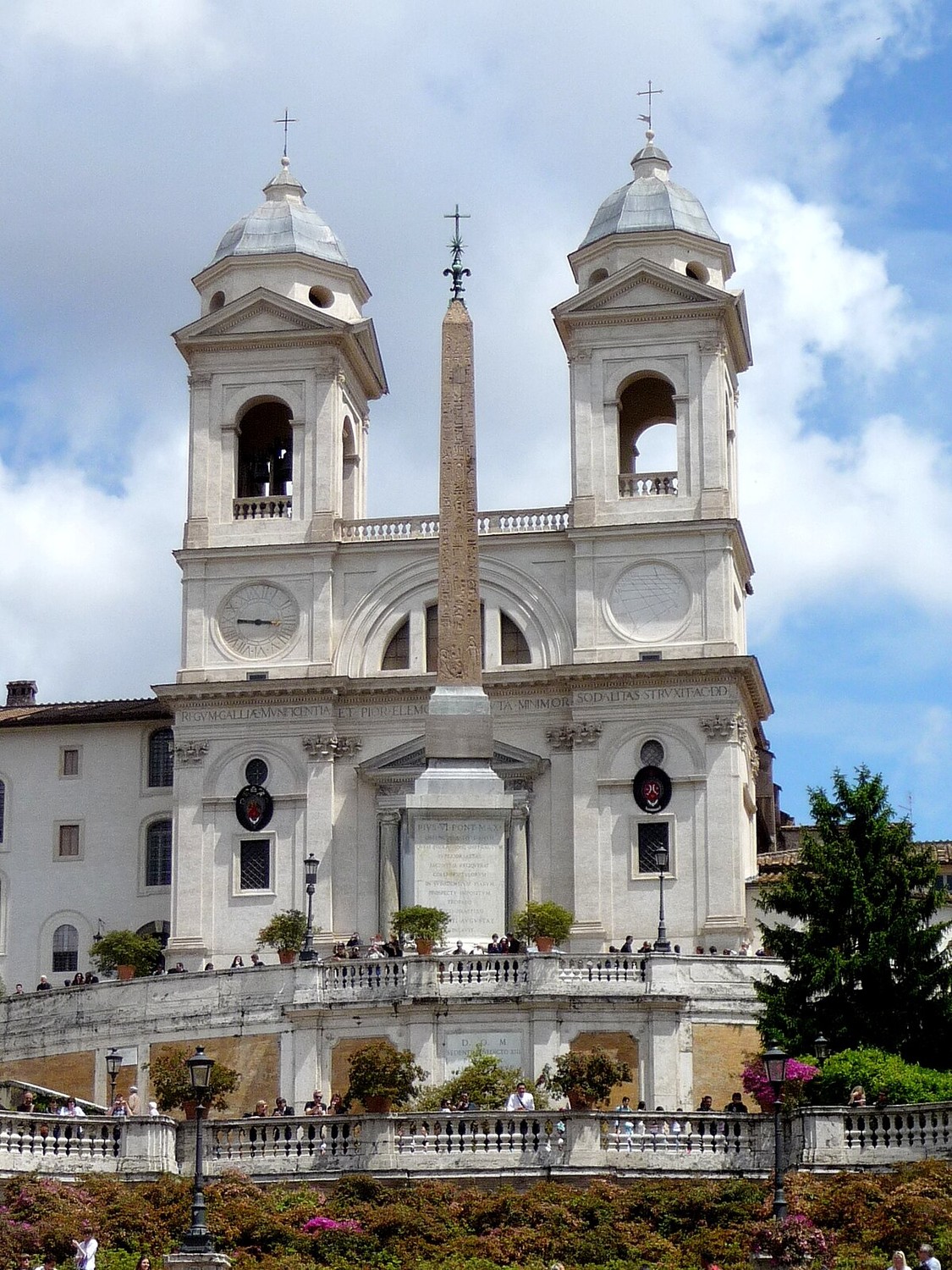
Nestled discreetly above the bustling Spanish Steps, the Convento di Minimi a Trinità De' Monti stands as an unexpectedly profound testament to Renaissance faith and artistic ambition. More than just a historic building, it is a living space where spiritual tradition is interwoven with breathtaking visual artistry, offering visitors a rare glimpse into a Rome seen through the eyes of pilgrims and masters alike. To enter this sanctuary is to step back in time, leaving the frantic energy of the Piazza di Spagna behind for a realm of quiet contemplation and architectural grandeur.
The convent’s genesis lies in the prestigious patronage of Louis XII of France, who commissioned its construction in 1537 as a symbol of diplomatic goodwill. Designed by the skilled Giovanni Battista Cortese, the complex embodies the sophistication of the High Renaissance, showcasing intricate facades that reflect Florentine architectural ideals. The structure itself is a captivating study in detail; the famous facade, with its two symmetrical bell towers, was later shaped by the hands of Giacomo Della Porta and Domenico Fontana. This architectural marvel even features a charmingly dualistic touch: of the two clocks on the facade, one displays Rome time while the other tracks Paris, a subtle nod to the enduring French influence that has shaped this site for centuries.
Renaissance Splendor and Artistic Mastery
While not boasting an expansive collection in the conventional museum sense, the interior walls of the convent are graced by masterpieces that illuminate the artistic spirit of the era. The space is a treasure trove for those who appreciate the delicate interplay of light and pigment. Particularly noteworthy is a monumental altarpiece depicting Saint Francis of Assisi and Saint Dominic—a poignant, large-scale work that serves as a reminder of the Franciscan Order's dedication to poverty and devotion. These sacred images do not merely decorate; they anchor the spiritual atmosphere of the church.
The artistry extends beyond the altarpieces into the very fabric of the walls themselves. The church is home to exquisite frescoes, painstakingly executed by legendary artists such as Claude Lorrain and Jean Baptiste Camille Corot. These canvases capture the serene beauty of the surrounding gardens, specifically the nearby Villa Medici, offering panoramic vistas of Rome that seem to dissolve the boundaries between the interior sanctuary and the natural world. For the art lover or interior designer, these works represent a masterclass in the meticulous layering of pigments and brushstrokes, embodying a timeless elegance that continues to inspire contemporary aesthetic sensibilities.
A Living Legacy of Faith and Beauty
What distinguishes Convento di Minimi from a standard gallery is its seamless fusion of artistic heritage with contemporary spirituality. Today, the site serves as a vibrant home for the Emmanuel Community, ensuring that the convent remains a functional, breathing space rather than a static monument. This living connection to the past allows visitors to experience the building not just as an architectural relic, but as a place where art continues to serve its highest purpose: to enrich and inspire the human soul. Whether one is drawn by the scientific wonders hidden within its walls—such as the intriguing anamorphic paintings—or the profound peace of its gardens, the convent remains an unforgettable destination for anyone seeking beauty both tangible and spiritual.