
A Sanctuary of Baroque Splendor: St John's Co-Cathedral, Valletta
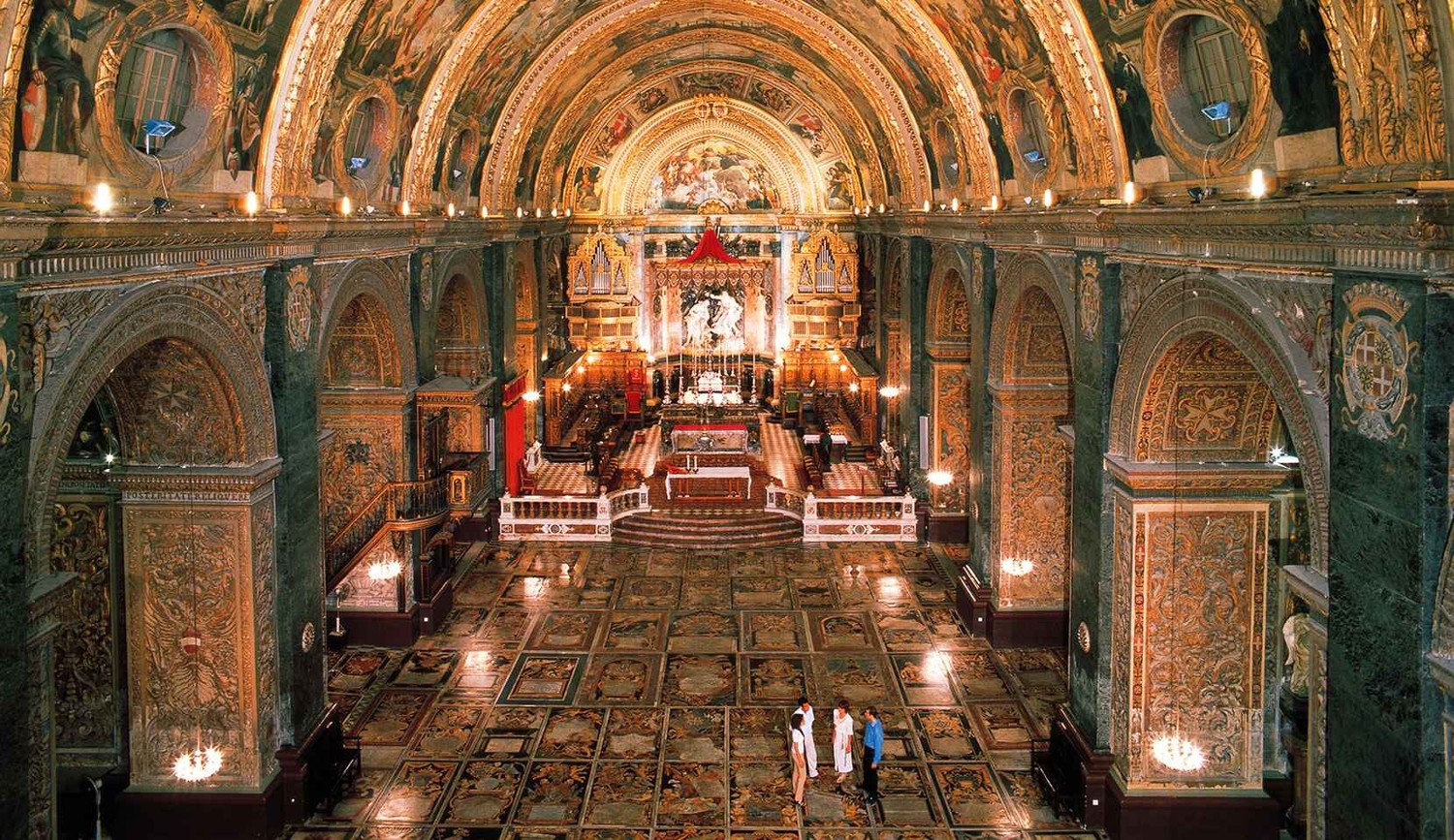
St John’s Co-Cathedral in Valletta, Malta, is not merely a church; it’s an overwhelming testament to faith, power, and artistic ambition. Commissioned in 1572 by Grand Master Jean de la Cassière of the Knights Hospitaller following their victory in the Great Siege of 1565, the cathedral began as a conventual church for these warrior-monks. Designed by the gifted Maltese architect Girolamo Cassar – who also shaped much of Valletta’s urban landscape – its exterior presents a remarkably restrained façade, hinting little at the breathtaking opulence contained within. This deliberate contrast serves to heighten the dramatic impact upon entry, transporting visitors into a world of gilded grandeur and profound spiritual resonance.
From Austerity to Exuberance: A Transformation in Stone
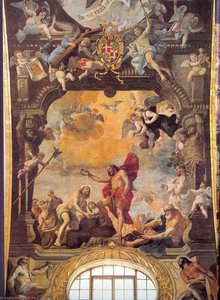
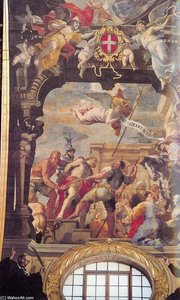
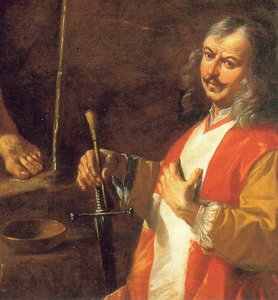
For nearly a century after its completion in 1578, St John’s maintained a relatively modest interior. However, under the direction of Grand Master Raphael Cotoner in the 1660s, a radical transformation began. The church underwent an astonishing redecoration spearheaded by the Calabrian artist Mattia Preti, who effectively remade the space in the High Baroque style. Preti’s vision was one of lavish ornamentation, employing rich colors, dramatic lighting, and intricate detailing to create an immersive experience designed to inspire awe and devotion. This wasn't simply decoration; it was a calculated display of power and piety, intended to rival the great churches of Rome. The floors themselves are a masterpiece – a vibrant mosaic of marble tombstones, each commemorating a Knight with elaborate coats of arms and symbolic imagery. Walking these stones is akin to traversing a history book, a poignant reminder of the individuals who dedicated their lives to the Order.
Caravaggio’s Masterpiece: A Beacon of Artistic Genius
Undoubtedly the cathedral's most celebrated treasure is Michelangelo Merisi da Caravaggio’s “The Beheading of Saint John the Baptist” , painted in 1608. This is not only one of Caravaggio’s final works but also his sole signed painting, making it an exceptionally rare and significant piece. The canvas depicts a brutal yet intensely human scene, rendered with the artist's signature *tenebrism* – a dramatic use of light and shadow that heightens the emotional impact. The raw realism and psychological depth of the work are startling even today, offering a powerful meditation on sacrifice and faith. It’s a painting that demands contemplation, drawing viewers into the harrowing moment with unsettling immediacy.
Beyond Caravaggio: A Repository of Artistic Riches
While Caravaggio's masterpiece rightly draws much attention, St John’s Co-Cathedral is replete with other artistic wonders. Mattia Preti’s extensive contributions include a series of stunning ceiling paintings depicting scenes from the life of Saint John the Baptist, executed with remarkable skill and dynamism. The cathedral also houses an impressive collection of Flemish tapestries, liturgical vestments crafted from precious materials, and exquisitely hand-painted choral books – each object reflecting the wealth, artistry, and devotion of the Knights Hospitaller. The adjacent museum further expands on this legacy, offering a deeper exploration of the Order’s history and cultural heritage.
A Unique Legacy: Echoes of History in Every Corner
St John's Co-Cathedral stands as a unique fusion of architectural styles – a Mannerist exterior giving way to an overwhelmingly Baroque interior. Its story is interwoven with the rise and fall of the Knights Hospitaller, their unwavering faith, and their commitment to artistic patronage. Designated a UNESCO World Heritage Site in 1980, it continues to captivate visitors with its sheer beauty and historical significance. More than just a religious building, St John’s Co-Cathedral is a living testament to Malta's rich past, offering an unforgettable experience for art lovers, collectors, and anyone seeking a glimpse into a world of Baroque splendor.