
A Sanctuary of Flemish Splendor: The Soul of Burgos
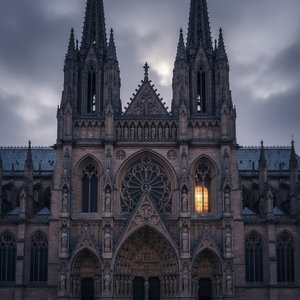
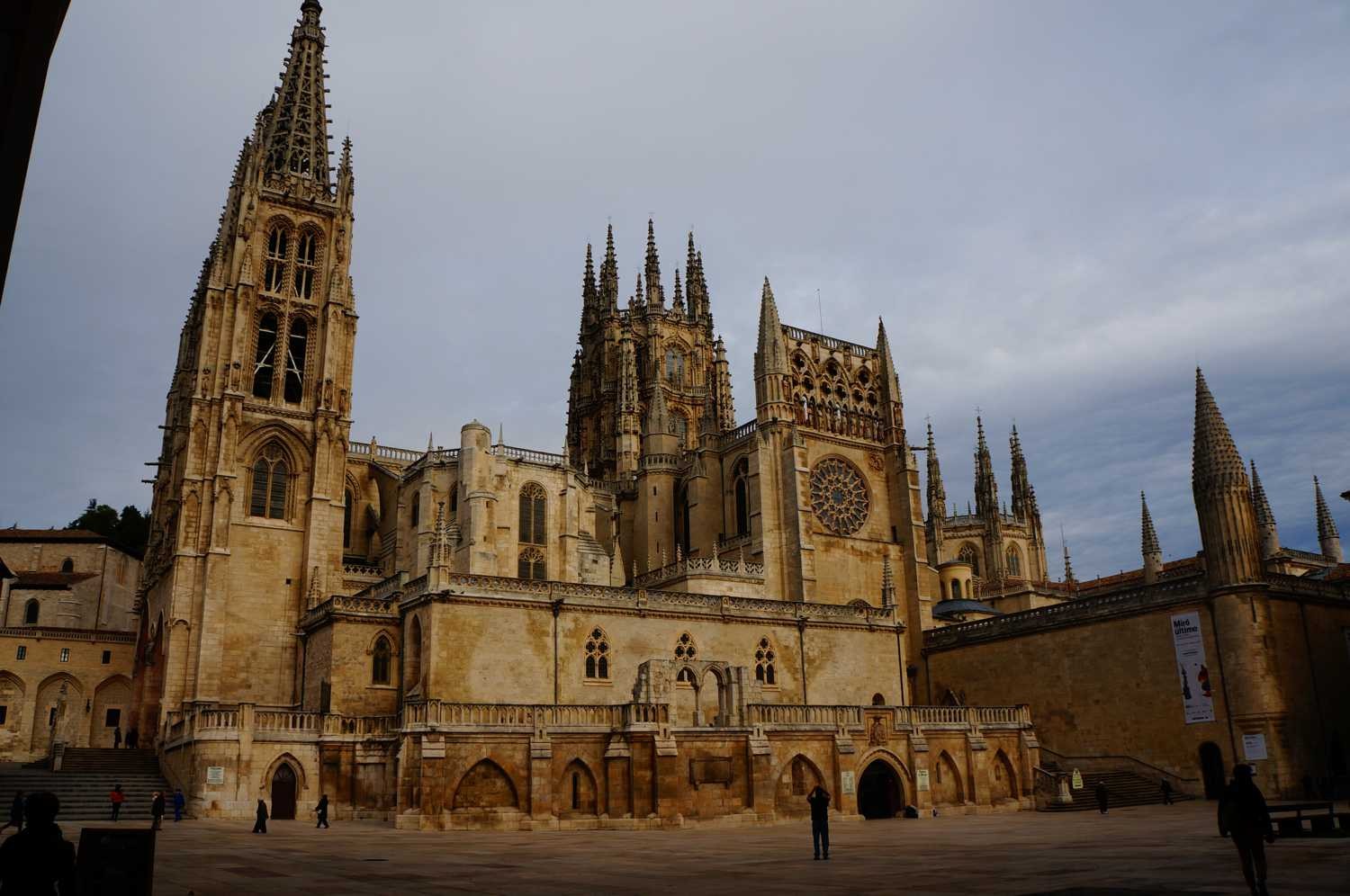
Nestled within the hallowed, soaring shadows of the UNESCO World Heritage site of Burgos Cathedral, the Diocesan Museum of the Cathedral serves as a profound testament to centuries of devotion and artistic patronage. To enter this museum is to step beyond the threshold of the modern world and into a sanctuary where the spiritual and the material converge in breathtaking harmony. The museum does not merely house objects; it preserves an immersive experience that transports the visitor back through time, allowing them to witness the slow, majestic evolution of sacred art and craftsmanship within one of Spain's most revered Gothic masterpieces. It is a place where the heavy weight of history meets the delicate precision of Northern European mastery, creating an atmosphere that resonates with both awe and intimacy.
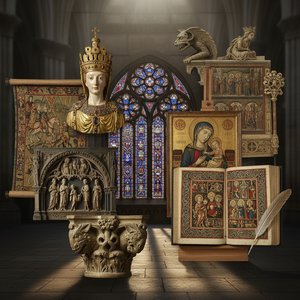
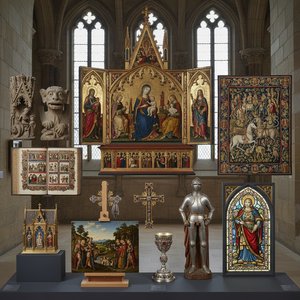
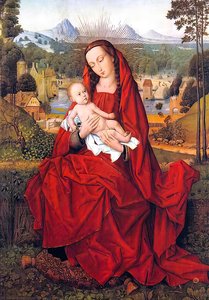
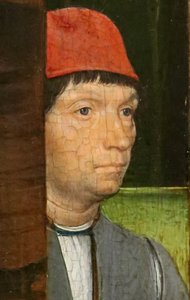
The collection itself is a luminous tapestry of religious narrative, where every piece tells a story of faith and technical brilliance. At the heart of this treasury lie the exquisite Flemish panels, works that seem to glow with an inner light even in the dimmest cathedral alcove. These masterpieces, crafted by legendary hands such as Hans Memling , showcase a level of detail and luminosity that defines the Flemish Renaissance. For the discerning collector or art lover, these paintings offer a window into a world where every brushstroke serves to elevate the divine. One can lose themselves in the intricate textures of velvet, the translucent quality of skin, and the symbolic depth of every botanical element, such as those found in the hauntingly beautiful Virgin and Child . Alongside these paintings, the museum offers a deep dive into the medieval mind through its remarkable collection of illuminated codices—ancient manuscripts where vibrant pigments and intricate calligraphy transform sacred text into visual poetry.
The architectural setting of the museum is as much a part of the art as the pieces it protects. Occupying former monastic halls and chapter houses within the cathedral complex, the museum utilizes its historic bones to enhance the visitor's journey. There is a seamless continuity between the grand Gothic arches of the cathedral and the intimate spaces where liturgical treasures—golden chalices, ornate candlesticks, and delicate altar cloths—are displayed. This strategic placement allows for a profound dialogue between the monumental architecture of the cathedral and the fine-scale artistry of its collection, creating an atmosphere of architectural majesty that feels both imposing and deeply personal. For interior designers seeking inspiration in the timeless, the interplay of light, shadow, and sacred geometry within these halls provides an inexhaustible source of creative thought.
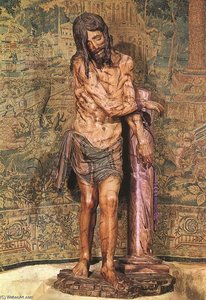
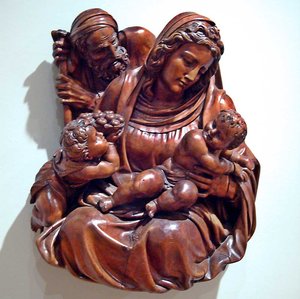
What truly distinguishes the Diocesan Museum of Burgos is its unparalleled role as a living chronicle of faith and a site of intellectual pilgrimage. Beyond its permanent treasures, the museum has long been a stage for significant exhibitions that explore the nuances of Gothic sculpture and the influential role of Burgundian patronage. It remains a destination where the historical significance of Spanish piety meets the universal language of artistic innovation. Whether one is drawn by the allure of rare medieval manuscripts or the breathtaking precision of Renaissance oil painting, the museum offers more than just a viewing; it offers an encounter with the tangible embodiment of excellence, leaving an indelible mark on all who wander through its sacred halls.