

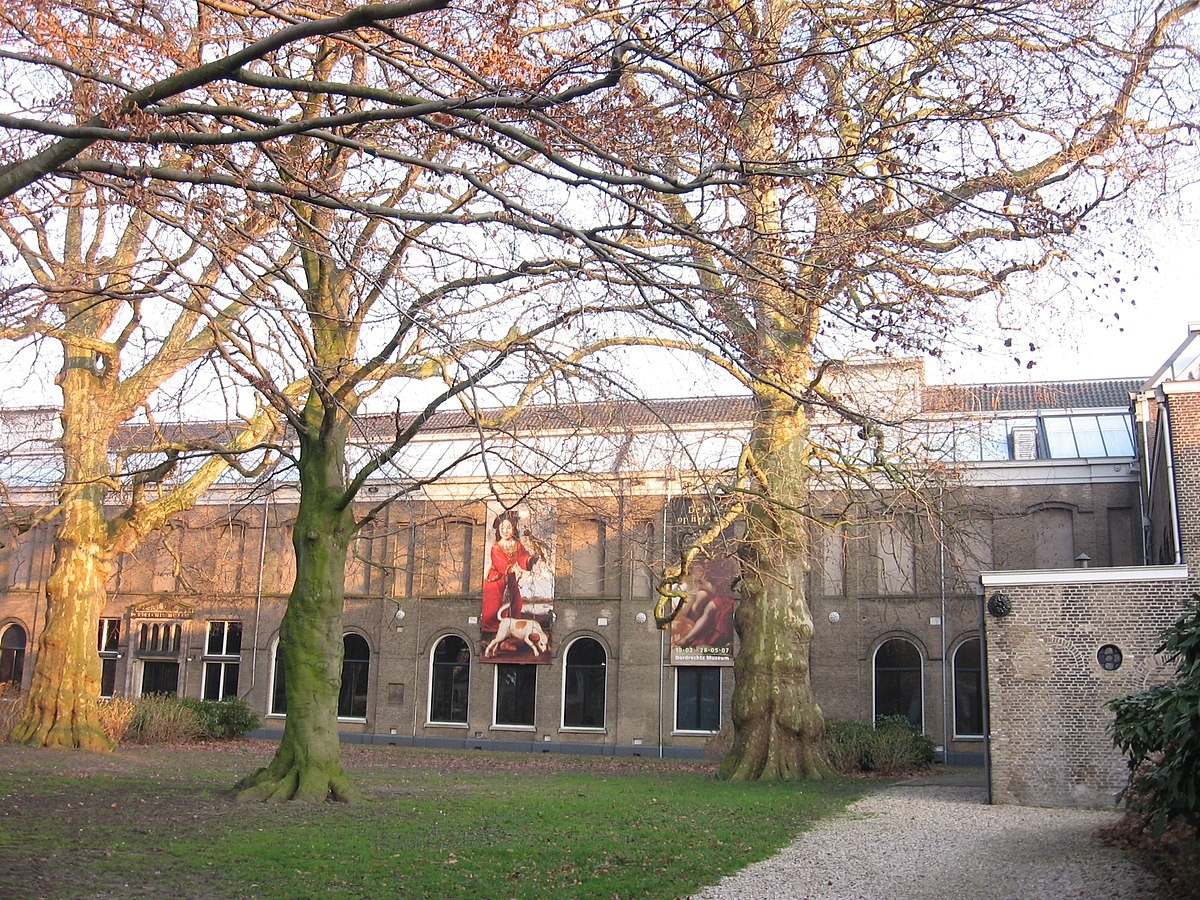
Table of Contents
Quick Facts
- Movements:
- baroque
- classical
- neoclassicism
- romanticism
- Alternate names:
- Dordrechts Museum
- Dordt
- Rijksmuseum Dordrecht
- CODART
- Art types: wallart
- Works on APS: 12
- More…
- Historical periods: early modern
- Location: Dordrecht, Netherlands
- Mediums: oil on canvas
- Featured artists:
- lourens alma tadema
- Samuel Dirksz van Hoogstraten
- Nicolaes Maes
- pierre jules cavelier
- Christiaen van Couwenbergh
Art Quiz
There is only one correct answer for each question.
Question 1:
What is the Dordrechts Museum primarily known for showcasing?
Question 2:
Which architect significantly contributed to the museum's design, incorporating both classical and modern elements?
Question 3:
Jacob Cuyp is particularly celebrated for his artistic contributions to the museum's collection due to his mastery in:
Question 4:
The museum’s original purpose was as:
Question 5:
What makes the Dordrechts Museum stand out from other museums in terms of its collection?
Exhibited Artists
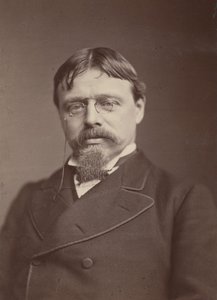
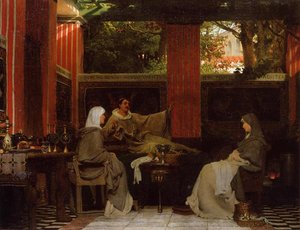
lourens alma tadema
Discover Sir Lawrence Alma-Tadema (1836–1912), the Dutch Victorian painter famed for opulent Roman interiors & meticulous classical detail—a master of light & atmosphere! Explore his legacy.

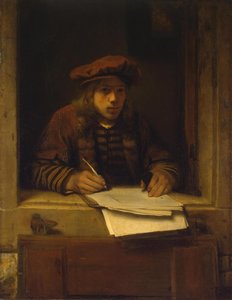
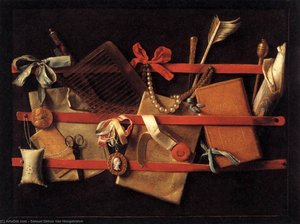
Samuel Dirksz van Hoogstraten
Samuel van Hoogstraten (1627-1678): Dutch Golden Age painter influenced by Rembrandt, known for tromp-l'oeil, perspective boxes & his art treatise.
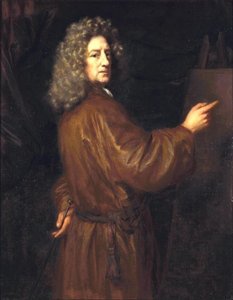
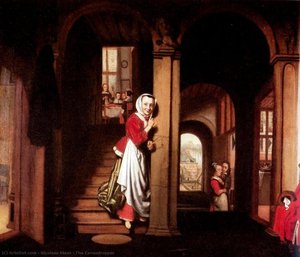
Nicolaes Maes
Discover Nicolaes Maes (1634-1693), a Dutch Golden Age painter celebrated for intimate genre scenes & masterful portraits influenced by Rembrandt. Explore daily life through his captivating art.
Related Articles

Rembrandt's Masterpieces: Explore 25 Iconic Paintings & Prints | ArtsDot
Journey through Rembrandt van Rijn's 25 most iconic paintings & etchings. Explore Dutch Golden Age masterpieces, dramatic chiaroscuro, and timeless portraits. Find museum-quality art reproductions to elevate your home decor on ArtsDot.com.
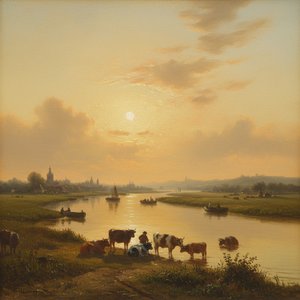
Aelbert Cuyp: Illuminating the Dutch Golden Age with Light & Landscape
Explore the luminous landscapes of Aelbert Cuyp, a master of the Dutch Golden Age. Discover his unique light, serene riverside scenes & lasting influence on art history. Learn more at ArtsDot.

Dutch Baroque Masters: 10 Paintings That Shaped an Era | ArtsDot
Journey through the Golden Age with our guide to the Top 10 Dutch Baroque masterpieces! Explore iconic paintings by Rembrandt, Vermeer & Frans Hals. Find museum-quality art reproductions and elevate your home decor at ArtsDot.com.
List of Artworks


Subscribe to Our Newsletter
Stay updated with the latest art news, exclusive offers, and decoration ideas.
Get 3 Free Art Suggestions
Tell us about your project and our art experts will provide you with 3 personalized art suggestions.
Not Sure Where to Start?
Let Us Curate 3 Options Just for You - Free!