

A Sanctuary of Italian Futurism in London’s Islington
Nestled within the elegant Georgian surroundings of Canonbury Square in Islington, London, lies a remarkable institution: The Estorick Collection of Modern Italian Art. More than just a gallery, it represents a passionate vision brought to life – the culmination of Eric and Salome Estorick's unwavering dedication to a revolutionary art movement often overlooked in British collections. Founded after World War II, this unique space stands as the UK’s sole museum devoted entirely to modern Italian art, offering an intimate encounter with a period of intense creativity and societal upheaval.
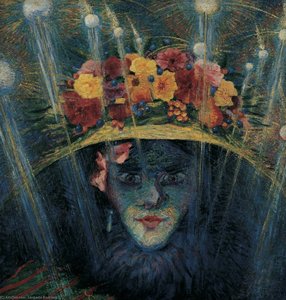
The story begins with Eric Estorick, an American sociologist whose post-war travels ignited a fervent interest in Italian Futurism. A chance discovery – Umberto Boccioni’s 1914 treatise *Futurist Painting and Sculpture* – proved pivotal. This led to a transformative trip to Milan where the couple forged a relationship with Mario Sironi, acquiring a substantial portion of his studio's contents—hundreds of drawings that formed the bedrock of their burgeoning collection. Between 1953 and 1958, they tirelessly assembled works by Giacomo Balla, Carlo Carrà, Gino Severini, Luigi Russolo, Ardengo Soffici, Giorgio de Chirico, Amedeo Modigliani, Giorgio Morandi, and Marino Marini, effectively capturing the essence of Italian artistic innovation during a critical era. Their commitment was unwavering; they resisted numerous offers from both Italian government entities and American museums eager to acquire their holdings, determined to establish a permanent home for this extraordinary body of work.
From Private Passion to Public Treasure
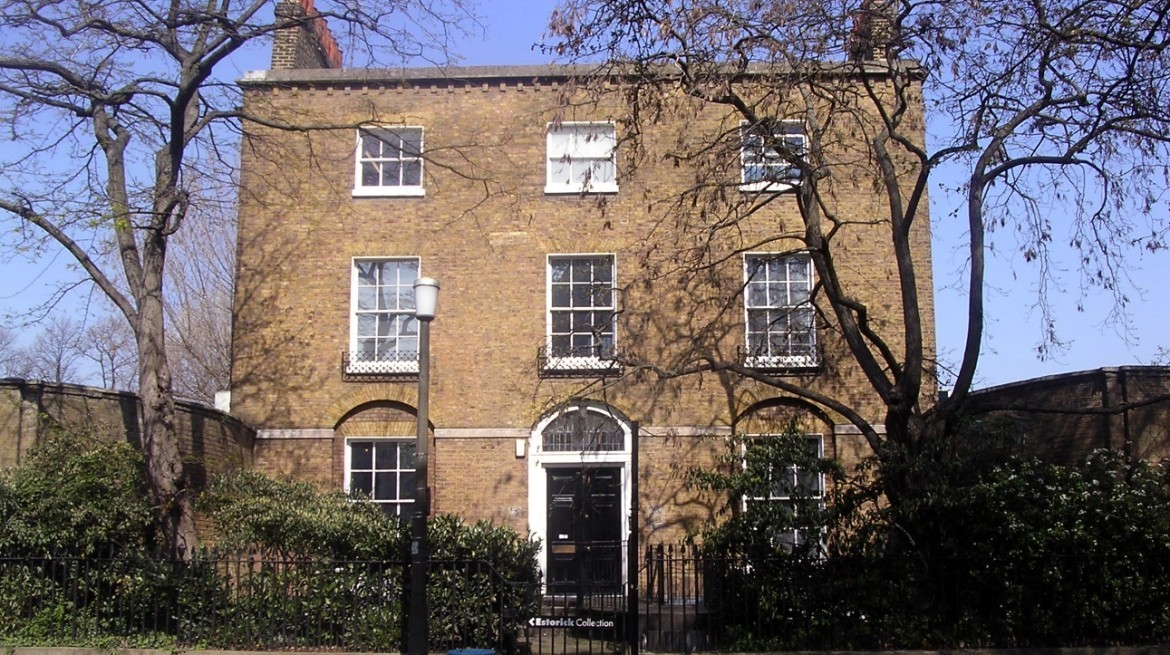
For years, the collection circulated through temporary exhibitions – notably a significant showing at the Tate Gallery in 1956 – and enjoyed long-term loan status there until 1975. However, Eric Estorick’s foresight ensured its lasting legacy. In 1998, he established the Eric and Salome Estorick Foundation, donating his entire Italian art collection to secure its future. This led to the museum's relocation to Northampton Lodge, a beautifully converted Grade II-listed Georgian house previously occupied by Sir Basil Spence, the renowned British architect. The building itself provides a compelling counterpoint to the dynamic energy of the artworks within; the refined classical architecture offering a serene backdrop for the bold and often chaotic expressions of Futurism.
The Core of the Collection: A Celebration of Speed and Change
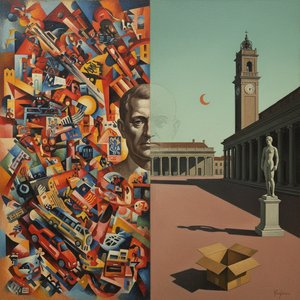
At its heart, the Estorick Collection is defined by its Futurist works. This movement, born in the early 20th century, was a radical rejection of traditional artistic values, embracing technology, speed, dynamism, and the energy of modern life. Visitors can trace the evolution of Futurism through paintings that depict fragmented forms, overlapping planes, and a sense of relentless motion. Boccioni’s exploration of simultaneity, Carrà's early abstract compositions, and Severini’s vibrant depictions of urban landscapes all contribute to a powerful narrative of artistic experimentation. Beyond Futurism, the collection also showcases significant examples of figurative art and sculpture from 1890 to the 1950s, providing a broader context for understanding the Italian avant-garde. The works of de Chirico with their unsettling metaphysical spaces, Modigliani’s haunting portraits, and Morandi's quietly contemplative still lifes offer compelling diversions and enrich the overall experience.
A Living Space for Modern Art
What truly distinguishes the Estorick Collection is its intimate scale and atmosphere. Unlike sprawling national museums, it feels more akin to a private salon – a space where one can connect with the artworks on a personal level. The museum actively fosters this connection through a program of temporary exhibitions that often explore thematic resonances between Italian art and contemporary practice. It’s a place not only for viewing masterpieces but also for engaging in dialogue, discovering new perspectives, and appreciating the enduring power of artistic vision. For collectors seeking inspiration, interior designers looking to infuse spaces with bold character, or simply art enthusiasts eager to delve into a fascinating chapter of modern history, The Estorick Collection offers an unforgettable experience.