
A Sanctuary of Silk and Stone: Discovering the Freer Gallery of Art
Nestled on the National Mall in Washington, D.C., the Freer Gallery of Art stands as a testament to one man’s discerning eye and a lifelong dedication to beauty. More than just a museum, it is an immersive experience—a journey through millennia of artistic expression spanning continents, from the delicate brushstrokes of ancient Chinese landscapes to the bold harmonies of American Impressionism. Founded through the extraordinary vision of Charles Lang Freer, a self-made railroad magnate turned passionate collector, the gallery opened its doors in 1923 as the Smithsonian’s inaugural art museum. Freer didn't simply amass objects; he curated an atmosphere, a holistic aesthetic where each piece resonated with others, creating dialogues across cultures and time periods. This commitment to harmonious presentation remains at the heart of the Freer’s identity today.
The Peacock Room: A Jewel in the Crown
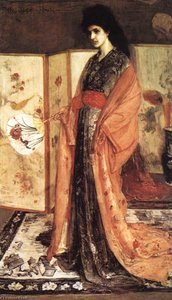
Perhaps no single work embodies the spirit of the Freer quite like James McNeill Whistler's The Peacock Room . Originally commissioned as a dining room for a wealthy London patron, this breathtaking space transcends mere interior decoration; it is a total work of art. Bathed in a mesmerizing palette of blues and golds, adorned with peacock feathers rendered in exquisite detail, the room evokes a sense of opulent tranquility. Whistler’s intention was not simply to create a beautiful space but to orchestrate an experience—a symphony of color, pattern, and light designed to stimulate the senses and elevate the spirit. The story behind its creation is as captivating as the room itself, marked by artistic disputes and ultimately culminating in Freer's acquisition of both the artwork and its components, transporting it across the Atlantic to become a centerpiece of his burgeoning collection.
Echoes of Asia: A Tapestry of Cultures
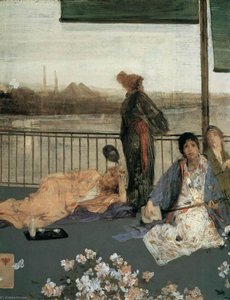
While celebrated for its American art—particularly Whistler’s oeuvre—the Freer Gallery is fundamentally defined by its profound commitment to Asian artistic traditions. The collections encompass an astonishing breadth, from ancient Egyptian sculptures and Near Eastern ceramics that whisper tales of forgotten empires, to the refined elegance of Chinese paintings and porcelain. One can lose themselves in the intricate details of Korean celadon pottery, marvel at the dynamic compositions of Japanese folding screens, or contemplate the spiritual depth of Islamic manuscripts illuminated with breathtaking artistry. The museum’s holdings are not merely a display of objects; they represent a deep engagement with the philosophies, beliefs, and daily lives of cultures across Asia. This dedication is further supported by the gallery's remarkable research library—the largest in the United States dedicated to Asian art—making it an invaluable resource for scholars and enthusiasts alike.
Architecture as Art: A Renaissance Revival
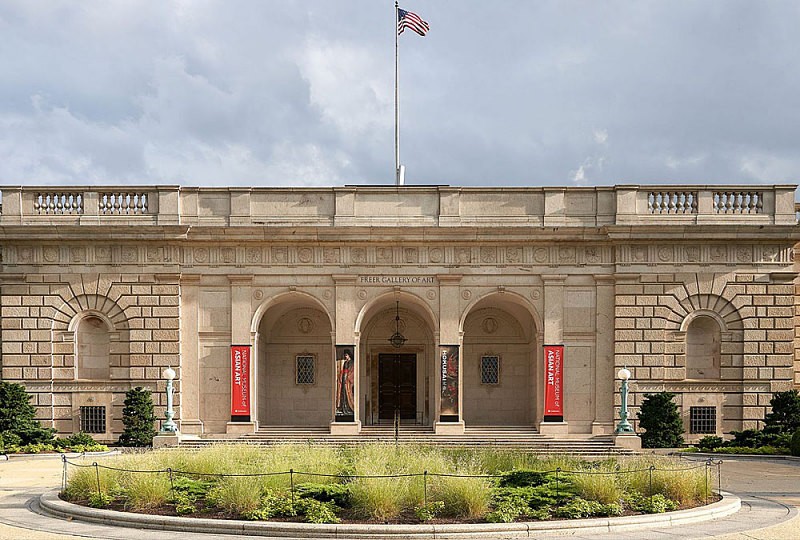
The building itself, designed by Charles A. Platt, contributes significantly to the Freer’s unique atmosphere. Inspired by Italian Renaissance palazzos, its exterior is constructed from a harmonious blend of pink granite and Tennessee marble, exuding an air of timeless elegance. Stepping inside, visitors are greeted by Indiana limestone walls and polished marble floors that create a serene and inviting space for contemplation. Platt understood that the architecture should not compete with the art but rather serve as a complementary backdrop—a neutral canvas upon which the masterpieces could shine. The thoughtful design extends to the galleries themselves, carefully lit and arranged to enhance the viewing experience and foster a sense of intimacy with the artworks.
A Living Legacy: Accessibility and Innovation
The Freer Gallery of Art is not simply a repository of the past; it is a dynamic institution committed to engaging contemporary audiences. As part of the Smithsonian’s National Museum of Asian Art, alongside its sister gallery, the Arthur M. Sackler Gallery, it offers free admission, guided tours, and a vibrant calendar of lectures, exhibitions, and cultural events. Furthermore, recognizing the importance of accessibility in the digital age, over 11,000 objects from its collection are fully searchable online, bringing the treasures of the Freer to art lovers around the globe. The museum continues to evolve, embracing new technologies and innovative approaches to interpretation while remaining true to Charles Lang Freer’s original vision—a sanctuary where art can inspire, educate, and connect us all.