

A Prussian Jewel of Light: The Soul of Sanssouci
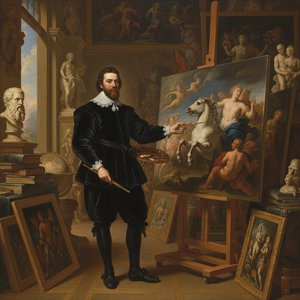
Nesting within the idyllic landscape of the Sanssouci Park in Potsdam—a sanctuary recognized as a UNESCO World Heritage site—lies a profound treasure of European art: the Sanssouci Picture Gallery. Far more than a mere repository for masterpieces, this elegant structure embodies the enlightened spirit of Frederick the Great, King of Prussia, and stands as Europe's oldest gallery specifically constructed by a sovereign for private collection. Designed not as a grand public exhibition hall but as an intimate sanctuary for royal contemplation and scholarly pursuit, the gallery offers a rare window into the aesthetic sensibilities and intellectual passions of one of history's most fascinating monarchs. To step inside is to leave the modern world behind and enter a space where the boundaries between nature, architecture, and art dissolve into a singular, harmonious experience.
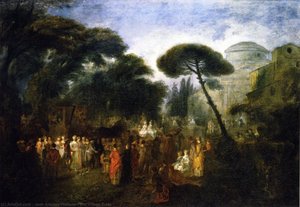
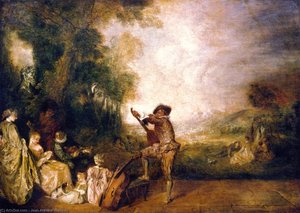
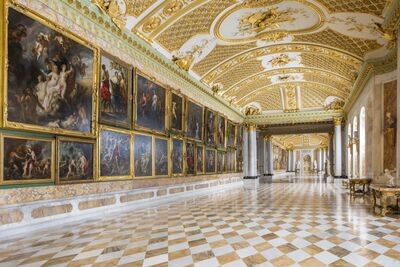
The vision of Frederick the Great extended far beyond simple acquisition; he sought to curate a collection that mirrored his own evolving artistic tastes. Initially captivated by the Rococo charm of masters such as Antoine Watteau , his interests gradually shifted toward the historical narratives and dramatic intensity found in the Renaissance, Mannerism, and Baroque traditions. This discerning eye allowed him to amass an extraordinary ensemble of works from Italy, Flanders, and the Netherlands, transforming what was once a former orangery into a haven of artistic splendor. The very architecture of the gallery reflects this refined sensibility: a long, single-story building painted in a warm, inviting yellow, crowned by a central dome that bathes the interior in a soft, ethereal light. Beneath the gaze of these masterpieces, the floor—an exquisite arrangement of white and yellow Italian marble in a diamond pattern—provides a breathtaking foundation for the riches above, creating an atmosphere that is both regal and profoundly intimate.
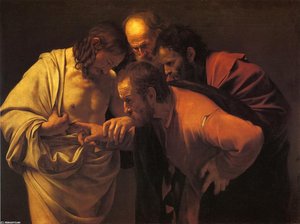
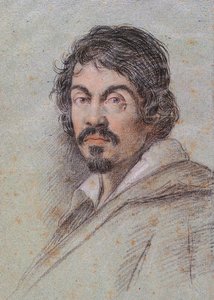
Among the gallery's most profound highlights is Caravaggio’s The Incredulity of Saint Thomas , an intensely moving work where the masterfully executed chiaroscuro—the dramatic interplay of light and shadow—illustrates a revolutionary approach to religious iconography. This raw emotional power is complemented by the vibrant Baroque compositions of Peter Paul Rubens and his workshop, including dynamic depictions of the Four Evangelists and Saint Jerome that radiate energy through rich, saturated colors. The presence of Anthony van Dyck further enriches the Flemish representation, showcasing the refined portraiture and elegant style that defined an era. These are not merely paintings hung upon a wall; they are portals into a world of religious fervor, mythological grandeur, and the profound depths of human drama, making the gallery a pilgrimage site for those who seek to understand the visceral power of the Baroque.
The history of the Sanssouci Picture Gallery is a narrative of both meticulous preservation and remarkable resilience. While Frederick carefully built his collection throughout his reign, subsequent decades brought shifting artistic preferences and periods of dispersal, with some treasures eventually finding their home in the Altes Museum in Berlin. The tumultuous events of the Second World War posed a grave threat to this heritage, necessitating the evacuation of the entire collection for safety. Despite the losses endured during this era, much of the collection was successfully recovered, ensuring that future generations could continue to discover the splendor of Frederick’s artistic legacy. Today, the gallery stands not only as a monument to eighteenth-century royal patronage but as a symbol of cultural endurance, offering an intimate and scholarly atmosphere that invites every visitor to experience the power of art to inspire, educate, and elevate the human soul.