


A Palatial Journey Through Eight Centuries of Umbrian Art
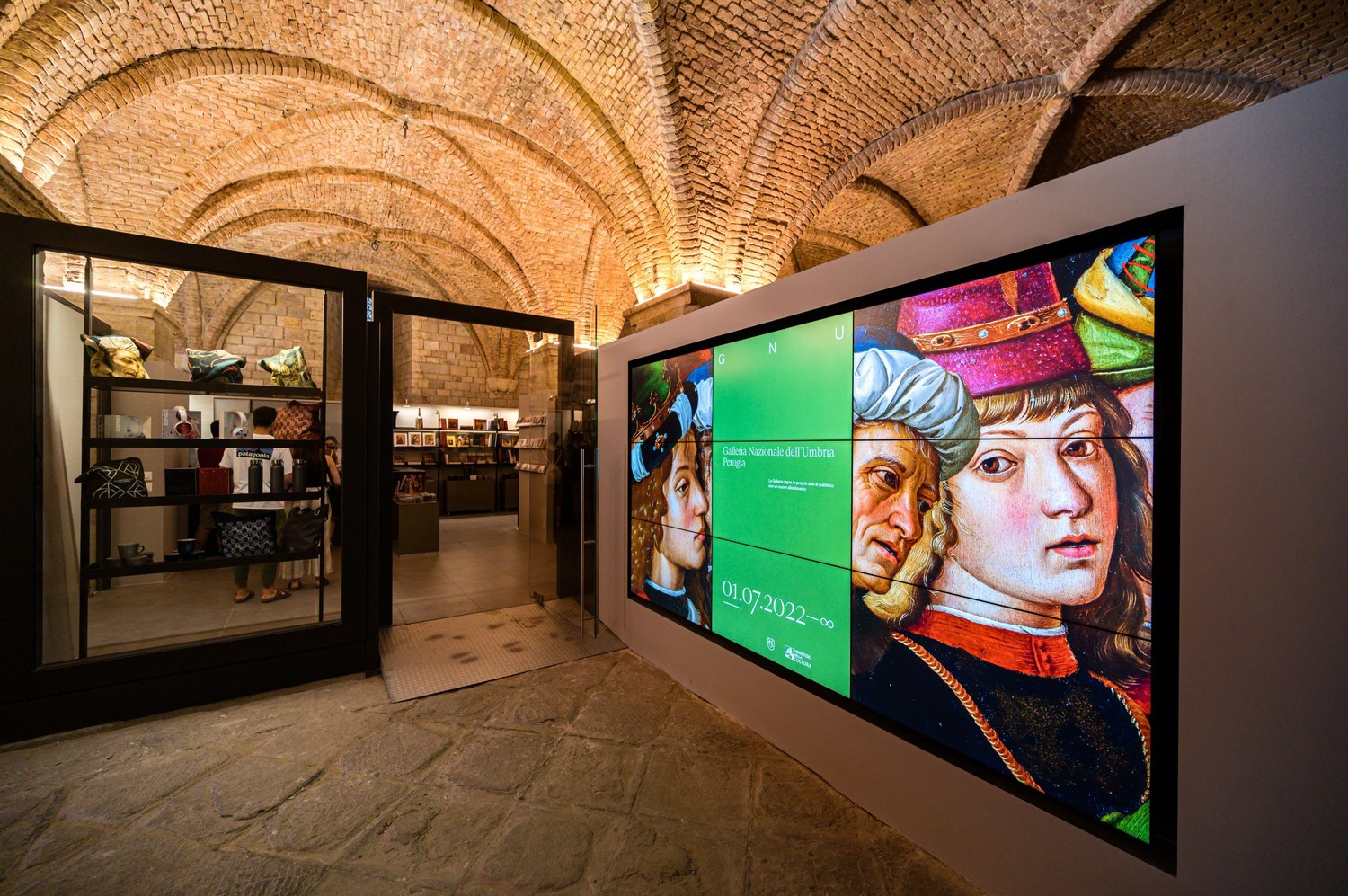
Nestled within the historic heart of Perugia, in the magnificent Palazzo dei Priori, lies the Galleria Nazionale dell'Umbria—a repository not merely of art, but of centuries woven into canvas and sculpted from stone. More than just a museum, it is an immersive experience where the very walls whisper tales of medieval guilds, Renaissance patrons, and profound artistic innovation. The gallery offers a sweeping panorama of Italian artistry spanning eight hundred years, with a particularly luminous focus on the Umbrian School of painting, a tradition that flourished in this fertile region and gifted the world masters like Piero della Francesca and Perugino. To step inside is to enter a Renaissance dreamscape where the boundaries between the viewer and history dissolve into a singular, breathtaking encounter.
The museum’s soul is deeply intertwined with its architectural setting. The Palazzo dei Priori itself is integral to the experience; as one of Italy’s most significant public palaces, its imposing Gothic architecture provides a dramatic counterpoint to the delicate beauty contained within. Dating back to the 13th century, this monumental structure stands as a testament to Perugia's enduring civic pride and serves as a powerful reminder that this collection was not born in isolation but evolved alongside the city itself. The museum’s origins trace back to the mid-16th century with the founding of the Accademia del Disegno, an institution dedicated to nurturing artistic talent. Over time, through careful acquisitions and generous bequests, the academy's holdings blossomed into the national treasure we see today.
Masters of Light, Form, and Devotion
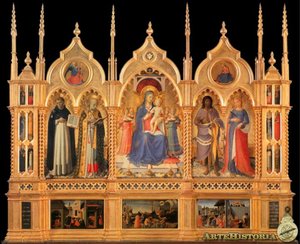
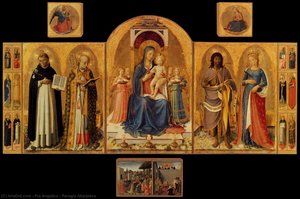
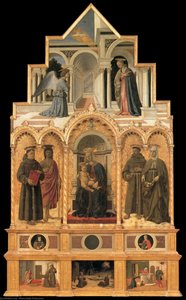
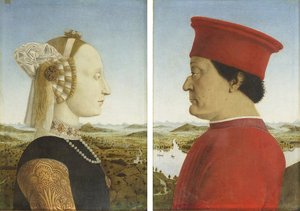
Stepping into the exhibition rooms, one encounters a collection that defines the very essence of the Italian Renaissance. The first floor unveils masterpieces that radiate divine light, such as the ethereal works of Beato Angelico, whose frescoes seem to transcend the physical plane. Alongside him, the narrative richness of Benozzo Gozzoli brings scenes to life with vibrant detail and lively storytelling. However, it is perhaps the presence of Piero della Francesca that truly captivates the modern observer. His compositions, characterized by a profound sense of order, mathematical precision, and an almost otherworldly stillness, represent the pinnacle of Renaissance achievement. The Umbrian masters—including Benedetto Bonfigli, Bartolomeo Caporali, and the opulent Pintoricchio—further enrich this landscape, showcasing a unique regional heritage that balances spiritual depth with technical mastery.
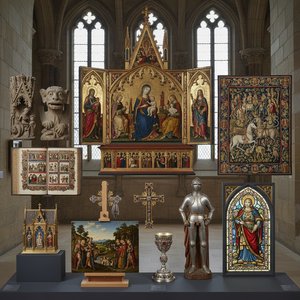
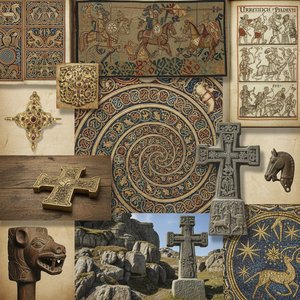
Beyond the grand canvases, the gallery offers glimpses into the exquisite craftsmanship of past eras through its "Treasure" collection. This assembly presents a dazzling array of 13th to 15th-century jewelry and ivory artifacts, which reveal the refined tastes and meticulous skill of medieval artisans. These delicate objects, paired with sculptural fragments by artists like Agostino di Duccio, demonstrate the museum’s commitment to showcasing the full breadth of artistic expression throughout Umbrian history. For the collector or designer, these pieces serve as profound inspirations of texture, detail, and precious materiality.
A Living Legacy for the Modern Eye
The Galleria Nazionale dell’Umbria is far from a static monument to the past; it is a dynamic cultural institution that continues to evolve. Following extensive renovations, the museum now boasts over 40 exhibition rooms spanning 4000 square meters, providing an expansive stage for both its permanent collection and an engaging program of temporary exhibitions. These rotating displays ensure that each visit offers fresh perspectives, with recent themes exploring everything from the nuances of Umbrian landscapes to the complex influence of Mannerism on Renaissance painting. This dedication to fostering intellectual curiosity ensures that the museum remains a vital dialogue between the past and the present.
For interior designers seeking aesthetic inspiration or art lovers searching for a deeper connection to the Italian spirit, the gallery offers an unparalleled sensory journey. It is a place where one can lose themselves in the brushstrokes of a master, contemplate the intricacies of medieval goldwork, and feel a tangible connection to the pulse of history. Whether you are drawn by the mathematical serenity of a Piero della Francesca or the opulent decorations of the Umbrian School, the Galleria Nazionale dell’Umbria promises an unforgettable encounter with the sublime.